Lebanon reported an Israeli strike damaged a hospital in the country's south on Thursday, an incident that further escalated cross-border hostilities. Israeli aircraft launched two strikes on the town of Tibnin near the public hospital, according to the state-run National News Agency (NNA). The NNA stated the military operation "launched two strikes on the town of Tibnin near the public hospital, where significant damage was recorded." This report from Lebanon noted the direct impact of the ongoing conflict on civilian infrastructure and healthcare facilities in the region.
Lebanon's health ministry circulated a video showing the damage to the hospital in Tibnin, which included shattered glass and blown-out ceiling panels. The visual evidence corroborated initial reports from the ground. Significant damage was recorded at the hospital, as confirmed by Lebanese authorities, showing the severity of the attack and its potential consequences for local healthcare services. The strike on the Tibnin hospital adds to a growing list of medical facilities affected by the persistent conflict.
Escalation in Southern Lebanon
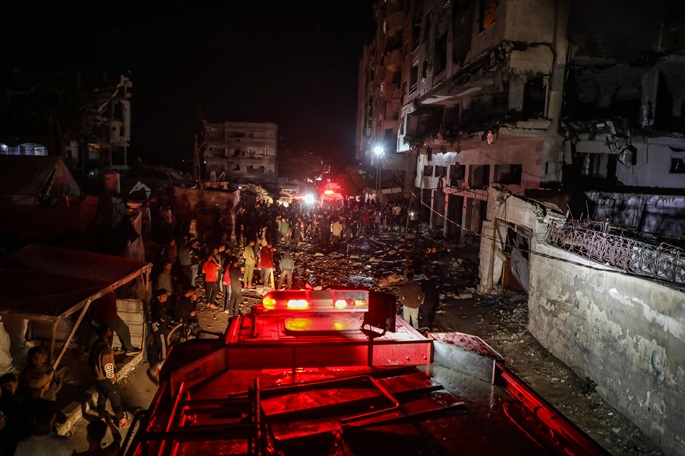
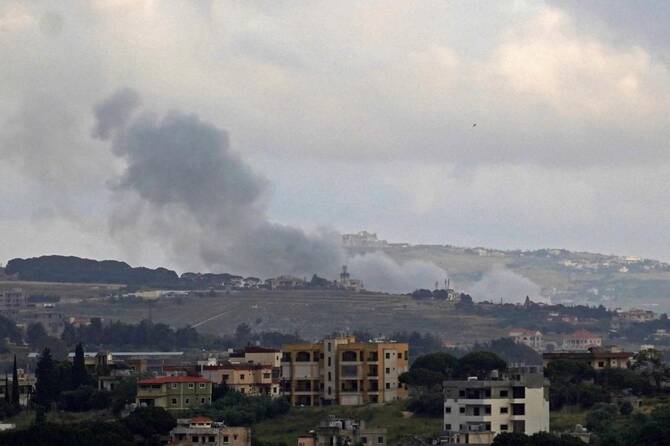
The reported incident in Tibnin occurred amidst a broader pattern of military activity and escalating tensions in southern Lebanon. Israeli airstrikes were reported on other south Lebanon locations on Thursday, contributing to this heightened state of conflict. Following these operations, smoke was observed rising after a raid on the village of Hanniyeh, indicating further military engagement in the area. These actions illustrate the continued intensity of operations along the border.
In response to Israeli military actions, Hezbollah claimed responsibility for a series of attacks, including the use of rockets and drones, targeting Israeli troops in south Lebanon. These actions by Hezbollah indicate a continued engagement across the border, signaling a tit-for-tat escalation. The group's use of various munitions notes its capacity to respond to Israeli operations.
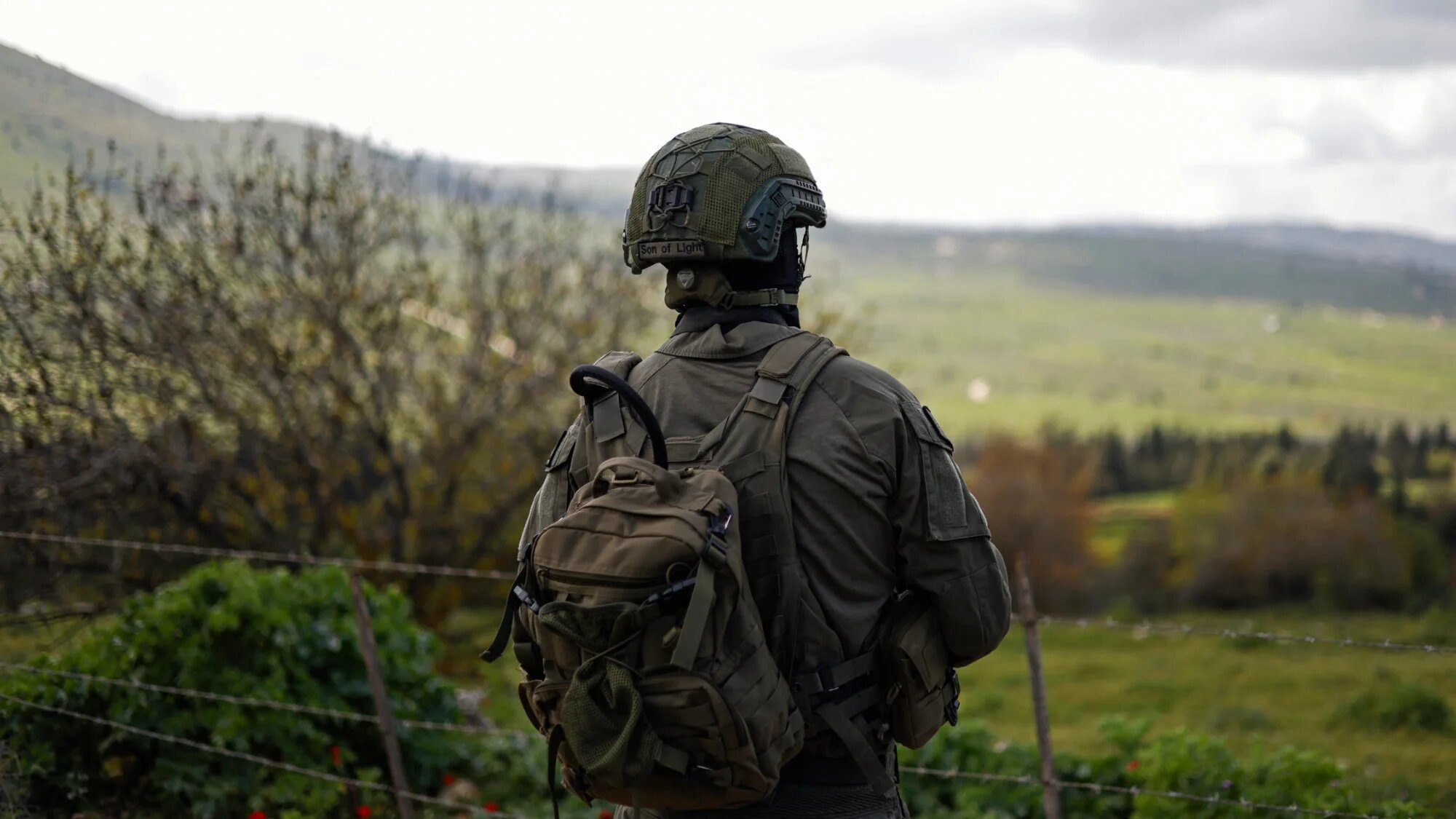
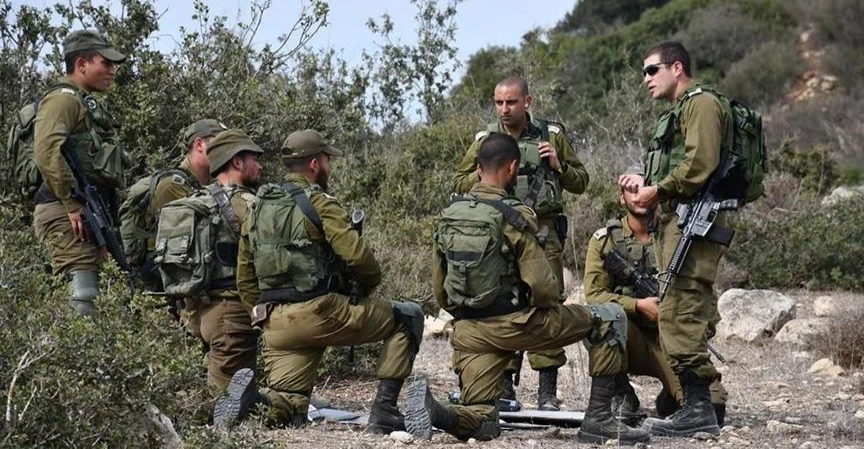
Israeli troops are operating inside an Israeli-declared "yellow line," which runs approximately 10 kilometers (six miles) inside Lebanon along the border. This designated area marks the extent of Israeli military presence within Lebanese territory, indicating a deeper penetration into Lebanese lands than typically acknowledged. The sustained exchanges of fire and military operations show the persistent tensions in the region, with both sides engaging in offensive and defensive maneuvers. The reported damage to the hospital in Tibnin and the other airstrikes highlight the severe impact of this ongoing conflict on civilian areas and critical infrastructure in southern Lebanon, raising concerns about humanitarian consequences.
Humanitarian Toll Mounts
The ongoing conflict has resulted in significant damage to medical infrastructure and a mounting humanitarian toll across Lebanon, particularly in the southern regions. Since the war began on March 2, a total of 16 hospitals have sustained damage, severely impacting healthcare services in the affected regions and straining the capacity of the Lebanese healthcare system. The violence has also claimed the lives of 116 emergency and health workers, a tragic loss that further debilitates medical response capabilities in an already fragile environment. These casualties among healthcare professionals show the extreme dangers faced by those attempting to provide aid and care amidst the hostilities.
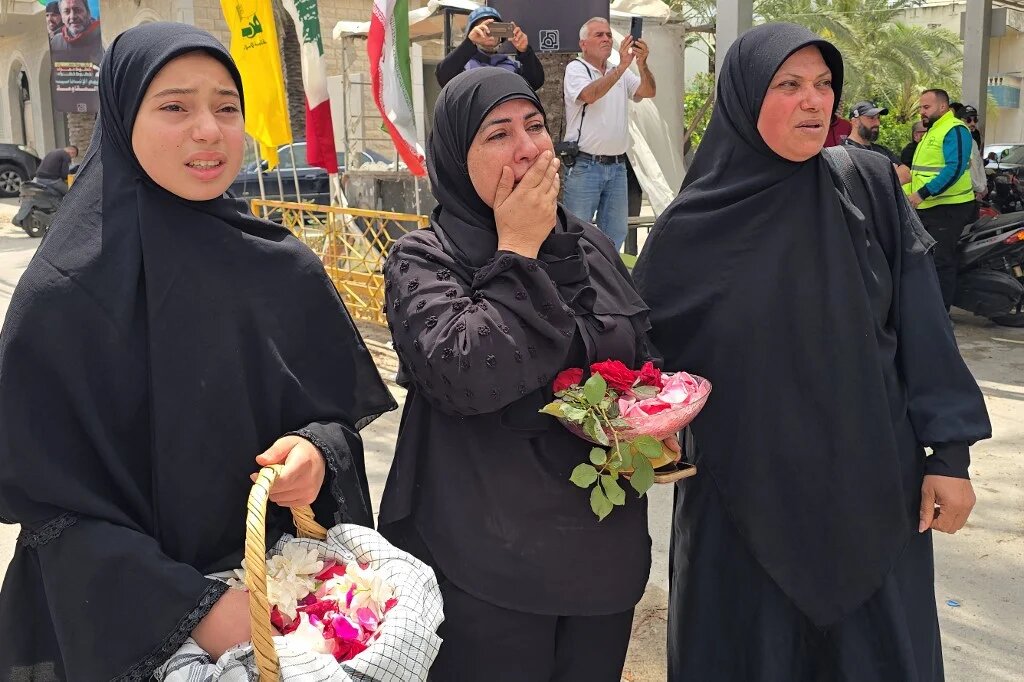
Lebanon’s health ministry reported that Israeli attacks have killed at least 3,089 people in Lebanon since March 2, painting a grim picture of the conflict's human cost. Civilian casualties have included women and children, noting the indiscriminate nature of some of the strikes. This week, a strike on the town of Deir Qanun Al-Nahr killed 14 people, demonstrating the devastating impact of military operations on non-combatant populations. Among those killed were three women and four children, one of whom was Syrian, further emphasizing the vulnerability of displaced and local populations caught in the crossfire. The incident shows the severe impact of military operations on non-combatant populations and vital public services. The damage to healthcare facilities and the loss of medical personnel further strain the capacity of the Lebanese healthcare system amidst ongoing hostilities, making it increasingly difficult to address the growing medical needs of the population.
Truce and Ongoing Tensions
Despite efforts towards de-escalation, the region remains volatile. Since the truce began on April 17, Israel has continued to launch strikes, carry out demolitions, and issue evacuation orders in south Lebanon, indicating that the cessation of hostilities has not been fully observed across all fronts. The truce was subsequently extended for 45 days, following a third round of direct talks between Lebanese and Israeli representatives held in Washington. These negotiations aimed to de-escalate tensions in the region and find a path towards a more lasting peace, yet the continued military actions suggest persistent challenges to their implementation.
Hezbollah had drawn Lebanon into the broader Middle East conflict by launching rocket fire at Israel. This action was taken in retaliation for the killing of Iran’s supreme leader in what were described as US-Israeli strikes, linking the Lebanese front to wider regional geopolitical struggles. In response to Hezbollah's actions, Israel initiated massive airstrikes and a ground invasion in southern Lebanon, marking a significant escalation in the conflict. These military operations have continued despite the establishment of a truce period, demonstrating the deep-seated nature of the conflict and the difficulties in achieving a full ceasefire. The ongoing exchanges of fire, even during a truce, show the fragility of peace efforts and the continued threat to civilian lives and infrastructure in southern Lebanon.