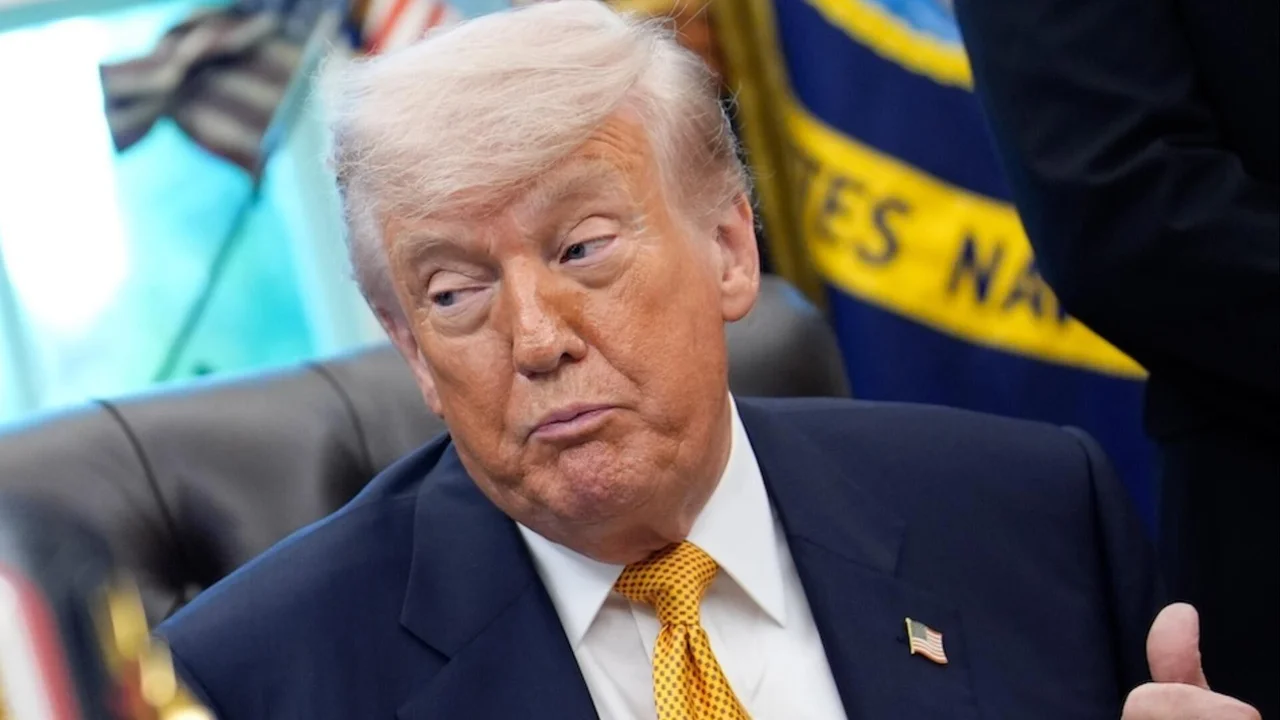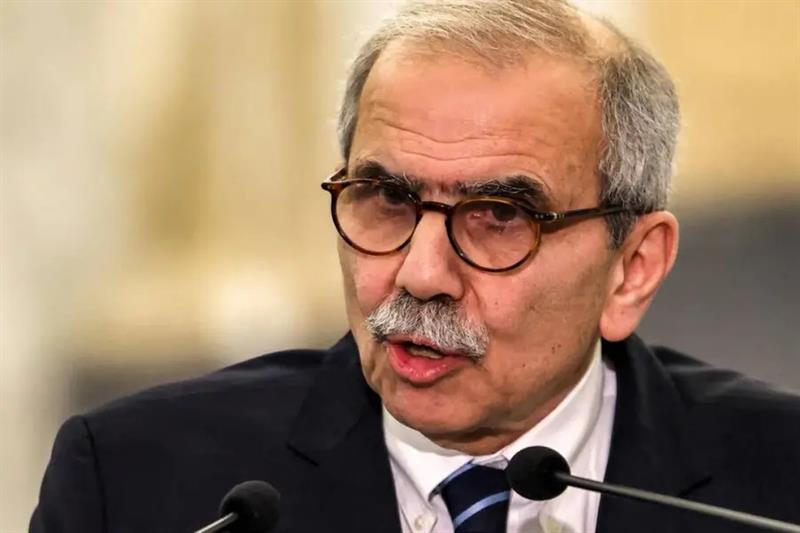
Lebanese Prime Minister Nawaf Salam stated that Lebanon prioritizes consolidating a ceasefire over normalizing relations with Israel, amid ongoing Israeli military actions in Lebanese territory. Salam has consistently maintained that Lebanon seeks "peace, not normalization with Israel," reiterating that the country is "not seeking to normalize its relations with Israel, but rather to make peace." This position shows a fundamental difference in approach to future relations between the two nations. Israel’s continued attacks and occupation of southern Lebanese territory, particularly in areas near the border, threaten to collapse the truce declared on April 17 by US President Donald Trump, which was initially set for 10 days and later extended. Reports indicated Lebanon's minimum requirement for any lasting peace is a "clear timetable" for Israel’s withdrawal from the south. Salam also stated that "the current circumstances are not ripe to talk about high-level meetings," with the priority being to "monitor, coordinate, and document" the ceasefire.
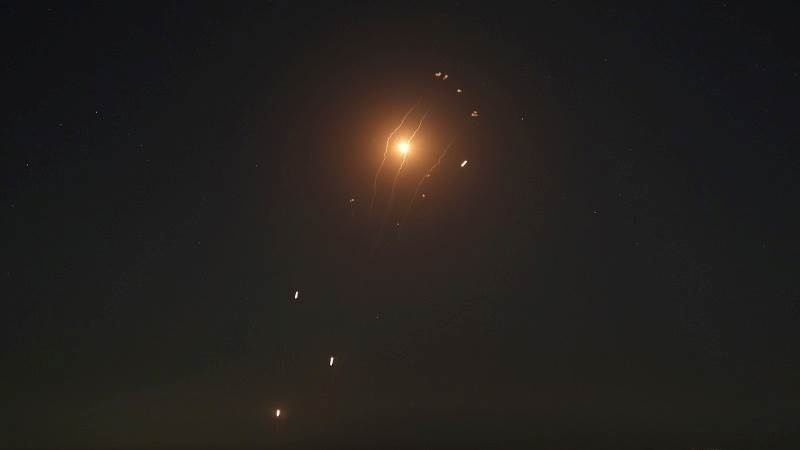
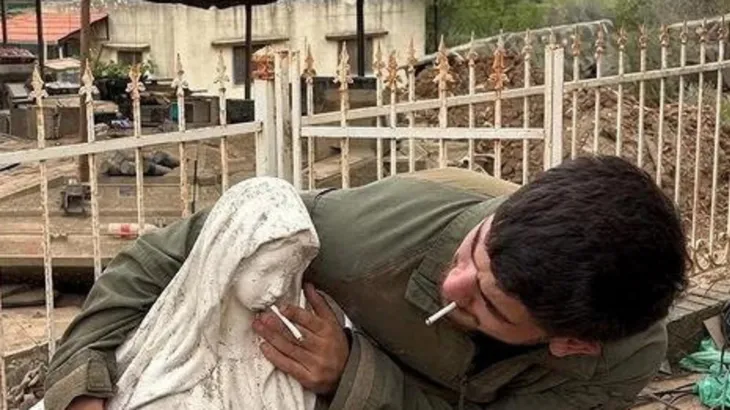
Israeli strikes killed at least six people in Lebanon on Thursday, May 7, 2026, including two people in a strike on a vehicle on the Habboush road and one person in a drone strike near Mefdoun. The previous day, Wednesday, Israeli strikes hit multiple areas across southern and eastern Lebanon, including a strike on Beirut’s southern suburb of Dahiyeh. These attacks resulted in significant casualties, including a family of four in Jbaa, two paramedics in Mefdoun, and a Syrian national in Harouf. The intensity and breadth of these strikes have raised serious concerns about the fragility of the current truce.
Escalating Violence and Ceasefire Concerns
The Dahiyeh strike on Beirut’s southern suburb specifically targeted Malek Ballout, the operations commander of Hezbollah’s elite Radwan force. A Lebanese security source informed AFP that the strike hit an apartment where senior figures were meeting, indicating a targeted operation against Hezbollah leadership. Amidst this escalation, a Lebanese official source told Al Jazeera that the presidency is actively seeking a final agreement to end hostilities with Israel. The source further claimed that Israel’s latest attacks were intended to obstruct ongoing negotiations aimed at achieving a more stable peace.
Before May 17, the next anticipated step involves extending the existing truce and securing an Israeli commitment to halt fire, a critical demand from the Lebanese side. The Lebanese presidency has communicated to Washington that any meeting between President Joseph Aoun and Israeli Prime Minister Benjamin Netanyahu at this stage could undermine efforts to stabilize the situation. Such a high-level meeting, without prior security guarantees, is seen as premature and potentially counterproductive to the delicate negotiation process. Delegation-level talks are expected to commence next week in Washington, covering a full range of security and political files. These discussions are anticipated to address key issues such as arms control, the withdrawal of Israeli forces, border demarcation, and the vital process of reconstruction in affected areas.
President Joseph Aoun stated earlier this week that the timing was not right for a meeting with Netanyahu. Aoun stressed that Lebanon "must first reach a security agreement and a halt to the Israeli attacks" before any such talks could occur. This condition notes Lebanon's insistence on a secure environment as a prerequisite for any political dialogue at the highest levels. Since early March, Israeli strikes have resulted in at least 2,715 fatalities and 8,353 injuries, according to figures released by Lebanon’s health ministry. The ministry also reports that 16 hospitals have sustained damage, with three forced out of service, severely impacting the country's healthcare infrastructure. These figures show the devastating human cost of the ongoing conflict and the urgent need for a durable cessation of hostilities.
Hezbollah has responded to the attacks by targeting Israeli occupation troops in southern Lebanon with drones and artillery fire. These retaliatory actions contribute to the cycle of violence, making the prospect of a stable ceasefire more challenging. Israel had been conducting near-daily attacks on targets and individuals allegedly linked to Hezbollah even before the most recent fighting, despite a ceasefire that concluded their previous conflict in November 2024. This pattern of pre-emptive or retaliatory strikes, even during periods of supposed calm, illustrates the deep-seated tensions and the persistent threat of renewed conflict.
Lebanon's Stance on Peace
Parliament Speaker Nabih Berri expressed hope that "Iranian-American negotiations will soon reach a positive conclusion," suggesting that broader regional dynamics could influence the Israeli-Lebanese situation. Berri cautioned that any potential deal would necessitate strong guarantees, stating pointedly that Israel "does not respect its commitments." This skepticism reflects a historical mistrust and a desire for concrete assurances in any future agreement. Meanwhile, Lebanese Prime Minister Nawaf Salam advocated for the deployment of an international force in southern Lebanon to "monitor, coordinate, and document" developments on the ground. Salam also voiced his expectation that European countries would participate in this force, given that the UNIFIL’s mandate is scheduled to expire at the end of 2026. He further claimed that the United States and Israel are attempting to exclude France from the mechanism overseeing the ceasefire established on November 27, 2024, raising concerns about the impartiality and effectiveness of the oversight body.
Naim Qassem, Secretary-General of Hezbollah, stated that the group "categorically rejects direct negotiations" with Israel. This firm stance from Hezbollah, a powerful non-state actor in Lebanon, complicates any potential path towards a full peace agreement. Qassem also warned Lebanese officials that such direct negotiations "will not benefit Lebanon or themselves," signaling a strong internal opposition to any direct engagement with Israel. He urged them to "back down from their grave sin of putting Lebanon into a spiral of instability," adding, "No matter how much the enemy threatens, we will not back down, we will not bow, and we will not be defeated." Qassem's rhetoric shows Hezbollah's unwavering commitment to its current position and its readiness to resist perceived threats.
The current ceasefire agreement notably does not include provisions for the withdrawal of Israeli troops from southern Lebanon, leaving a significant point of contention unresolved. Israeli officials have indicated their objective is to establish a security buffer zone several miles deep within Lebanese territory, a move that is highly contested by Lebanon. The disarmament of Hezbollah's weapons remains a key demand from the United States, Israel, and numerous Lebanese factions, who view the group's arsenal as a source of instability. Supporters of Hezbollah, however, view the group as their sole protection in a state with limited governmental influence and a weak national army. The Lebanese government itself reportedly exerts very little, if any, control over Hezbollah, further complicating efforts to implement any disarmament initiatives. President Joseph Aoun has consistently stated that disarmament cannot be delivered by force and would necessarily require extensive negotiations, acknowledging the complex political and social dimensions of the issue.
Broader Context and Future Outlook
Gunfire and fireworks celebrated the start of the ceasefire in Beirut at the stroke of midnight, a moment of fleeting relief for a population weary of conflict. The conflict between Israel and Hezbollah, which preceded this ceasefire, lasted six weeks and resulted in more than 2,100 fatalities, according to Lebanese health authorities. This period of intense hostilities also displaced over a million people, a figure representing roughly one in five of Lebanon's population, creating a significant humanitarian crisis and placing immense strain on the country's resources.
Reports indicate that some towns and villages located near the border remain under Israeli occupation, a persistent source of tension and a major obstacle to a lasting peace. Addressing the issue of disarmament, President Joseph Aoun has stated that such an outcome cannot be achieved by force and would necessitate intricate negotiations. He previously affirmed that Lebanon "must first reach a security agreement and a halt to the Israeli attacks" before any high-level talks could occur, emphasizing the primacy of security and stability. Israel and Lebanon have technically been in a state of war since 1948 and currently maintain no diplomatic relations, complicating efforts toward a lasting resolution and showing the deep historical roots of their conflict. The lack of formal channels for communication makes the role of international mediators, such as the United States, even more critical in facilitating any progress towards peace. The upcoming delegation-level talks in Washington will be closely watched for any indications of a pathway forward, as the region grapples with the potential for renewed escalation.