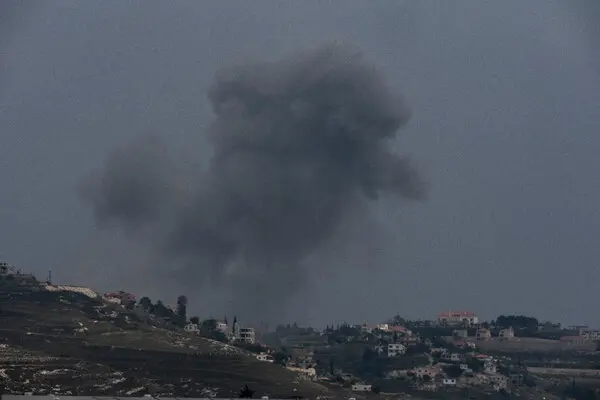
Lebanon has acceded to the Mine Ban Treaty, a significant international agreement aimed at prohibiting the use, stockpiling, production, and transfer of anti-personnel mines. This move represents a key step for the nation in addressing the persistent threat of explosive remnants of war within its borders. Lebanon's Council of Ministers issued a decree in January 2026, officially approving the country's accession to the treaty. This formal step signifies a commitment to global disarmament efforts concerning landmines, aligning Lebanon with a worldwide movement to eradicate these indiscriminate weapons. The treaty will legally enter into force for Lebanon on November 1, 2026, marking a new phase in its engagement with international humanitarian law and its responsibilities towards mine action. This accession positions Lebanon among the majority of the world's nations that are party to the convention, reinforcing the treaty's global reach and moral authority.
Lebanon's Landmine Crisis
Lebanon has long grappled with a severe landmine and explosive remnants of war problem, a legacy of multiple conflicts and occupations. By the end of 2024, the country faced significant landmine contamination, with at least 15.79 square kilometers of land remaining affected by these dangerous devices. This extensive contamination poses a daily threat to civilian populations and impedes agricultural development, infrastructure projects, and the safe return of displaced communities. Beyond landmines, an additional 4.67 square kilometers across the country were contaminated with cluster munitions, which also present a grave and enduring hazard.
The human toll of this contamination is substantial. The United Nations Interim Force in Lebanon (UNIFIL) estimated in 2023 that landmine contamination impacts at least 200,000 people in Lebanon, affecting their livelihoods, safety, and access to essential services. These explosive remnants of war have continued to pose a direct and deadly threat, with mines or other explosive remnants of war killing at least 167 individuals in Lebanon between 2015 and 2024. The long-term presence of these weapons has had a devastating impact on civilian lives, causing deaths, injuries, and limiting access to vital resources. Lebanon confirmed in December 2009 that it has never produced or exported antipersonnel mines, showing its historical stance against these weapons even before formal accession to the treaty.
The Mine Ban Treaty Framework
The Mine Ban Treaty, formally known as the Ottawa Treaty, established a full international framework for the prohibition of anti-personnel landmines. The treaty officially entered into force in 1999, setting out legal obligations for its States Parties and creating a strong legal instrument against these weapons. It broadly prohibits the use, production, stockpiling, and transfer of anti-personnel mines, aiming to eliminate the entire category of these indiscriminate weapons. Signatory nations are also required to destroy their existing stockpiles of these weapons within a specified timeframe, clear mined areas within their territories, and provide assistance to victims of landmines, including rehabilitation and reintegration support. The treaty's provisions are designed to ensure not only the removal of the physical threat but also to address the humanitarian consequences of landmine use.
Lebanon's accession to the agreement adds to the global consensus against these weapons, further isolating the few states that have not yet joined. Within the Middle East and North Africa region, several countries currently remain outside the Mine Ban Treaty, noting the regional challenges to universal adherence. These include Bahrain, Egypt, Iran, Israel, Libya, Morocco, Saudi Arabia, Syria, and the United Arab Emirates. The treaty aims to eliminate anti-personnel mines worldwide through its full provisions on disarmament, mine clearance, and victim assistance, creating a safer world for all.
Global Context and Significance
Lebanon's accession to the Mine Ban Treaty occurred during an ongoing armed conflict, a circumstance that shows the challenges of implementing such agreements in volatile regions and notes the country's resolve. This decision demonstrates a commitment to humanitarian principles even amidst complex security situations. The nation officially deposited its instrument of accession to the treaty with the United Nations in New York City on May 1, 2026, a formal act that signifies its full acceptance of the treaty's obligations. This formal step triggers specific obligations for Lebanon under international law.
Following its accession, Lebanon is now required to submit an initial transparency report to the UN, detailing its landmine situation, existing stockpiles (if any), and plans for clearance and victim assistance. The country must also begin to implement the provisions of the Mine Ban Treaty, which include measures for mine clearance and victim assistance, thereby contributing to the global effort to eradicate anti-personnel mines and mitigate their humanitarian impact. This will involve developing national action plans and allocating resources to address the remaining contamination and support affected communities.
Globally, the treaty has faced varying levels of commitment from states, reflecting the complex geopolitical landscape. In 2025, five European states—Latvia, Lithuania, Estonia, Finland, and Poland—withdrew from the Mine Ban Treaty, citing evolving security concerns. Separately, Ukraine has attempted to suspend its obligations under the treaty due to the ongoing conflict within its borders. These actions by other states highlight the complex geopolitical considerations that can influence adherence to international disarmament agreements and show the significance of Lebanon's decision to join despite its own security challenges.