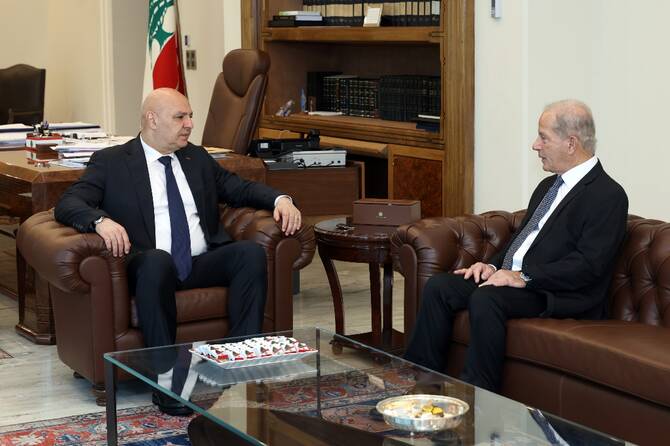
American ambassador Michel Issa met with Lebanese President Joseph Aoun on Monday, stating that negotiations between Lebanon and Israel are moving in a positive direction. Ambassador Issa characterized the progress as reaching "a point of no return," indicating significant advancement in the discussions. He further remarked that "the ice has been broken," suggesting a breakthrough in diplomatic efforts concerning the two nations. The upcoming talks are expected to resume in Washington, signaling a renewed push for diplomatic resolution between the long-standing adversaries. This development comes after a period of intense diplomatic engagement by the United States to de-escalate tensions in the region.
US Diplomatic Push
Ambassador Issa conveyed Washington’s appreciation for positions recently expressed by President Joseph Aoun in a televised interview. The United States had decided not to allow the confrontation between Lebanon and Israel to expand further, according to Issa. This determined stance notes the significant commitment of the US to regional stability and its proactive role in mediating disputes. This diplomatic engagement follows earlier remarks by Ambassador Issa, who noted that negotiations between Lebanon and Israel are moving in a positive direction. He previously characterized the progress as reaching "a point of no return" and stated that "the ice has been broken," indicating significant advancement in the discussions. The ambassador's statements show a palpable shift in the diplomatic landscape, moving from protracted deadlock towards tangible progress. The upcoming talks are expected to resume in Washington, a development that shows continued American involvement in facilitating dialogue between the two nations, aiming to solidify these initial breakthroughs.
Progress on Negotiations
Ambassador Michel Issa stated that negotiations between Lebanon and Israel have reached a key stage, characterized by significant momentum. Issa indicated that the parties had arrived at "a point of no return," suggesting an irreversible progression in the diplomatic efforts. This phrase implies that the discussions have advanced beyond a point where either side can easily withdraw without significant repercussions, thus committing them to further engagement. He further elaborated on the positive shift in relations, remarking that "the ice has been broken." This metaphor signifies an overcoming of previous diplomatic inertia and a newfound willingness to engage constructively on sensitive issues. These statements show the perceived breakthroughs in the ongoing discussions aimed at resolving long-standing issues between the two nations, which have historically been fraught with tension. The ambassador's comments follow earlier remarks where he noted the positive trajectory of the talks, emphasizing the dedication of all parties involved to finding common ground. The United States has been actively involved in facilitating these negotiations, with the upcoming round expected to take place in Washington. This development reflects sustained diplomatic engagement to de-escalate tensions and foster dialogue in the region, with the ultimate goal of achieving a more stable and peaceful environment.
Ceasefire Efforts and Tensions
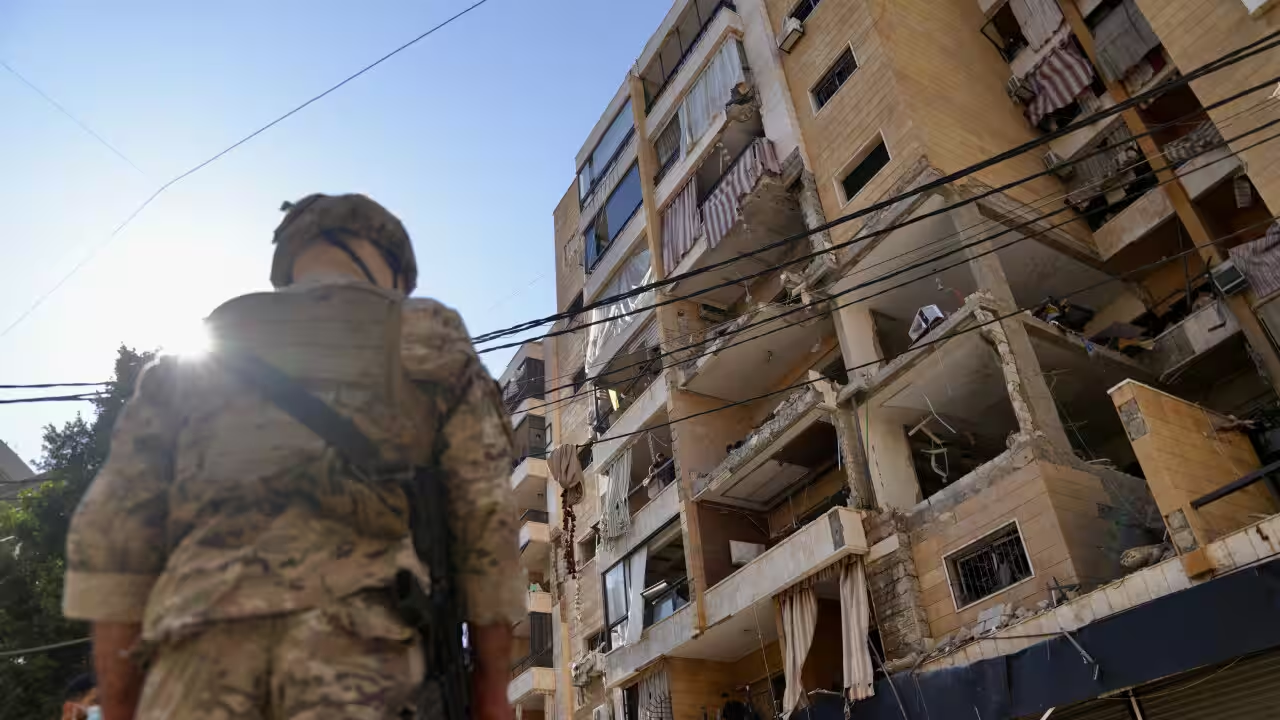
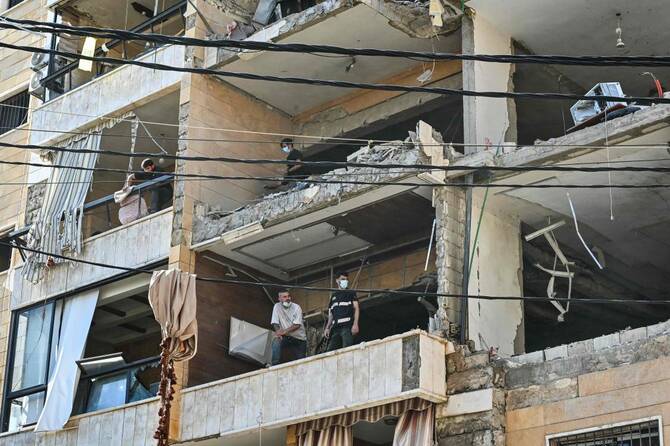
Washington continues its efforts to preserve the ceasefire agreement reached between Israel and Hezbollah in November 2024. This truce had brought an end to more than a year of cross-border hostilities between the two parties, a period marked by significant security concerns and instability along the border. The ceasefire was specifically intended to pave the way for the implementation of UN Security Council Resolution 1701, a critical framework for maintaining peace and security in the area. Despite the ceasefire, both sides have exchanged accusations of violations, indicating ongoing fragility in the security situation and the persistent challenges in fully de-escalating tensions. These accusations highlight the deep-seated mistrust and the delicate nature of the peace efforts. Israeli strikes and various security tensions have persisted in parts of southern Lebanon, showing the challenges in maintaining full stability in the region and the need for continued vigilance and diplomatic pressure to uphold the truce.
Broader Context and Support
President Donald Trump closely monitors developments in Lebanon and regularly discusses the Lebanese file. His consistent attention to the situation shows the strategic importance the United States places on stability in Lebanon and the broader Middle East. The United States affirmed its commitment to supporting efforts aimed at helping Lebanon recover from its crisis and alleviating the suffering of its people. This commitment includes various forms of assistance and diplomatic backing, recognizing the severe economic and social challenges faced by the Lebanese population. The ceasefire, previously established between Israel and Hezbollah, was specifically intended to pave the way for the implementation of UN Security Council Resolution 1701, which calls for the full cessation of hostilities, respect for the Blue Line, and the establishment of a demilitarized zone. The ongoing diplomatic efforts, including the upcoming talks in Washington, are part of a full strategy to address both immediate security concerns and long-term stability in the region. The US aims to ensure that the progress made in diplomatic channels translates into tangible improvements on the ground for both Lebanon and Israel.