Representatives from Israel and Lebanon are scheduled to convene in Washington for a third round of talks on May 14 and 15, a US State Department official announced on Thursday. The discussions will be mediated by the United States, continuing diplomatic efforts between the two nations to de-escalate tensions and foster a more stable regional environment. This upcoming round of negotiations shows the persistent commitment by the US to facilitate dialogue between the historically estranged neighbors. The announcement from the US State Department official on Thursday confirmed the dates for these critical discussions, noting the ongoing diplomatic push.
Escalating Border Tensions Precede Diplomatic Efforts
Thursday’s announcement of upcoming talks followed Israel’s first strike on Beirut since last month’s ceasefire agreement. This strike marked a significant escalation, drawing international attention to the fragile security situation despite previous agreements. Despite the ceasefire, Israel has repeatedly struck Hezbollah in southern Lebanon, indicating a sustained military posture. These actions have occurred while the Iran-backed militants have simultaneously engaged and attacked Israeli troops, contributing to a volatile border region. The timing of the diplomatic announcement, just a day after Israel's strike on Beirut, shows the urgency of the US-led mediation efforts. The strike on Wednesday evening, which heavily damaged a residential building, further complicated an already delicate security landscape.
Path to Lasting Peace Talks
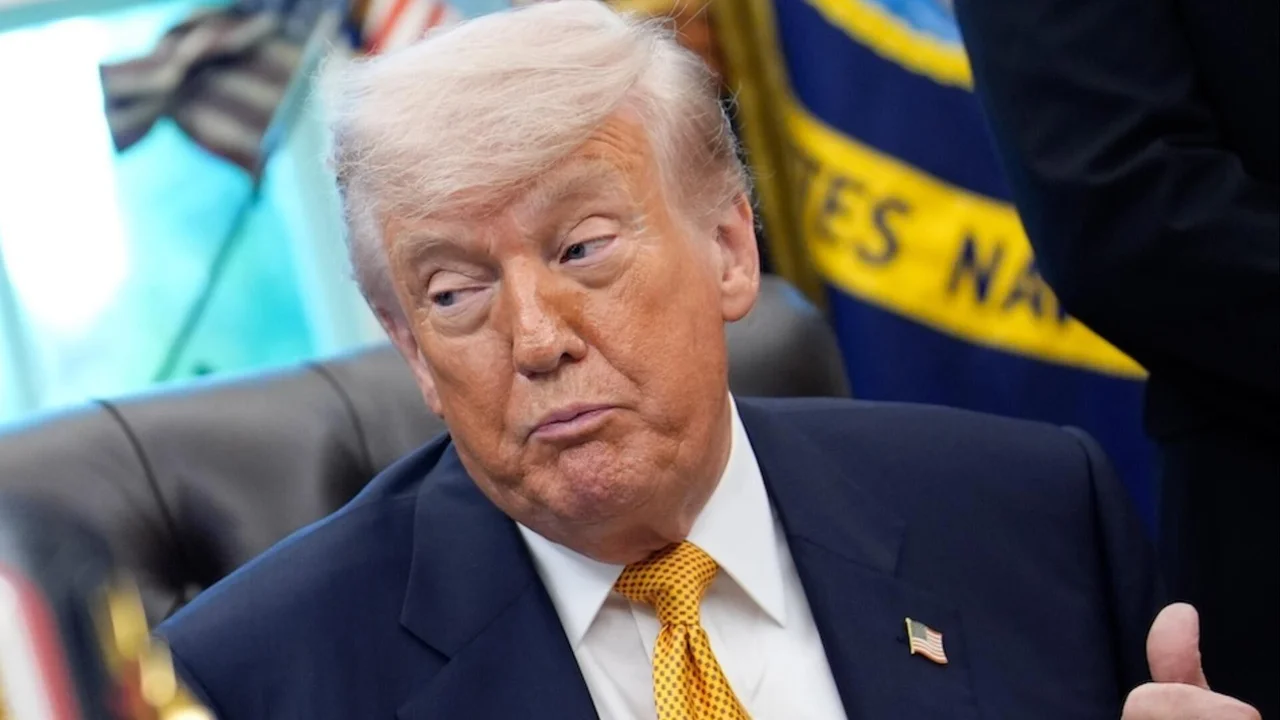
The United States aims for Lebanon and Israel to agree to a lasting peace deal, following an initial ceasefire announced on April 16. This initial cessation of hostilities was a key first step towards de-escalation. This ceasefire was subsequently extended after a second round of talks between the neighboring countries, demonstrating a mutual, albeit fragile, willingness to engage in dialogue. The previous summit was conducted at the ambassador level at the White House, with US President Donald Trump present, signaling the high-level commitment from the United States to these diplomatic proceedings. The consistent involvement of the US, from facilitating ceasefires to hosting high-level talks, shows its role as a key mediator in the region. The desire for a full and enduring peace agreement remains the ultimate objective of these ongoing negotiations.
Hezbollah's Role and Stance Amidst Conflict
Hezbollah is not directly involved in the ongoing US-mediated talks between Lebanon and Israel, according to reports. Despite its exclusion from the formal negotiation table, the militant group has, however, largely adhered to the ceasefire that was announced on April 16, a key factor in maintaining a semblance of calm. Despite this observation, Israel has conducted strikes against Hezbollah targets in southern Lebanon, while the Iran-backed militants have engaged Israeli troops, illustrating the complex and often contradictory dynamics on the ground. The group's absence from the negotiation table notes the complex political landscape surrounding the discussions aimed at achieving a lasting peace agreement. Its actions on the ground remain a significant factor in the regional dynamics, even without direct participation in the diplomatic process, influencing the environment in which these peace talks are held.
US Diplomatic Push and Recent Incidents
Israeli forces reported that Ahmad Ghaleb Ballout, commander of Hezbollah’s elite Radwan Force, died in an air strike. This significant development occurred amidst the backdrop of escalating tensions. The strike on Wednesday evening heavily damaged a residential building in Beirut's southern suburbs, according to the Israeli forces' statement, marking a serious incident that preceded the announcement of the third round of talks. The death of such a high-ranking commander shows the intensity of the ongoing conflict despite diplomatic efforts. The US diplomatic push seeks to navigate these complex and often violent realities, aiming to find a path toward a more stable and peaceful resolution between Lebanon and Israel. The upcoming talks in Washington represent a continuation of these critical efforts, even as military engagements persist in the region.