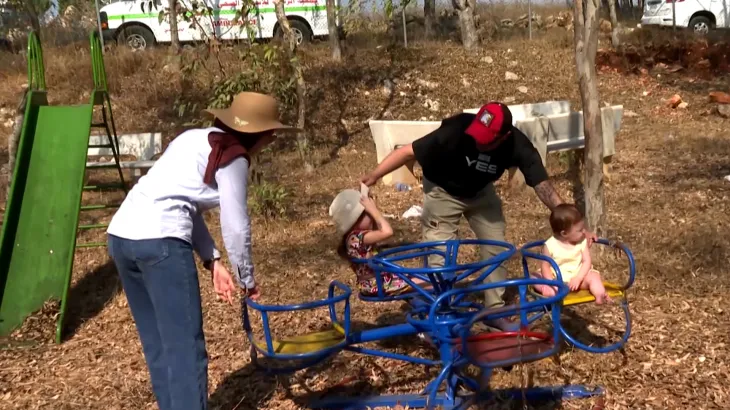
Residents of Zawtar al-Gharbiyah, a Lebanese village, are expressing a strong desire to return home as Lebanon and Israel implement new "pilot zones." The situation, which leaves many longing to go back, was reported by Al Jazeera on July 22, 2026. The news outlet specifically noted the plight of those affected, drawing attention to the human element of this geopolitical development.
Residents' Plea for Return
Residents of Zawtar al-Gharbiyah, a Lebanese village, are expressing a strong desire to return home as Lebanon and Israel implement new "pilot zones." The situation leaves many longing to go back, Al Jazeera reported on July 22, 2026. Al Jazeera spoke to a resident from the Lebanese village of Zawtar al-Gharbiyah who’s been longing to return home, showing the personal impact of these new arrangements. The implementation of these zones has directly impacted residents' ability to access their properties and livelihoods. Many individuals who previously resided in the affected areas now find themselves displaced, awaiting clarity on when they can safely and permanently re-establish their lives. The designation of these pilot zones has thus created a state of uncertainty for the affected populations in Lebanon, leaving them in a state of limbo regarding their future. The longing expressed by the residents is a testament to the deep connection they have to their homes and communities.
Background on Pilot Zones
Lebanon and Israel have established pilot zones as part of ongoing efforts in the region. These designated areas are being implemented by both nations, impacting communities near their shared border. The establishment of the pilot zones has created a situation where residents of villages, such as Zawtar al-Gharbiyah in Lebanon, are currently unable to access their homes. This measure is part of a broader arrangement between the two countries, details of which have not been fully disclosed. The zones represent a new phase in managing the border region, influencing local populations directly by restricting their movement and access to their land. The precise mechanisms and long-term objectives of these pilot zones remain a subject of considerable interest and concern for those living in proximity to the border. The implementation date, as reported by Al Jazeera on July 22, 2026, marks a significant point for these communities.
Enduring Connection to Land
For residents of Zawtar al-Gharbiyah, the inability to return to their homes within the pilot zones represents a significant disruption to their lives and traditions. Many families in villages along the border have deep historical ties to their land, often spanning generations. This connection goes beyond mere property ownership, encompassing agricultural practices, community life, and cultural heritage rooted in their ancestral villages. The displacement caused by the pilot zones means a severance from these enduring relationships with their environment, impacting their way of life and sense of belonging. The land is not merely a physical space but a repository of family history and cultural identity.
The establishment of these zones has therefore impacted the continuity of community life and the preservation of local customs in areas like Zawtar al-Gharbiyah. Residents have expressed that their identity is intrinsically linked to their villages, and the separation from their land creates a profound sense of loss. This sentiment is particularly strong among those who have spent their entire lives in these areas, cultivating the land and participating in long-standing community traditions. While the precise details of the pilot zones' long-term implications remain unclear, the immediate effect has been to show the deep attachment these communities have to their historical properties and the agricultural lands that have sustained them for decades. The longing to return home, as noted by Al Jazeera's report, is a direct consequence of this profound and enduring connection to their ancestral lands.