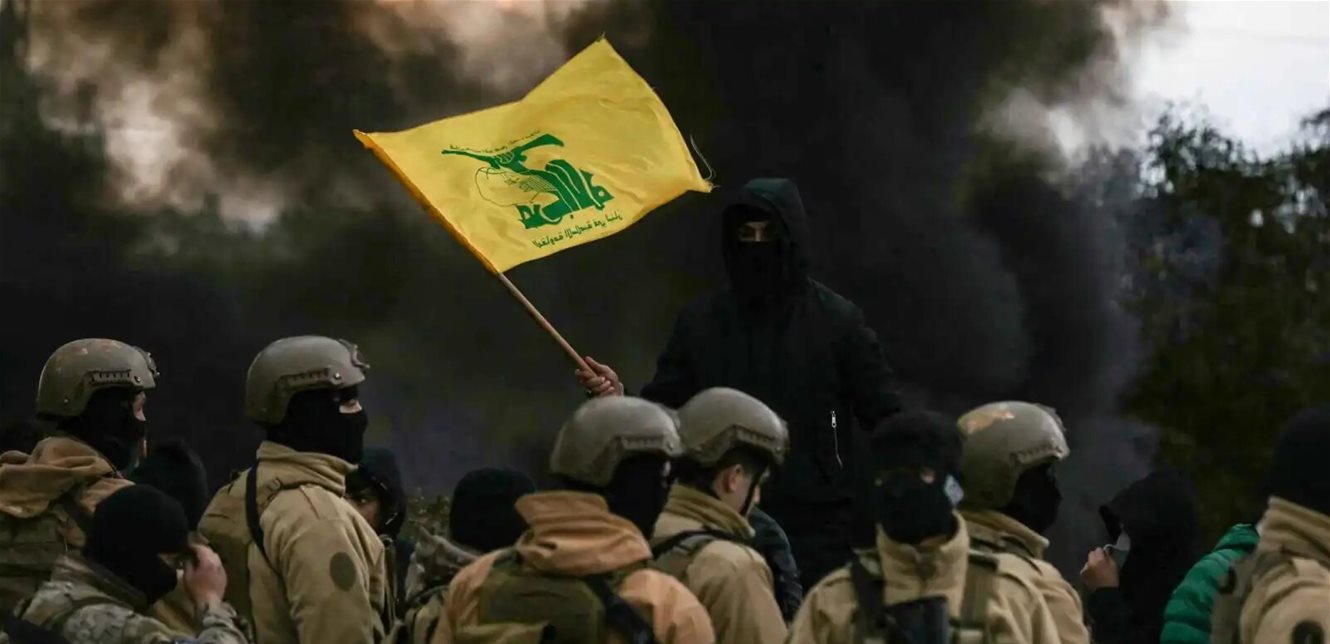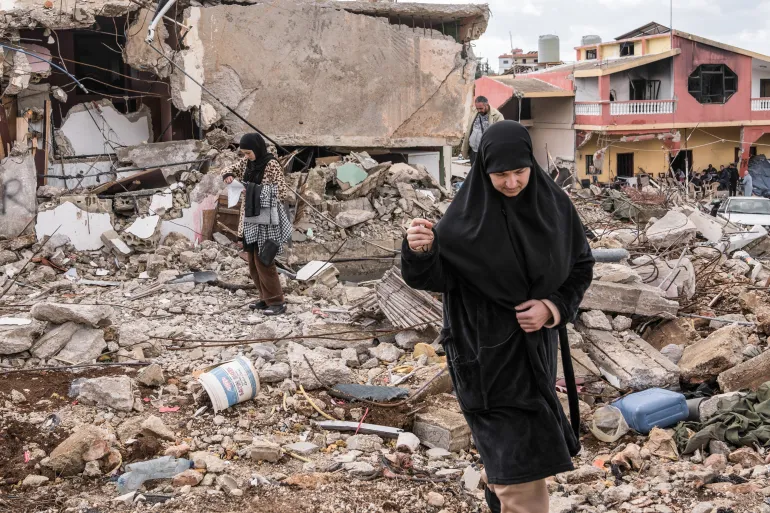
Lebanon's fragile ceasefire with Israel, established three months ago, has been a period marked by significant displacement. During this time, more than one million people have been displaced. This substantial movement of populations shows the profound human impact of the recent hostilities, even under a declared cessation of fighting. The displacement has created immense humanitarian challenges, placing strain on resources and infrastructure in various areas. The situation continues to be closely monitored by international observers as the region attempts to navigate the ongoing complexities. The initial three months of this ceasefire have thus provided a critical, albeit precarious, test of its viability and the broader prospects for regional stability.
Framework Agreement Details
Officials describe the framework agreement between Lebanon and Israel as a roadmap toward ending hostilities. The agreement outlines several key principles intended to de-escalate the ongoing conflict. Among these is a commitment to a cessation of all military activities across the demarcation line. This foundational principle is designed to prevent further immediate confrontations and to create a buffer zone for dialogue. The framework also includes provisions for establishing a joint monitoring mechanism. This mechanism aims to ensure adherence to the ceasefire terms and to address any potential violations swiftly and impartially. The establishment of such a body is considered key for building trust and managing incidents that could otherwise lead to renewed escalation.
Further details within the agreement involve the potential for future discussions on border security arrangements. These discussions are expected to delve into more permanent solutions for managing the shared frontier, addressing long-standing security concerns for both nations. The framework agreement represents an initial step in a complex process, with both sides expected to engage in further dialogue. This structured approach seeks to provide a basis for stability in the region, moving beyond immediate crisis management to foster a more enduring peace. The intent is to lay groundwork that could eventually lead to more full agreements, addressing the underlying issues that have historically fueled tensions.
Ceasefire's Harsh Realities
The three months of the fragile ceasefire have seen continued Israeli airstrikes. These ongoing military actions show the precarious nature of the peace agreement in the region. Despite the declared framework, the persistence of such incidents notes the deep-seated mistrust and unresolved issues that continue to challenge the ceasefire's integrity. Each airstrike serves as a stark reminder of the potential for rapid escalation, keeping the civilian population in a state of heightened anxiety. The continued military activities also complicate efforts by humanitarian organizations to provide aid and support to the more than one million displaced individuals, as security remains unpredictable. The reality on the ground, therefore, often deviates from the stated intentions of the framework agreement, presenting significant hurdles to achieving genuine de-escalation.
Criticism and Accountability Concerns
Critics have raised questions regarding the terms of the ceasefire agreement, specifically whether Lebanon prioritized an end to hostilities over demands for accountability. This central critique suggests that in the urgent pursuit of peace, key considerations of justice for past actions may have been set aside. Observers suggest that the framework agreement, while establishing a temporary cessation of conflict, might have sidelined calls for investigations into past actions or reparations for damages incurred during the recent period of escalation. This perspective notes a potential trade-off between immediate peace and long-term justice.
The concerns center on whether the agreement's focus on de-escalation may have inadvertently diminished pressure for a thorough examination of events leading up to and during the conflict. Critics argue that by not explicitly including provisions for accountability, the ceasefire risks normalizing certain behaviors or failing to address the root causes of grievances. This approach, according to critics, could set a precedent where accountability is deferred in favor of political expediency, potentially undermining future efforts to establish a lasting and equitable peace. The questioning of whether Lebanon traded accountability for a ceasefire remains a significant point of contention among those observing the situation.