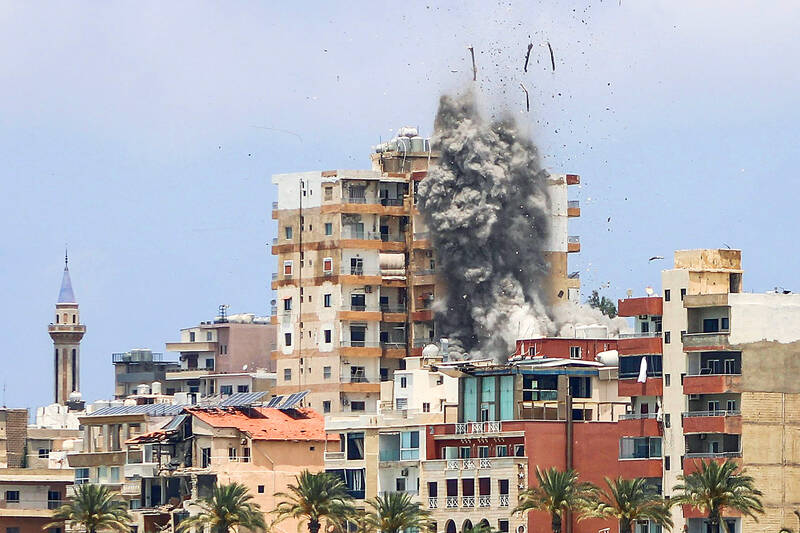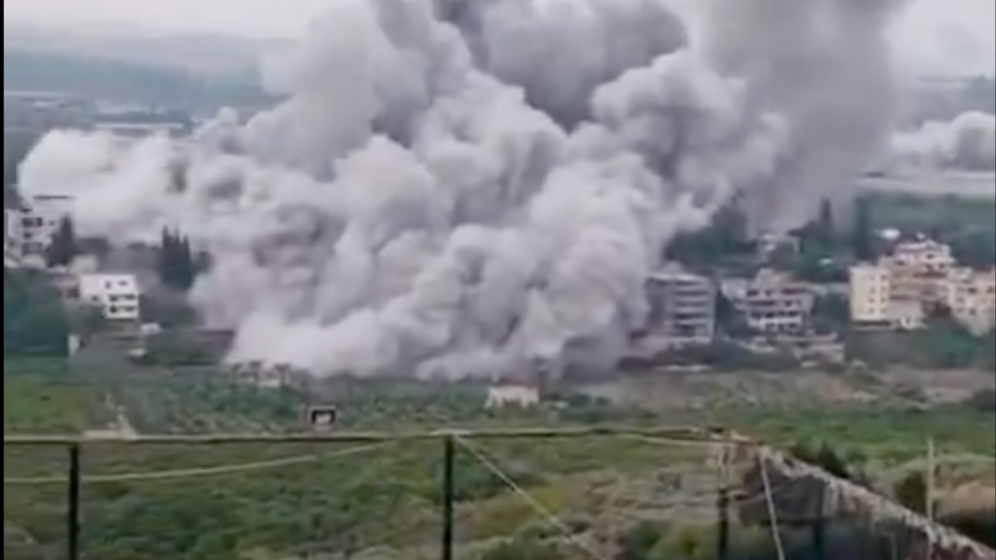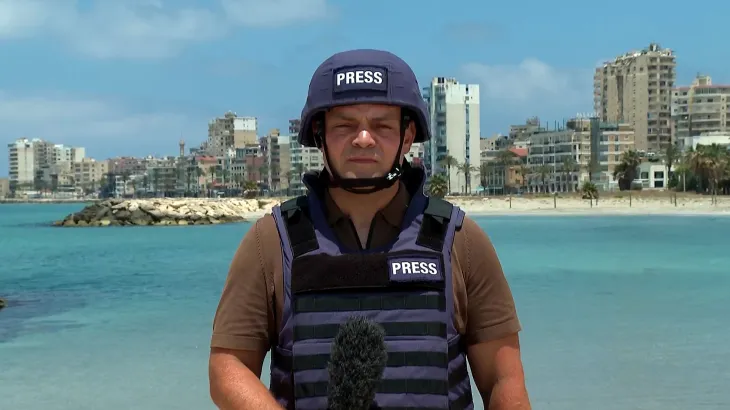
A new ceasefire agreement has been announced following United States-mediated talks between Lebanon and Israel. This significant diplomatic development comes as the conflict between the two nations approaches its third month, marking a period of sustained tension and sporadic violence. The negotiations, facilitated by the United States, aim to halt the ongoing hostilities that have escalated significantly in recent weeks, posing a considerable challenge to regional stability. The accord addresses the immediate cessation of military actions between Lebanese and Israeli forces. This development marks a significant diplomatic effort to de-escalate tensions in the Middle East, which have been exacerbated by the prolonged conflict. The agreement was reached after intensive discussions involving representatives from both Beirut and Tel Aviv, showing the urgency of finding a resolution. The United States has played a key role in mediating these talks, seeking to bridge the divides between the two historically adversarial nations and establish a framework for de-escalation. The implementation of this ceasefire is seen as a critical first step towards a more full peace arrangement, though its long-term success remains subject to numerous complex factors.
Hezbollah's Entrenched Power
One provision of the new agreement explicitly calls for the creation of pilot security zones intended to establish areas free from Hezbollah’s presence. This particular clause notes the international community's concern over the militant group's significant influence and operational capabilities within Lebanon. Hezbollah has remained exempt from meaningful disarmament efforts over time, despite previous international and national initiatives designed to integrate all armed groups into the state's security apparatus. These initiatives include historical agreements such as the Taif Agreement, which aimed to end Lebanon's civil war, and UN Security Council Resolution 1701, which called for the disarmament of all armed groups in Lebanon following the 2006 conflict. The persistent failure to disarm Hezbollah has left it as a powerful non-state actor, complicating efforts to establish full state sovereignty across Lebanese territory. Recent reports indicate clashes have occurred between residents of southern villages and Hezbollah members, showing the internal tensions and resistance to the group's activities, even within its traditional areas of influence. These incidents reflect the complex dynamics on the ground, where local populations sometimes find themselves at odds with Hezbollah's operational control.
Israel, for its part, conducts targeted and selective operations specifically against Hezbollah, treating it as an armed non-state actor. This approach reflects Israel's strategic assessment of Hezbollah as a direct and immediate threat to its security, distinct from the Lebanese state itself. However, the Lebanese state currently lacks the institutional tools and resources necessary to effectively enforce the new agreement, particularly concerning the provisions related to Hezbollah's disarmament and withdrawal from certain areas. The weakness of state institutions and the widespread political and economic crises in Lebanon significantly hamper its ability to assert full control over its territory and implement international accords. A proposed financial package totaling $230 million, intended to bolster Lebanon's capacity to extend its authority, is considered insufficient to establish sovereign control over Hezbollah. This amount is widely seen as inadequate to address the deep-seated structural issues and the significant resources required to counter a well-entrenched organization like Hezbollah, which possesses considerable military and political power within the country. The challenge of integrating Hezbollah into the state's framework or disarming it remains one of the most formidable obstacles to lasting peace and stability in Lebanon.
Iran's Strategic Leverage
The accord stipulates that no state or non-state actor should be allowed to hold Lebanon hostage, implicitly referencing Tehran and Hezbollah. This clause directly addresses the perception that Iran utilizes Hezbollah as a proxy to advance its regional interests, thereby undermining Lebanese sovereignty and stability. The agreement is intended to pave the way for a full security and peace arrangement, concurrently providing Lebanon support to end Iranian interference. This support is key for Lebanon to reclaim its full sovereignty and prevent external actors from dictating its internal affairs or foreign policy. Iran views Hezbollah as a critical bargaining chip in its negotiations with Washington, leveraging the group's military capabilities and political influence to enhance its position in broader diplomatic engagements. This strategic perspective profoundly shapes Iran's approach to regional stability, often prioritizing its geopolitical objectives over the immediate stability of its allies. The continued presence and operational capacity of Hezbollah thus serve Iran's larger strategic goals, making any attempt to disarm or neutralize the group a direct challenge to Tehran's regional calculus.
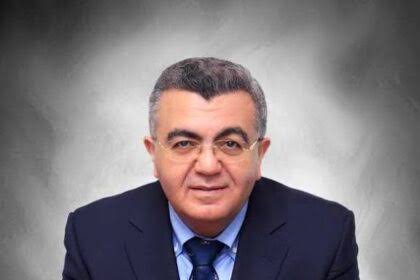
Iran's strategy involves prolonging negotiations and maximizing leverage to extract concessions in broader diplomatic engagements, particularly with global powers. This includes its interactions with the United States regarding various geopolitical issues, such as its nuclear program, regional influence, and sanctions relief. By maintaining its influence over groups like Hezbollah, Iran ensures it has significant assets to deploy in these complex diplomatic arenas. Ending the cycle of bloodshed and destruction in Lebanon should be viewed as a means of depriving Tehran of one of its most valuable negotiating assets. This perspective suggests that addressing the root causes of instability in Lebanon, including the role of non-state actors, can have a direct impact on Iran's strategic options and its ability to project power regionally. Prof. Hatem Sadek stated, "Ending the cycle of bloodshed and destruction in Lebanon should not be viewed as a concession to Iran but rather as a means of depriving Tehran of one of its most valuable negotiating assets." This perspective suggests that addressing the Lebanese conflict directly impacts Iran's regional influence and its strategic calculus in international talks. By stabilizing Lebanon and reducing Hezbollah's autonomy, the international community could diminish Iran's leverage in its dealings with other nations. The ongoing situation in Lebanon, therefore, holds significant weight in the larger diplomatic landscape involving Iran, making the success of this ceasefire key for broader regional stability.
Political Calculations and Elections
Prime Minister Benjamin Netanyahu arguably views the continuation of the conflict as essential to his political survival ahead of future elections. This perspective suggests that the ongoing hostilities may serve a domestic political purpose for the Israeli leader, allowing him to project an image of strong leadership in times of national crisis. The political pressures on Netanyahu are considerable, especially given the complex security environment. Many Israeli military leaders contend that none of the fronts that erupted following October 7, 2023, have been decisively resolved, adding pressure to the political and military establishment. This assessment from within the military further complicates the political landscape, as it implies a lack of conclusive victories and ongoing threats. Israel's armed forces continue to bear the burden of operations across multiple fronts that have remained active since October 2023, further complicating the strategic landscape and placing immense strain on national resources and personnel. The unresolved nature of these conflicts creates a challenging environment for any political leader seeking to demonstrate decisive action and ensure national security.
Meanwhile, President Donald Trump faces growing challenges on the Iranian file and is searching for an alternative victory within a narrow political timetable. As the United States approaches another election cycle, Trump is under pressure to deliver tangible foreign policy successes, particularly in areas where his administration has made significant commitments. Trump cannot afford a deal that appears weak or resembles a rebranded version of the Obama-era nuclear accord, indicating a need for a distinctly strong diplomatic outcome that can be presented as a clear win to his political base. The perception of a successful and strong agreement is critical for his electoral prospects. Relations between Trump and Netanyahu have reportedly deteriorated to the point of personal recriminations and accusations of ingratitude, potentially influencing the dynamics of any United States-mediated negotiations. This strained relationship adds another layer of complexity to the diplomatic efforts, as personal animosity between leaders can impede cooperation and compromise. The interplay of domestic political pressures in both Israel and the United States, alongside the intricate regional dynamics, makes the path to a lasting peace agreement exceptionally challenging. The success of the current ceasefire agreement will therefore depend not only on the commitment of Lebanon and Israel but also on the broader geopolitical considerations and the political will of key international mediators.