Lebanon is undertaking increased diplomatic outreach and institutional rebuilding efforts to counter Hezbollah's influence, according to recent reports. The nation is moving to increase its diplomatic outreach as a key strategy to confront the challenges posed by Hezbollah. As part of these full efforts, Prime Minister Nawaf Salam arrived at Rene Mouawad Airport to preside over an inauguration ceremony. Salam's presence at the event showed the government's steadfast commitment to strengthening state institutions and engaging in direct diplomatic actions on the ground. These initiatives aim to reinforce the state's authority and present a unified front in addressing the complex challenges posed by Hezbollah within the country, seeking to bolster the Lebanese government's sovereignty and operational capacity.
President's Diplomatic Stance and Regional Tensions
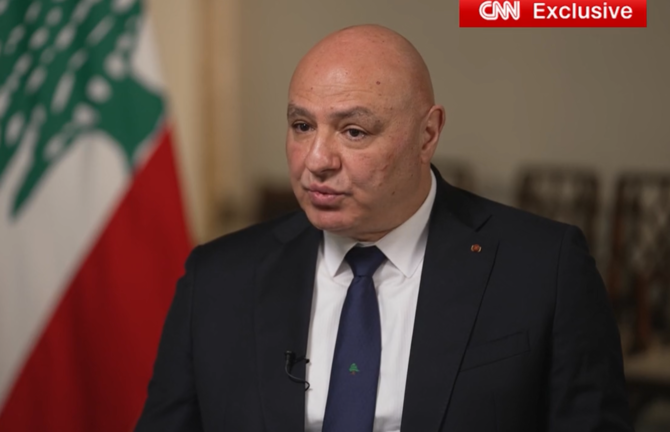
Lebanese President Joseph Aoun engaged in direct and forthright diplomatic discussions, speaking with CNN's Christiane Amanpour about the significant challenges currently facing his administration. During this candid exchange, President Aoun delivered a strong and unequivocal rebuke to Iran. He accused the Islamic Republic of exploiting Lebanon as a bargaining chip in its ongoing conflicts with the United States and Israel, asserting that such actions run directly against the aspirations of the Lebanese populace. CNN reported that President Aoun "delivered a searing rebuke to Iran on Friday, accusing it of using his country as a bargaining chip against the wishes of the Lebanese people in the conflict with the United States and Israel." This statement noted the deep frustration within Lebanon regarding its geopolitical positioning. President Aoun further articulated his profound desire for stability and peace, stating emphatically, "We are fed up, and we want to live in peace." This sentiment reflects a widespread yearning among the Lebanese people for an end to regional volatility.
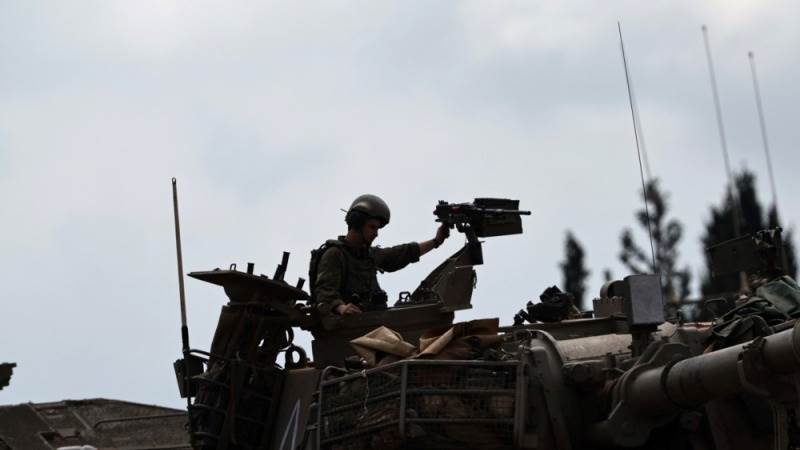
President Aoun also affirmed his unwavering commitment to preventing renewed conflict in the region, stating he would do whatever is necessary to avoid such an outcome. He emphasized the critical importance of safeguarding Lebanon's stability amidst volatile regional dynamics. A source, speaking to AFP, indicated that a recent diplomatic visit was "linked to the Pakistani mediation to resolve" regional issues, showing the multifaceted nature of current diplomatic endeavors. The source added that "Lebanon is a critical part of the negotiations," noting the country's central role in broader efforts to de-escalate tensions and foster dialogue. These diplomatic efforts unfold amidst ongoing and palpable tensions, which have unfortunately led to tragic incidents. On June 6, an officer in the Lebanese army was killed by Israeli fire within Lebanese territory, a stark reminder of the fragile security situation and the urgent need for sustained peace efforts.
Rebuilding State Infrastructure and Economic Hubs
Lebanon's government inaugurated the country's second international airport on Saturday, marking a significant and strategic development in its national infrastructure. This move is seen as a key step in diversifying the nation's entry points and asserting state control over key facilities. Previously, Beirut's Rafik Hariri International Airport had been the sole international airport in Lebanon, serving as the primary gateway for air travel to and from the country. The newly opened facility, Rene Mouawad Airport, is strategically situated in Lebanon’s northwest, near the Syrian border, offering a new logistical hub for the northern part of the country.
The new airport is expected to commence operations and open to the public within weeks, a timeline that shows the government's determination to bring it into service swiftly. Reports have indicated that this northern airport remained closed for an extended period due to pressure exerted by Hezbollah, which had effectively limited its operational status. The reopening signals a deliberate move by the Lebanese state to reassert its authority in areas where Hezbollah's influence has been significant, aiming to reclaim sovereign control over national assets and infrastructure. This development is part of a broader strategy to strengthen the state's presence and operational capacity across all regions.
Further discussions are also underway in Washington regarding initiatives to assist Lebanon in establishing specific "pilot" zones. These proposed zones aim to operate free from Hezbollah's control, providing areas where the Lebanese government can fully exercise its authority without interference. Such initiatives would further support the Lebanese government's efforts to strengthen state institutions and reduce the group's widespread presence within key civilian infrastructure and economic hubs. The goal is to create spaces where legitimate state services and economic activities can flourish unimpeded, fostering stability and economic growth under national rather than non-state control.
Regional Mediation Efforts and International Engagement
Lebanese army chief Rodolphe Haykal departed Lebanon on Saturday for a visit to Pakistan. His travel is part of broader regional mediation efforts, according to an informed source, indicating a concerted push by various international actors to address regional instability. The source indicated that the visit by General Haykal is "linked to the Pakistani mediation to resolve" issues in the region, stressing that "Lebanon is a critical part of the negotiations." This development shows the ongoing international and regional diplomatic engagement concerning Lebanon's role in the wider Middle Eastern geopolitical landscape.
During his visit, General Haykal is scheduled to meet with his Pakistani counterpart, Field Marshal Syed Asim Munir. Their discussions are expected to focus on matters pertinent to regional stability and security, exploring avenues for cooperation and conflict resolution. The United States has also played a significant role in these diplomatic endeavors, having previously assisted in mediating talks between Lebanon and Israel. These multifaceted mediation efforts highlight a concerted push to address tensions and promote dialogue in the region, with Lebanon frequently at the center of such discussions due to its strategic location and the complex interplay of regional and international interests within its borders. The increased diplomatic outreach and institutional rebuilding are key steps for Lebanon to navigate these challenges and secure a more stable future.