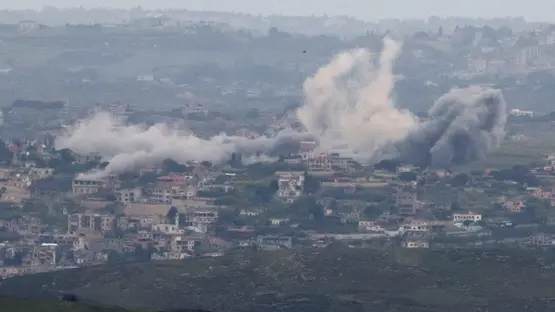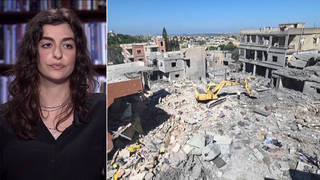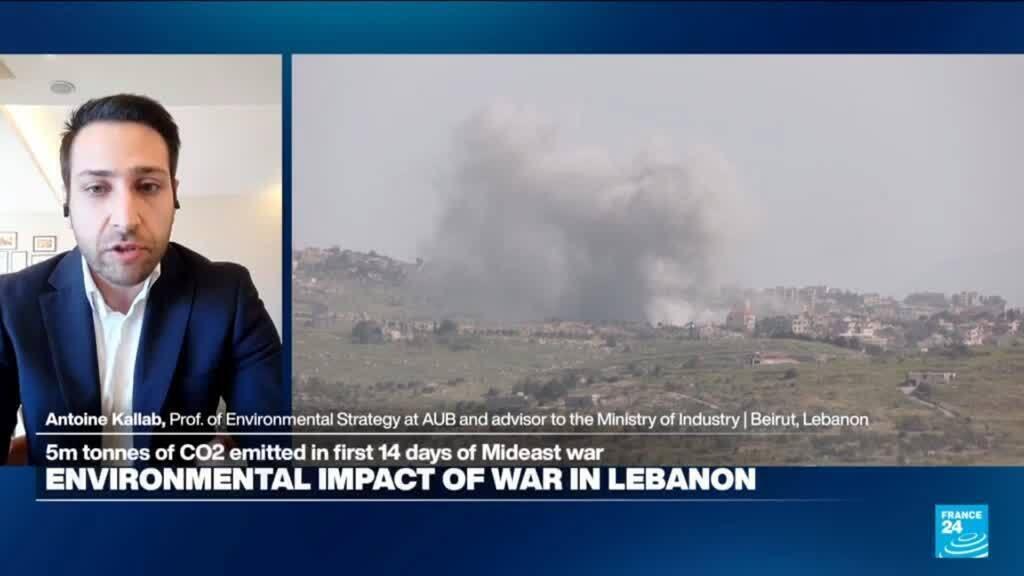
Lebanon is grappling with an environmental crisis as 16 million tons of rubble, generated by Israel's war on the country, pose a significant toxic threat. This immense volume of debris, according to reports, contains heavy metals, toxic materials, and remnants of collapsing infrastructure, presenting a complex challenge for the nation. The sheer scale of the environmental damage was meticulously detailed in a full report prepared by Lebanon’s National Council for Scientific Research (CNRS-L). This assessment covers the period between October 2023 and December 2024, a timeframe marked by cross-border attacks that began on October 8, 2023. Israel's ground invasion of southern Lebanon commenced on October 1, 2024, further contributing to the extensive destruction and the accumulation of hazardous waste across affected regions. The presence of such a vast quantity of contaminated material shows the long-term environmental and public health risks facing Lebanon.
Ecological Devastation Detailed
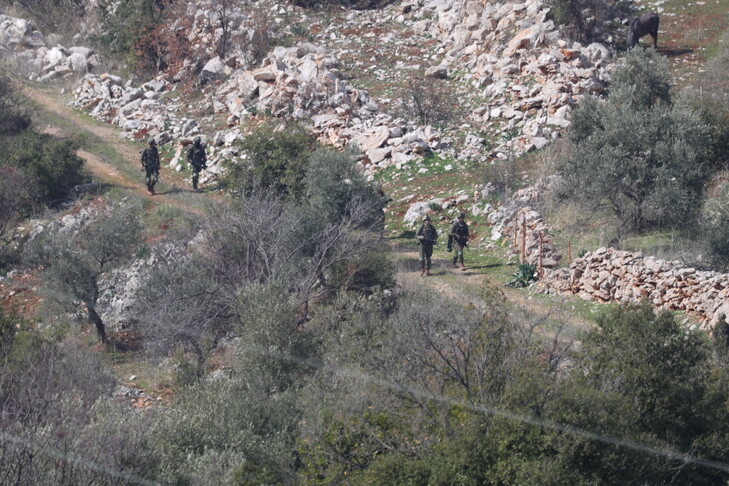
Israeli forces' attacks have significantly impacted Lebanon's natural resources, causing widespread damage. The report notes that 5,000 hectares (12,350 acres) of forest cover have been directly damaged, leading to long-term ecological consequences. Agricultural areas also suffered extensive destruction, with 2,154 hectares (5,320 acres) of orchards, 814 hectares of olive groves, and 637 hectares of citrus plantations completely destroyed. This destruction of vital agricultural land has severe implications for local livelihoods and food security. The cumulative damage to physical agriculture assets, encompassing crops, livestock facilities, forestry resources, fisheries, and aquaculture infrastructure, is estimated at $118 million (£87 million). Beyond physical assets, further financial losses amounted to a staggering $586 million (£433 million) due to lost agricultural production, impacting the national economy and countless farming families. The attacks also led to severe environmental contamination, with soils exhibiting phosphorus concentrations as high as 1,858 parts per million, indicating significant chemical pollution and posing risks to ecosystems and human health. This level of contamination necessitates extensive remediation efforts to restore the land to a usable state.
Economic and Societal Costs
The full monetary cost to Lebanon from the environmental crisis and related damages is estimated at an alarming $25 billion. This total includes $6.8 billion in physical damages across various sectors, ranging from infrastructure to natural resources, and an additional $7.2 billion in economic losses, reflecting the disruption to economic activities and productivity. The country faces an estimated $11 billion in recovery and reconstruction needs to address the widespread destruction and rebuild affected communities and environments. The ongoing environmental crisis is also closely linked to challenges in governance, including the inaccessibility of certain territories, which severely impedes recovery efforts and the delivery of essential aid. Weakened state institutions are struggling to sustain essential reconstruction and prevention initiatives, compounding the crisis and making it harder to implement effective long-term solutions. The inability to access certain areas due to ongoing security concerns or the sheer scale of destruction further complicates the assessment and mitigation of environmental hazards. This multi-faceted challenge places immense pressure on Lebanon's already strained resources and governance structures.
Call for International Support
In response to the extensive damage, Lebanon’s Minister for the Environment has accused Israel's military of committing "an act of ecocide." This grave accusation was made in the foreword to a detailed, 106-page report, which meticulously documents the extensive harm inflicted upon the country’s natural resources during the Israel-Hezbollah conflict between 2023 and 2024. The publication of the report coincided with a patchy ceasefire, noting the environmental destruction that has accumulated over the period despite intermittent lulls in fighting. The full document provides a detailed account of the damage, offering substantial evidence to support the minister's strong condemnation of the military actions. The report aims to draw urgent attention to the environmental consequences of the conflict, emphasizing the critical need for international recognition and action regarding the alleged ecocide. It serves as a stark reminder of the long-term environmental costs of conflict and shows the necessity of international cooperation to address such widespread ecological devastation.