The United States and Iran have officially postponed the commencement of negotiations aimed at forging a permanent peace deal and addressing Tehran’s nuclear program. This significant delay in the talks, which were initially slated to address these long-standing and complex international issues, comes directly amid ongoing fighting in Lebanon. The specific rescheduling of these critical diplomatic discussions was not immediately detailed, leaving uncertainty about when these key talks might resume. The decision to delay was made jointly by both the US and Iranian delegations, acknowledging the volatile regional climate.
Escalation in Southern Lebanon
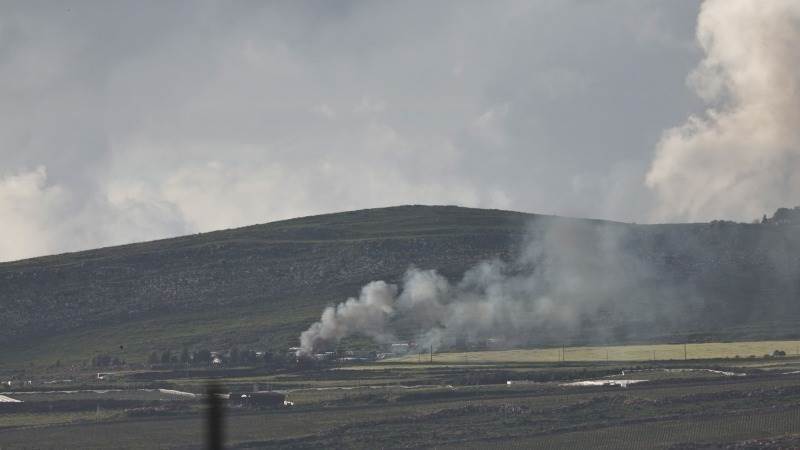
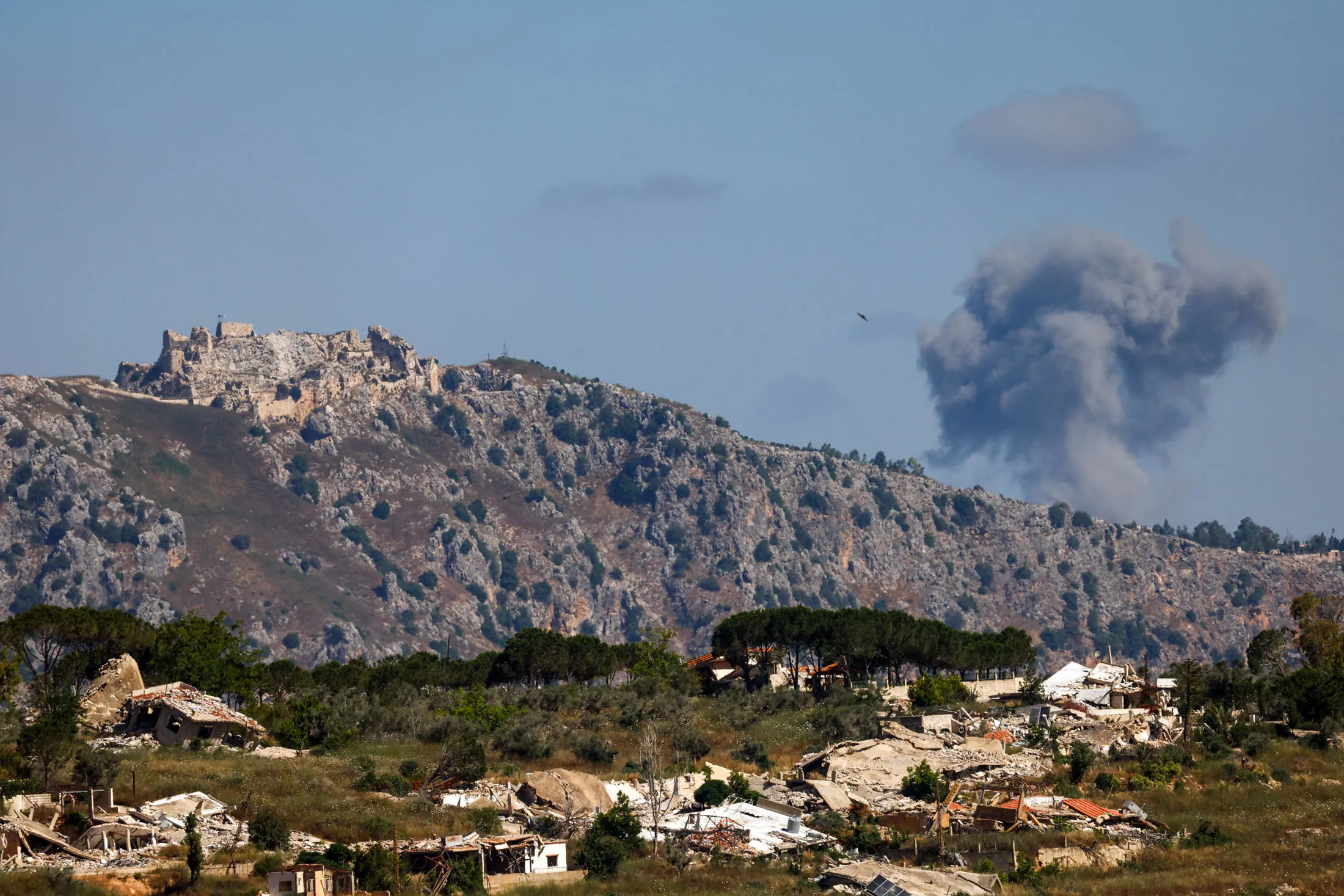
Fighting has significantly intensified in southern Lebanon, marking a substantial increase in hostilities across the border region. This escalation has been characterized by a series of military engagements and retaliatory actions. A notable incident involved an Israeli strike near Beaufort Castle in southern Lebanon, which produced visible smoke on June 19, further indicating the heightened level of conflict. The castle, a historic site with deep cultural significance, is situated in a region that has seen recurrent clashes between opposing forces. These escalating events contribute to the broader instability that has gripped the area, making diplomatic efforts more challenging. The persistent military activity has raised concerns among international observers about the potential for wider regional destabilization.
Stalled Diplomatic Efforts
The postponed negotiations between the United States and Iran were originally scheduled to occur in Switzerland on Friday. These high-stakes discussions were intended to address the intricate details of a permanent peace deal and the contentious aspects of Tehran’s nuclear program. The delay in convening these talks has been directly linked to the ongoing fighting in Lebanon, as reported by sources close to the diplomatic efforts who spoke on condition of anonymity due to the sensitivity of the matter. The specific new date for the U.S.-Iran talks has not yet been announced, creating an atmosphere of uncertainty regarding the future of these key discussions. This diplomatic setback comes amidst heightened tensions across the Middle East, with particular focus on the recent escalation of hostilities in southern Lebanon. The continued clashes have created an unstable environment, complicating efforts to bring the two nations to the negotiating table for critical discussions on regional stability and nuclear proliferation. The decision to postpone shows the direct impact of regional conflicts on broader international diplomatic initiatives, noting the interconnectedness of security and foreign policy.
Broader Regional Impact
The clashes in southern Lebanon involved Israel and Iran-backed Hezbollah militants, marking a direct confrontation between these long-standing adversaries. This ongoing conflict contributes significantly to regional instability, influencing broader diplomatic efforts and potentially undermining attempts at de-escalation. The confrontation between these entities has been identified as a key factor in the current delay of critical discussions between the United States and Iran. The involvement of Iran-backed Hezbollah militants shows the regional dimensions of the conflict, as the group is a significant non-state actor with considerable influence in Lebanon. The persistent hostilities risk drawing in other regional players, further complicating an already delicate geopolitical landscape. The ripple effects of this conflict are being closely monitored by international bodies and governments concerned about the security implications for the wider Middle East. The inability to proceed with the planned US-Iran talks illustrates how localized conflicts can derail even the most pressing international diplomatic agendas.