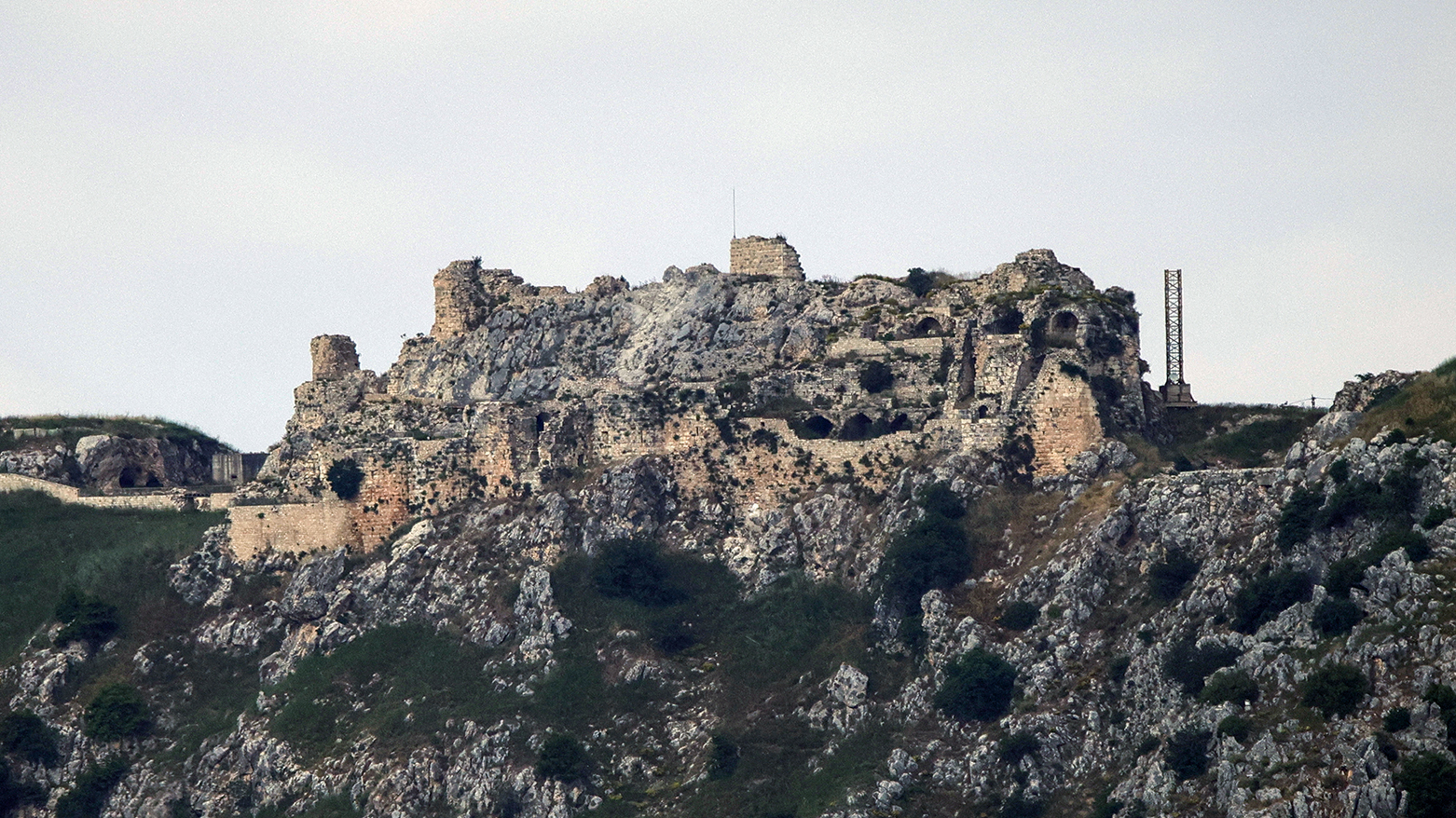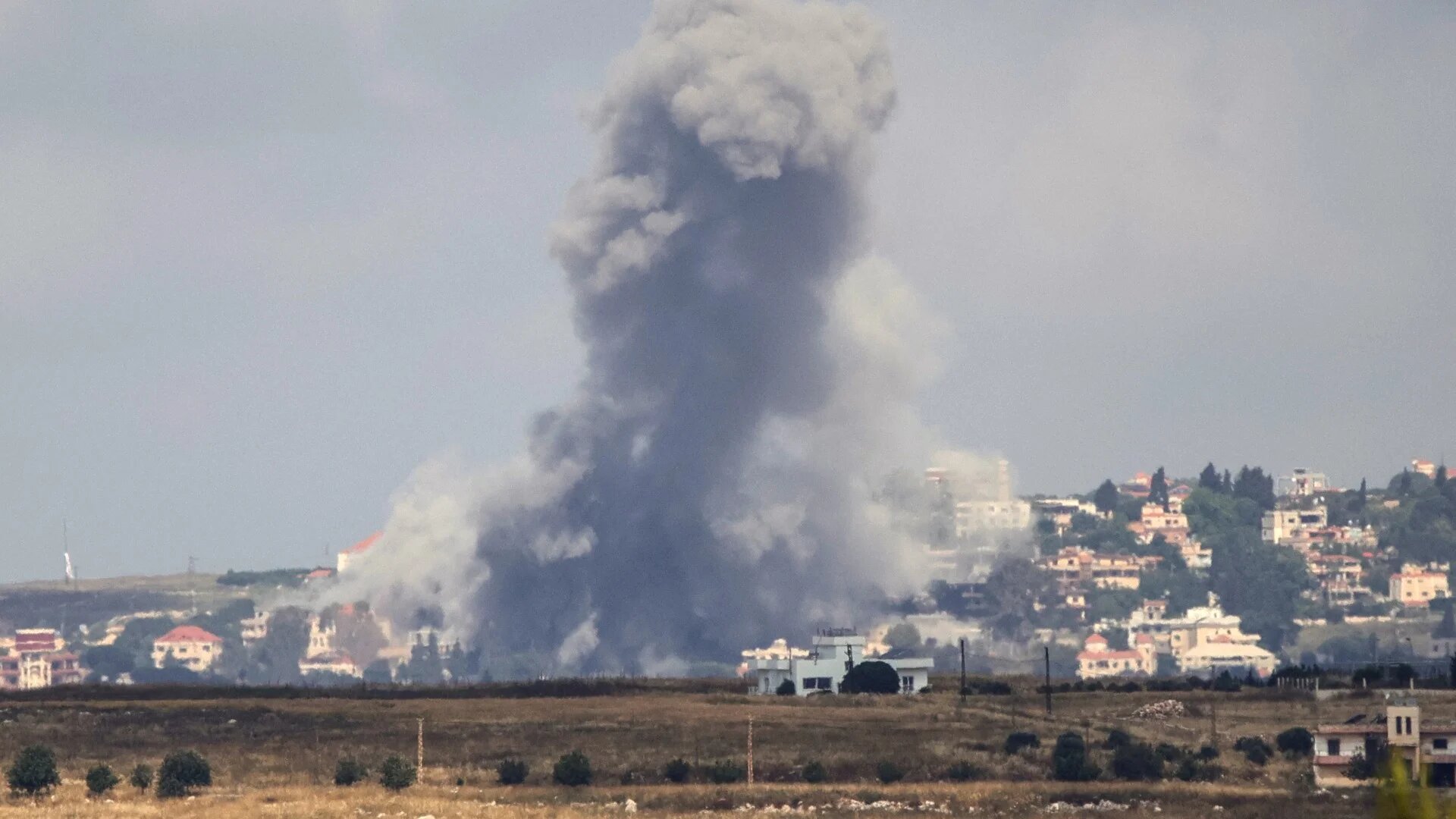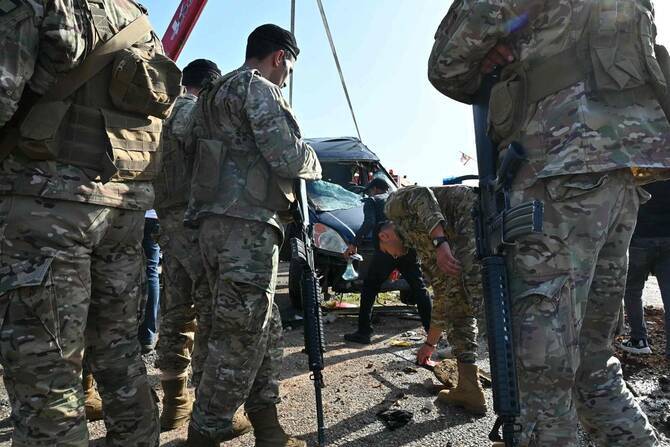
Lebanon's military announced on Saturday that a "targeted" Israeli strike in southern Lebanon wounded two soldiers. The incident occurred as the state-run National News Agency (NNA) reported Israeli airstrikes and artillery shelling near the Crusader-built Beaufort castle, located approximately 15 kilometers (9 miles) from the Israeli border. This strike, which wounded the two soldiers, marks a significant escalation in the ongoing conflict in the region. Hezbollah stated its subsequent attack was in retaliation for Israeli airstrikes that killed civilians in Lebanon, showing the cycle of violence gripping the border areas. The situation remains tense, with both sides exchanging fire and rhetoric.
Intensified Southern Front
Israel’s military issued evacuation warnings for more than a dozen villages in southern Lebanon, indicating a widening scope of its operations. The state-run National News Agency (NNA) reported multiple airstrikes on different parts of southern Lebanon throughout the day, noting the intensity of the Israeli military's actions. Among these, the village of Ansar experienced a particularly devastating airstrike that killed three people, further adding to the civilian toll of the conflict. These attacks have caused widespread alarm and displacement among the local population.
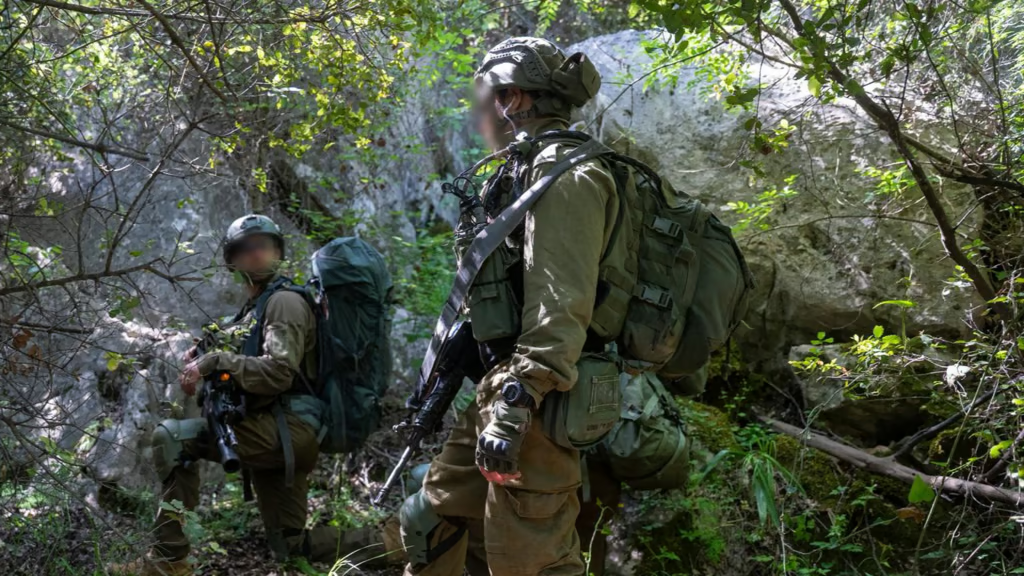
Israeli troops have been advancing for days in villages close to the Beaufort castle, including Yohmor and Zawtar Al-Sharqieh near the city of Nabatieh. This movement occurred after they crossed the strategic Litani River, a geographical landmark that has historically played a role in regional conflicts. The advance of Israeli forces into these areas signifies a deeper engagement within Lebanese territory. A drone strike on a road linking the village of Ebba with Nabatieh wounded two Lebanese soldiers, illustrating the varied tactics being employed in the conflict zone. The presence of Israeli forces in these southern Lebanese villages has been met with strong condemnation from Lebanese authorities.
Context and Escalation Dynamics
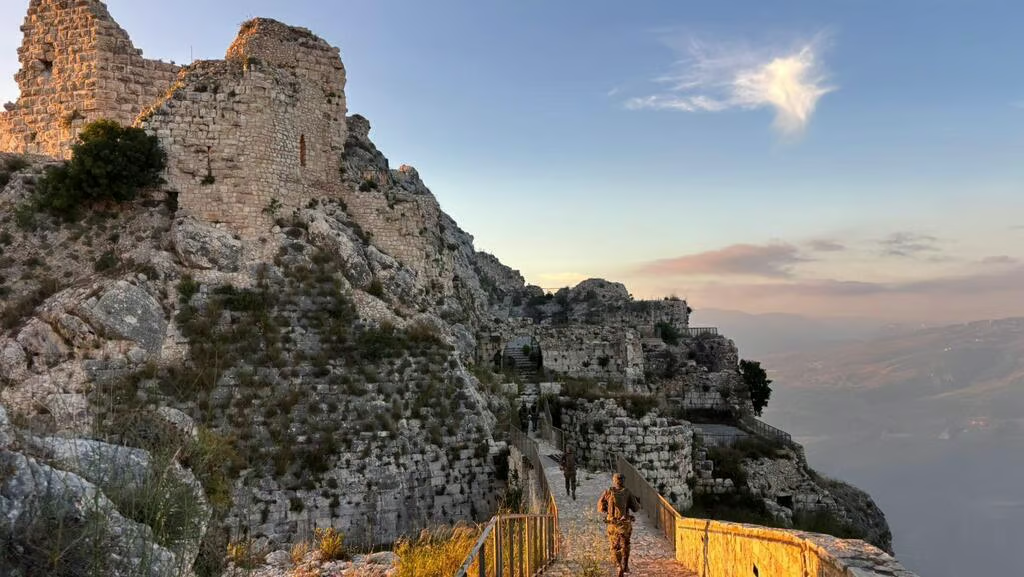
Large areas to the south are currently under Israeli military control, despite a US-brokered ceasefire agreement that took effect on April 17. The continued military presence and operations in these areas, despite the ceasefire, have raised concerns about the effectiveness and adherence to the agreement. The Beaufort castle, a significant historical site, was previously under Israeli troop control for 18 years until their withdrawal from Lebanon in May 2000, a historical context that adds another layer of complexity to the current situation. The latest Israel-Hezbollah war started on March 2, when Hezbollah fired rockets into northern Israel two days after Israel and the US attacked Iran. This event marked a significant turning point, triggering the current intense phase of hostilities.
The ongoing conflict has resulted in a substantial humanitarian toll, with an estimated 3,350 fatalities recorded in Lebanon. This grim statistic shows the severe human cost of the prolonged hostilities. The escalation has led to the displacement of over 1 million people within the country, creating a severe humanitarian crisis. These displaced individuals often face precarious living conditions, lacking adequate shelter, food, and medical care, placing immense strain on Lebanon's already fragile infrastructure and resources. The widespread displacement also notes the profound impact of the conflict on civilian populations, forcing countless families to flee their homes in search of safety. The humanitarian consequences of the conflict continue to mount, drawing urgent calls for international intervention and aid.
Lebanese and Hezbollah Response
Lebanese Prime Minister Nawaf Salam denounced what he called a "dangerous and unprecedented" Israeli escalation in the south, urging an immediate ceasefire. Salam described the actions as a "scorched-earth policy," a term that conveys the devastating and indiscriminate nature of the military operations. He urged the international community to pressure Israel to cease its operations, stating that a ceasefire is the "least costly path" to de-escalation and stability in the region. His strong words reflect the Lebanese government's deep concern over the intensity and scope of the Israeli military actions.
Following these calls for de-escalation, Hezbollah announced its fighters fired rockets at Kiryat Shmona, northern Israel’s largest city. This retaliatory strike by Hezbollah shows the tit-for-tat nature of the conflict, where each action by one side often prompts a response from the other. The group later confirmed it also fired rockets toward the northern city of Safed, further widening the geographical scope of its rocket attacks into northern Israel. These rocket barrages by Hezbollah are often presented as responses to Israeli military actions in Lebanon, perpetuating the cycle of violence. The targeting of Israeli cities by Hezbollah adds another layer of complexity and danger to the conflict, increasing the risk of further escalation.
Among those killed in southern Lebanon on Friday were a Syrian family who died in an Israeli airstrike on the coastal village of Adloun. The family included Qais Al-Bakir, his pregnant wife, and their six children, a tragic loss that notes the devastating impact of the conflict on innocent civilians. The Al-Bakir family had previously fled to Lebanon from the central Syrian province of Hama after the fall of Bashar Assad in Syria in December 2024, seeking refuge from another conflict only to be caught in the crossfire in Lebanon. Their story is a stark reminder of the broader regional instability and the plight of those displaced by conflict. The deaths of the Al-Bakir family have drawn widespread condemnation and further intensified calls for an immediate cessation of hostilities and protection of civilians.