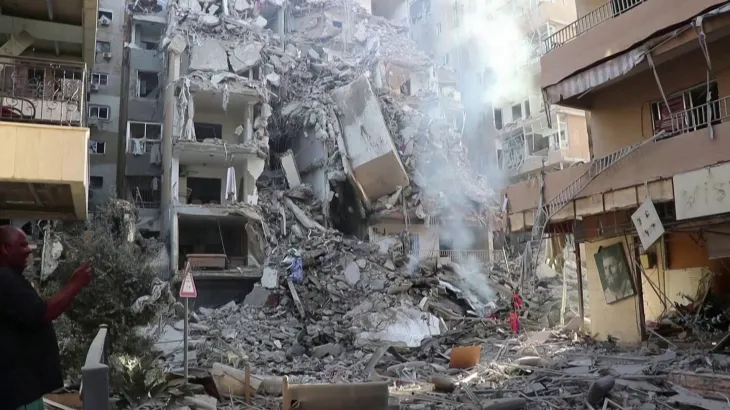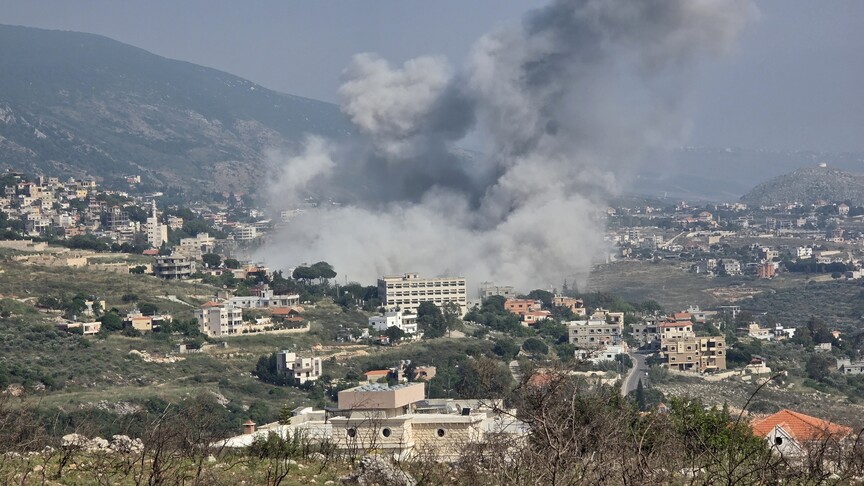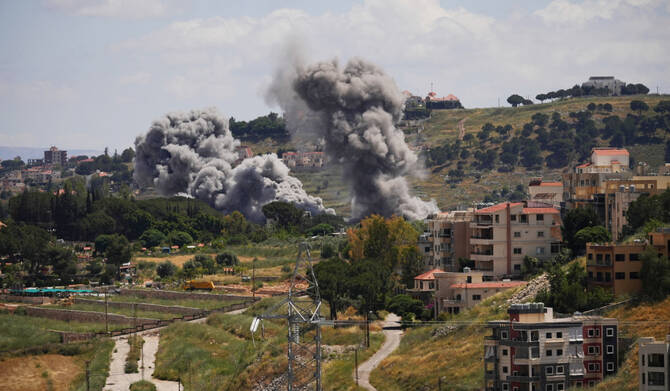
Lebanese authorities on Thursday condemned Israeli attacks near UNESCO-protected historic sites and landmarks in the country’s south. The ancient city of Tyre, a designated UNESCO World Heritage site since 1984, and Beaufort castle in the Nabatieh district were specifically identified as locations affected by the attacks. These sites are among those receiving international recognition for their historical and cultural significance. The Lebanese government has expressed grave concerns over the targeting of these invaluable heritage locations. In April, UNESCO added another 39 Lebanese sites to its list for protection, showing the profound cultural significance of the affected areas in south Lebanon and the broader national heritage.
Israeli Strikes on Tyre
Israel has issued repeated evacuation warnings to swathes of the southern coastal city of Tyre in recent days, subsequently carrying out heavy strikes in the area. The warnings have created an atmosphere of alarm among residents and heritage preservationists alike. Early Thursday, Israel’s military warned it would target a building in Tyre located very close to the city’s archaeological zone, which encompasses significant Roman and Byzantine ruins. This warning noted the immediate threat posed to the ancient city's irreplaceable historical fabric. A strike then hit the district in Tyre approximately two hours after the military issued its warning, raising fears about potential damage to the nearby archaeological remains. The proximity of military operations to the ancient city's core has drawn sharp criticism from Lebanese officials, who emphasize the need to protect cultural heritage even amidst conflict.
Beaufort Castle Under Fire
The municipality of Arnoun reported that Israeli bombardment targeted the historic Beaufort castle. This medieval crusader fortress holds immense historical value and offers panoramic views of the Litani River. On Wednesday, smoke was observed rising near Beaufort castle following what appeared to be artillery fire, indicating direct impact or very close proximity to the ancient structure. This site is also known as Qalaat Al-Chakif. Its strategic location has made it a point of contention throughout history. Israeli forces utilized Beaufort castle as a base during their two-decade occupation of southern Lebanon, which concluded in the year 2000, showing its enduring military importance. The castle, a significant historical landmark, is located in the Nabatieh district, an area that has seen increased military activity and cross-border shelling. The reported bombardment near Arnoun marks another instance of historic sites being affected by ongoing hostilities in the region, prompting calls for international intervention to safeguard these cultural treasures.
Official Condemnation and Appeals
Lebanon's Culture Minister Ghassan Salame engaged in extensive communications with international counterparts and organizations to highlight the damage sustained by archaeological sites and heritage districts in south Lebanon. Minister Salame made numerous contacts with counterparts worldwide and international organizations to draw attention to damage to archaeological sites and heritage districts in south Lebanon, emphasizing the irreversible loss that military actions could inflict. These efforts aimed to draw global attention to the impact of recent hostilities on the country's cultural heritage and to mobilize support for its protection. The minister's outreach included discussions with UNESCO officials and other cultural heritage bodies, seeking their urgent intervention. In November 2024, the United Nations Educational, Scientific and Cultural Organization (UNESCO) moved to grant 'provisional enhanced protection' to 34 heritage sites across Lebanon. This significant designation includes key locations such as the ancient city of Tyre and Beaufort Castle, both of which have been identified as being near recent Israeli attacks. The enhanced protection status from UNESCO is intended to provide additional safeguards for these culturally significant sites amid ongoing regional tensions, placing them under increased international scrutiny and protection under international law.