Israeli strikes in Lebanon have resulted in over 3,111 fatalities and 9,342 injuries since March 2, the Lebanese Ministry of Health announced. The updated casualty figures show the ongoing impact of military operations in the region, painting a grim picture of the human cost incurred by the persistent conflict. These numbers reflect a continuous escalation of violence along the border.
Escalating Casualties Reported
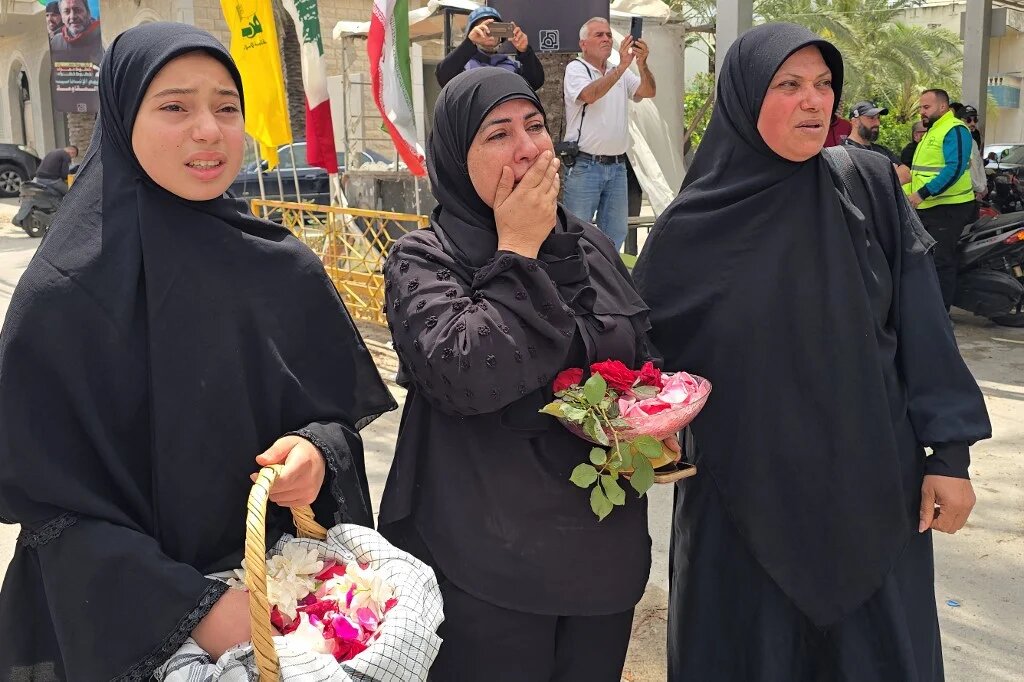
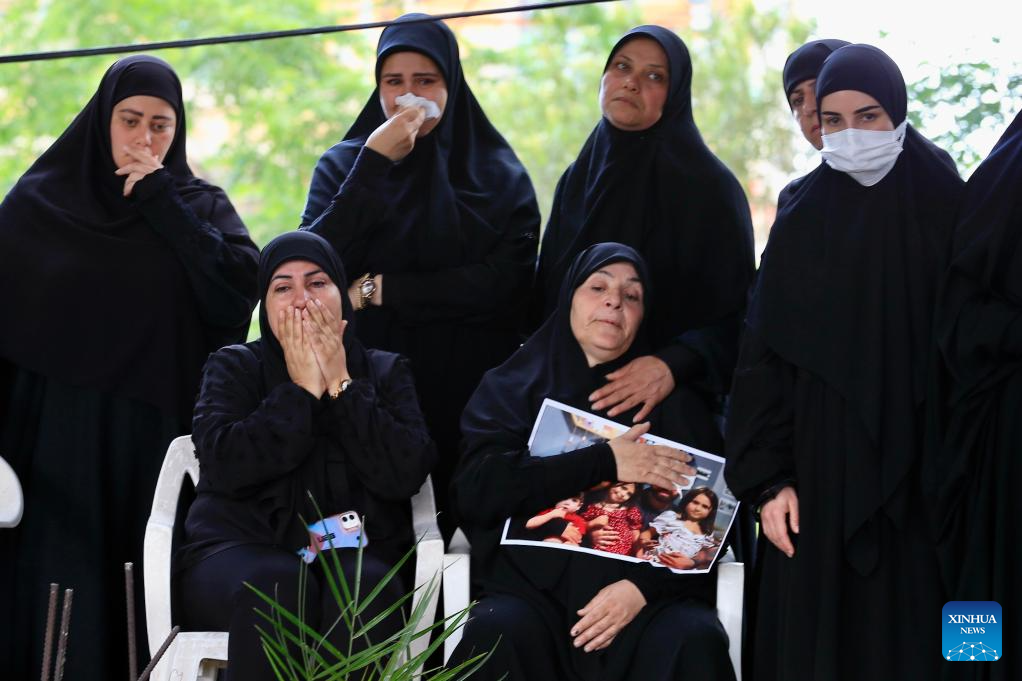
The Lebanese Ministry of Health reported that the total number of fatalities in Lebanon has increased to over 3,111 following Israeli strikes. This significant rise in the death toll notes the severity and frequency of military engagements. The Ministry also stated that the number of injured individuals has reached 9,342 since March 2, indicating widespread impact beyond just fatalities. These figures include casualties from various locations, with reports indicating significant impact in Southern Lebanon, a region frequently at the forefront of cross-border hostilities. Incidents have been documented in areas such as Kfar Tebnit and Tyre, where security sources identified targets of the recent operations. The ongoing military actions between Israel and groups in Lebanon have contributed to the rising casualty count, as both sides continue to exchange fire in the border region. The sustained nature of these operations has placed immense strain on local communities and emergency services.
Recent Attacks Detailed
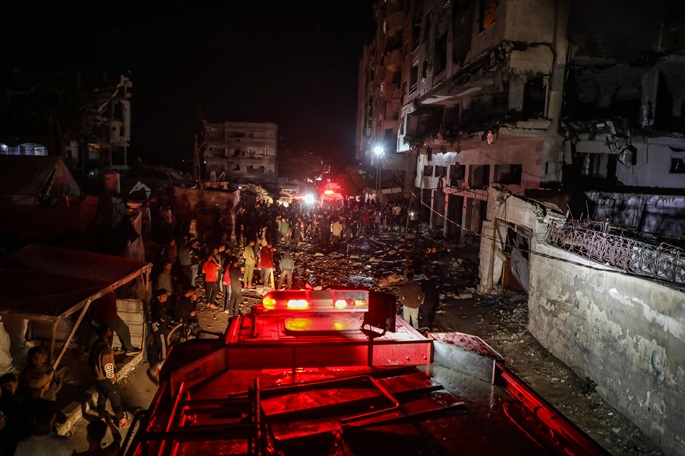
Israeli forces conducted an airstrike against Kfar Tebnit in Southern Lebanon on Friday, according to local reports. This strike was one of several recent operations contributing to the escalating casualty figures. On the same day, two additional strikes were carried out on Tyre, also located in Southern Lebanon. These operations are part of the ongoing military activities in the region, which have contributed to the escalating casualty figures reported by the Lebanese Ministry of Health. The strikes occurred amidst continued exchanges of fire between Israeli forces and groups operating from Lebanese territory. The precision and frequency of these attacks have been a consistent feature of the recent military engagements, impacting civilian infrastructure and residential areas in addition to alleged military targets.
Ceasefire Concerns Raised
Israeli strikes have continued in Lebanon despite an ongoing ceasefire agreement, raising concerns about the stability of the current cessation of hostilities. This persistence of military activity directly challenges the integrity of the ceasefire, leading to questions about its effectiveness and enforcement. The continued military activity has been observed even as efforts to maintain the ceasefire are reportedly underway, indicating a complex and fragile security situation. This persistence of strikes has drawn attention to the challenges of upholding agreements in the volatile border region, where local dynamics often complicate broader diplomatic efforts. The repeated violations of the ceasefire agreement undermine trust and make de-escalation more difficult, posing a significant risk to regional peace.
Broader Regional Context
The ongoing military actions in Southern Lebanon are occurring within a broader regional context of heightened tensions. These operations are linked to the wider conflict in Gaza, which has seen continuous fighting and humanitarian challenges, creating a ripple effect across the Middle East. The exchanges of fire between Israel and groups in Lebanon have contributed to a volatile environment along the border, impacting communities in places like Kfar Tebnit and Tyre, which bear the brunt of these hostilities. Escalations in Southern Lebanon reflect the interconnected nature of security dynamics across the region, where events in one area often have repercussions for neighboring territories. The sustained violence shows the urgent need for a full resolution to the broader regional instability.