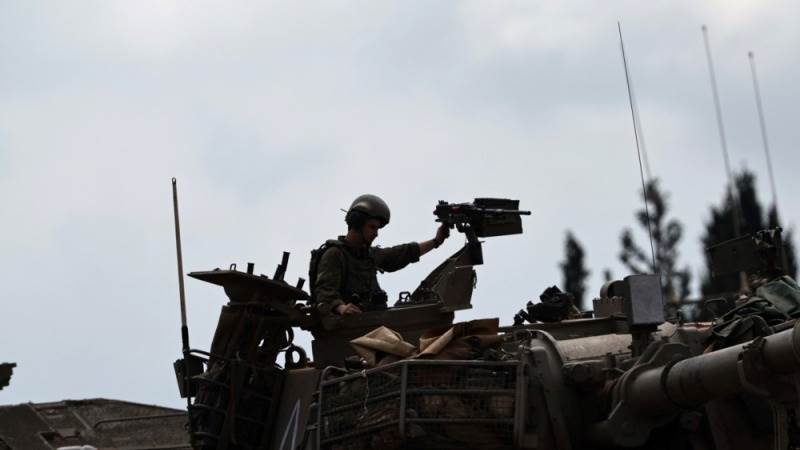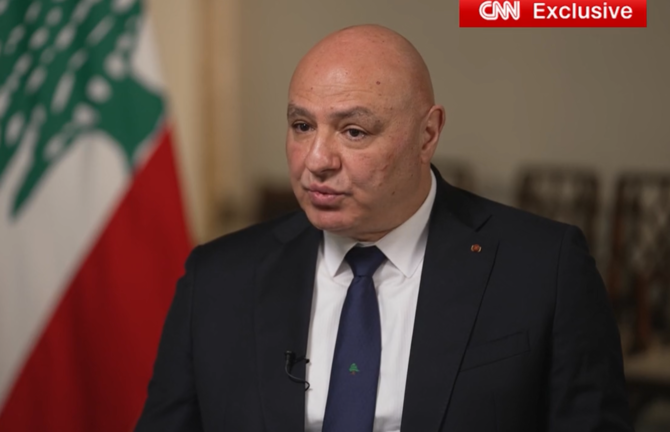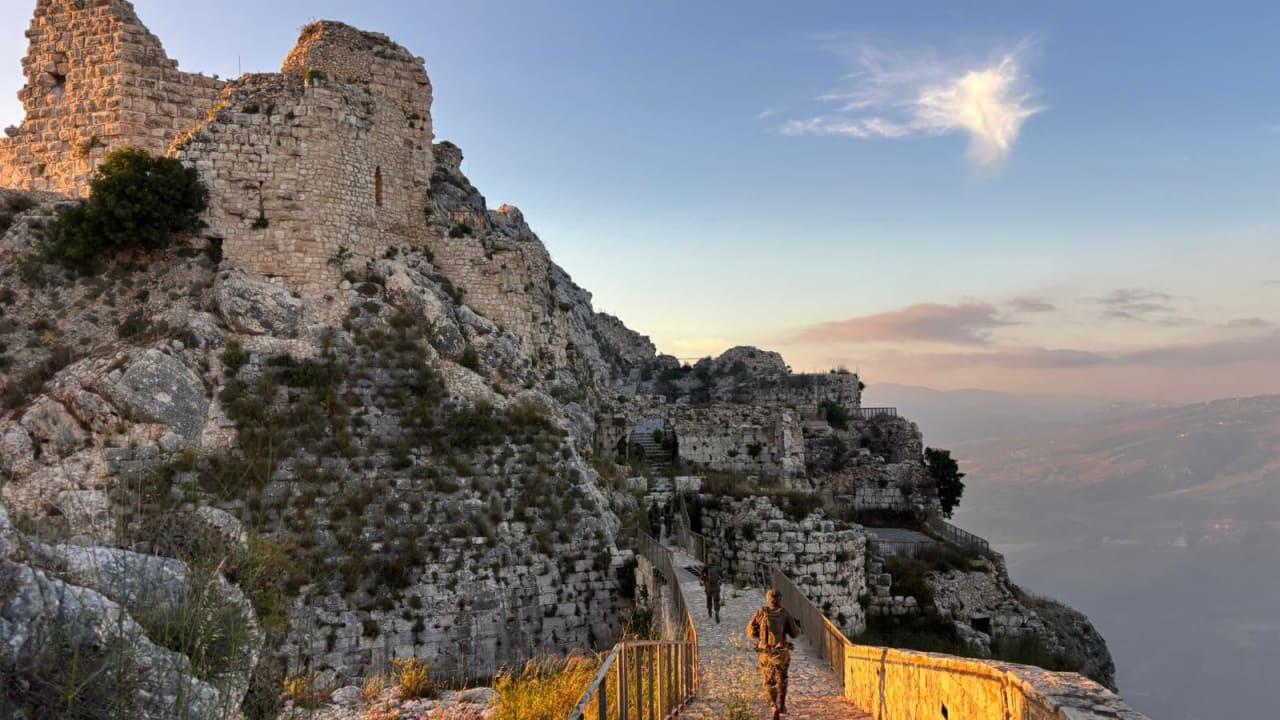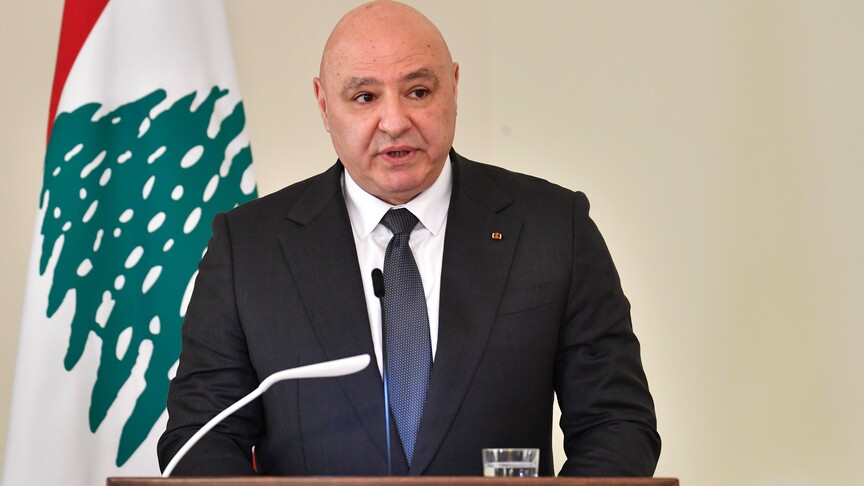
Lebanese President Joseph Aoun condemned the killing of three Lebanese soldiers in an Israeli strike in southern Lebanon on Saturday, calling the attack a "flagrant violation." Reports indicated the strike killed two officers and a soldier, identified as a brigadier general, a captain, and a soldier. Hezbollah condemned the attack as a deliberate crime and accused Lebanese authorities of making concessions that encouraged further Israeli actions. The war began on March 2, when Hezbollah fired rockets at northern Israel, two days after Israel and the U.S. Began their attacks on Iran. Israel has since launched a ground invasion of Lebanon and carried out wide attacks in the country.
Lebanon's Outrage and Israeli Response
The Israeli army acknowledged targeting a Lebanese military vehicle and stated the incident is being reviewed. The Israeli attack targeted a Lebanese army patrol on the Khardali-Nabatieh road in an active combat zone, where the army identified a vehicle moving suspiciously toward its forces near Kfartebnit. The Israeli military stated that it operates against Hezbollah and not against the Lebanese army. Prime Minister Nawaf Salam described the strike as "a crime" and an attack against Lebanon and all Lebanese people. The Lebanese army responded by saying, "The continued, deliberate, and repeated Israeli aggression against Lebanon, its people and its army only strengthens our resolve, faith and determination." Iranian Foreign Minister Abbas Araghchi responded to criticism by stating, "Had Lebanon been a bargaining chip for Iran, we'd have a deal long ago. Save Lebanon from your real foe, Mr. President," and adding, "one would think it's Iran that has occupied a fifth of Lebanon, displaced a quarter of Lebanese and is bombing his country on daily basis."
Ceasefire Efforts and Hezbollah's Stance
A fragile ceasefire, in place since April 17, was extended by Washington until early July. The latest ceasefire announced in Washington came about through U.S.-brokered talks between Israel and Lebanon's government. Four rounds of these talks concluded on Thursday, resulting in the US, Lebanon, and Israel announcing a declaration of intent. The declaration included a complete halt to Hezbollah fire and the withdrawal of the group’s fighters from areas south of the Litani River. Hezbollah, however, has refused the truce. Hezbollah Secretary-General Naim Qassem rejected the outcome of the talks, stating they were unacceptable to broad segments of the Lebanese population. On Friday, Lebanon's President Joseph Aoun and the prime minister criticized Iran for opposing the latest ceasefire deal.
Broader Conflict and Human Cost
Israel has intensified its military campaign in Lebanon since March 2, amidst a broader regional conflict linked to its war with Iran. According to Lebanese figures, Israeli attacks have killed 3,558 people and injured 10,870 others in Lebanon, displacing more than one million people. More than 3,500 people have been killed in Lebanon since the war began, and Israeli troops have seized around a fifth of the country. The fighting has also resulted in the deaths of at least 29 Israeli soldiers and three civilians. In one incident, an airstrike on the southern Lebanese village of Saksakiyah killed six people and wounded four. The Israeli army claimed it received a warning about gunfire directed at its troops in the area and stated that intelligence indicated extensive Hezbollah activity there.