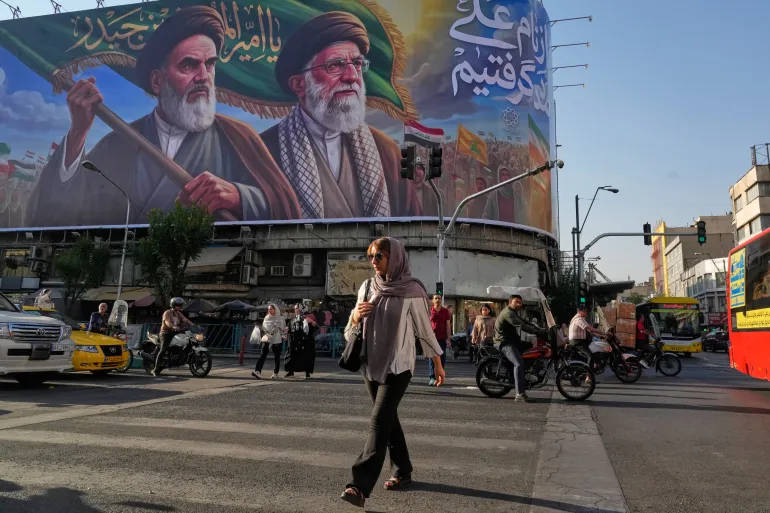
Hezbollah, the Lebanese armed group, attacked Israel on Sunday, escalating tensions between the two nations. The militant organization, which is funded and overseen by Tehran, launched the assault from Lebanon. This direct engagement by the Iranian-backed group marks a significant escalation amidst heightened regional instability. The attack by Hezbollah, a powerful Shiite political party and militant group in Lebanon, signals a deepening involvement in the broader regional conflict, drawing Lebanon further into the proxy battle between Iran and Israel. Hezbollah's role as a key Iranian proxy has long been a point of contention and a source of instability in the region, with its actions often reflecting the strategic interests of Tehran. The group's capacity to launch significant attacks against Israel shows its military strength and its strategic importance to Iran's regional influence.
Escalating Attacks and Retaliation
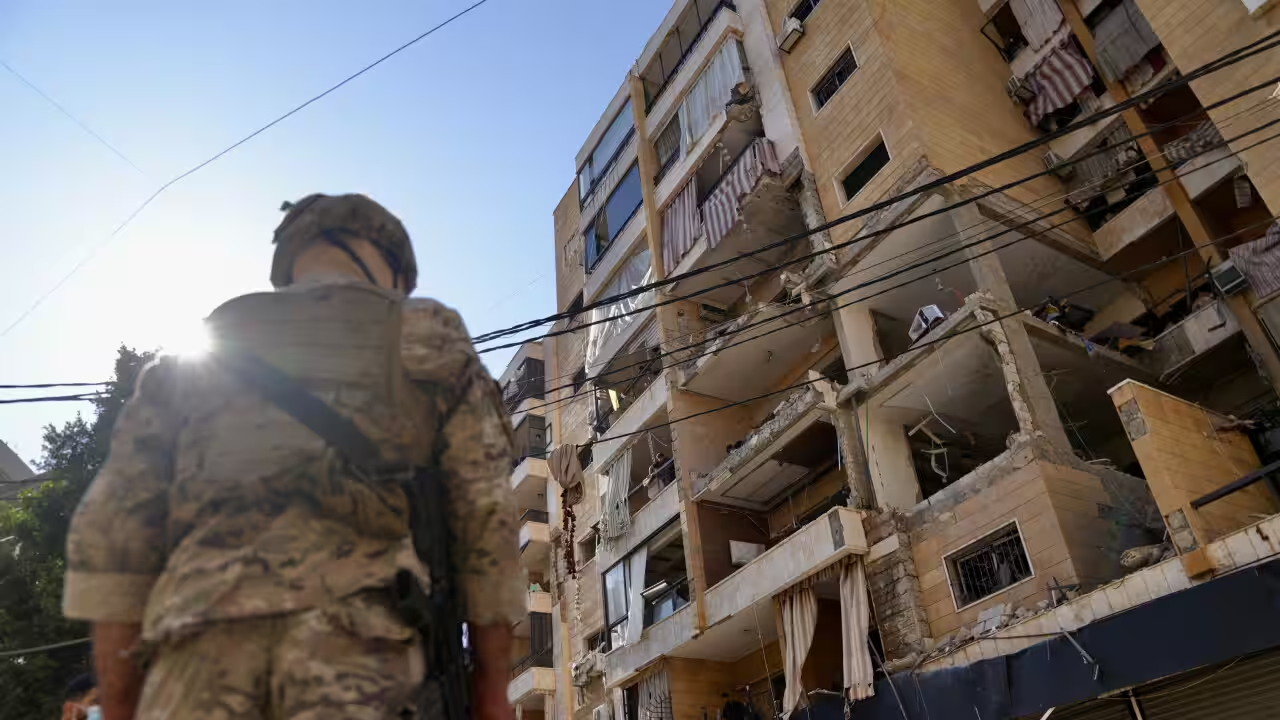
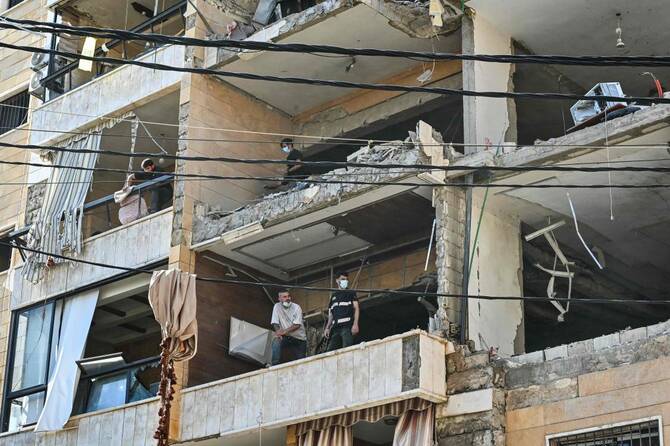
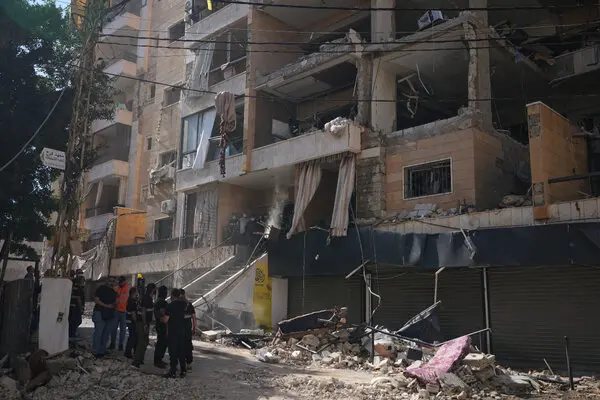
Israel responded to the Hezbollah attack with retaliation in Beirut’s southern suburbs. This immediate counter-action noted the rapid escalation cycle characteristic of the conflict, demonstrating Israel's commitment to responding forcefully to perceived threats from Lebanese territory. Iran subsequently demanded a halt to the Israeli offensive against Hezbollah. This demand was part of a truce with the United States and Israel that had gone into effect in April. The April truce aimed to de-escalate regional tensions and included provisions for various parties to cease hostilities. Iran's call for Israel to stop its operations against Hezbollah shows the intricate connections between regional conflicts and broader diplomatic agreements, revealing the fragile nature of attempts to maintain peace. The truce, intended to stabilize the volatile situation, appears to be under severe strain as direct military engagements between the involved parties intensify.
Lebanon's Devastating Toll
Lebanon's government has been negotiating with Israel in hopes of ending the war, even though it is not a party to the conflict. The ongoing Israeli military assault in Lebanon has resulted in significant human cost, according to Lebanese officials. More than 3,000 people have been killed, and over one million individuals have been displaced within the country due to the hostilities. The humanitarian crisis unfolding in Lebanon is immense, with a substantial portion of the population now internally displaced and facing severe challenges. The destruction of infrastructure and the loss of life have placed an enormous burden on the Lebanese state, which is already grappling with its own economic and political crises. Lebanese officials have repeatedly called for international intervention to halt the violence and alleviate the suffering of their citizens, emphasizing the disproportionate impact of the conflict on a nation that officially remains neutral. The sheer scale of casualties and displacement paints a grim picture of the conflict's devastating consequences for the Lebanese civilian population.
Iran's Strategic Leverage
Iran then attacked northern Israel, responding to strikes in the Beirut area. This action followed earlier demands by Tehran for Israel to cease its offensive against Hezbollah. Mohammad Bagher Ghalibaf, the speaker of Iran’s Parliament, stated that Iran had "disrupted the equation of a cease-fire on paper and its repeated violations in the field." His remarks suggest a shift in the regional dynamics, indicating a more direct Iranian involvement in response to perceived breaches of existing agreements. The Iranian assault on northern Israel shows Tehran's willingness to engage directly in the conflict, further complicating efforts to de-escalate tensions in the region. This direct engagement by Iran represents a significant departure from previous patterns, where proxy groups often conducted such operations. Ghalibaf's strong statement signals a strategic decision by Iran to assert its influence more overtly, potentially reshaping the regional power balance and increasing the risk of a wider confrontation. The disruption of the "cease-fire on paper" notes the deep mistrust and fundamental disagreements that continue to fuel the conflict, making any lasting resolution increasingly challenging.
Israel's Unwavering Stance
Israel continued its invasion of Lebanon, vowing to keep occupying parts of southern Lebanon until Hezbollah was disarmed. This resolute stance from Israel shows its long-standing security concerns regarding Hezbollah's presence near its northern border. On Monday, Israeli Defense Minister Israel Katz insisted that Israel remained willing to risk another escalation with Iran if it saw a need to strike Beirut. Katz's statement showed Israel's firm position amid escalating regional tensions. The ongoing military actions and declarations reflect a persistent Israeli strategy regarding the security of its northern border, aiming to neutralize what it perceives as a significant and immediate threat. The determination to disarm Hezbollah, even at the cost of prolonged occupation, indicates the high priority Israel places on this objective. Katz's remarks further illustrate Israel's preparedness for a potential expansion of the conflict, signaling that its red lines extend to the capital of Lebanon if deemed necessary for its security. This unwavering stance adds another layer of complexity to the already volatile situation, making a swift resolution increasingly unlikely.