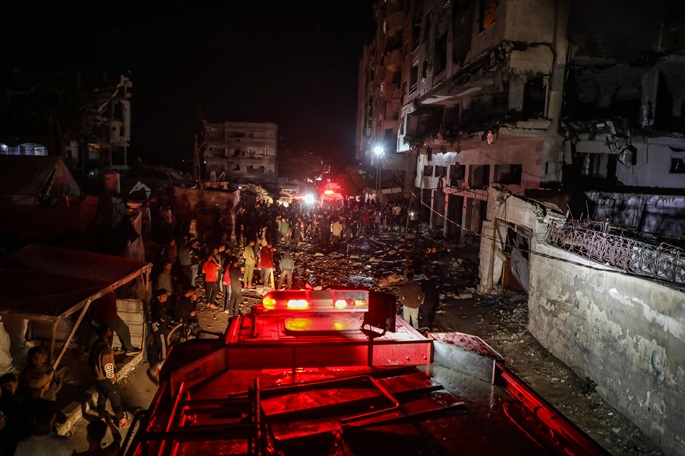
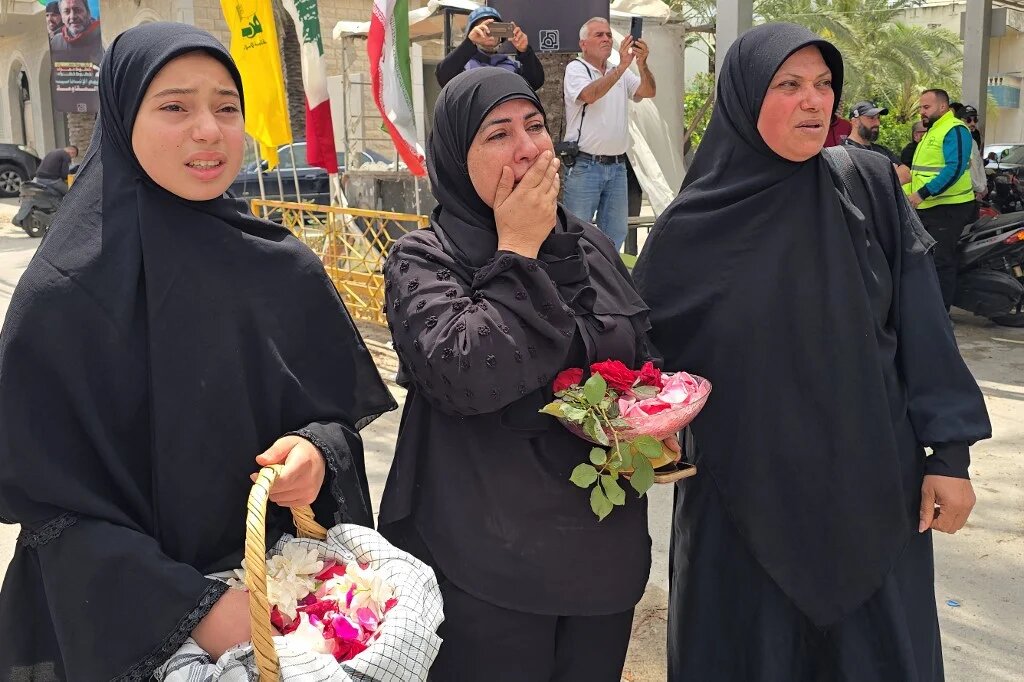
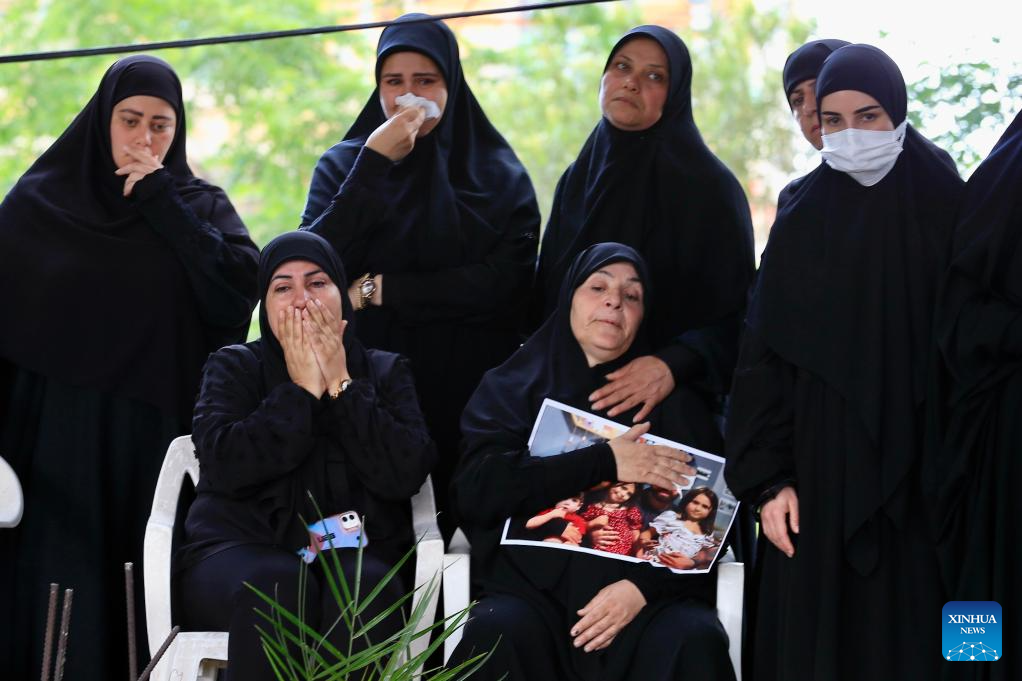
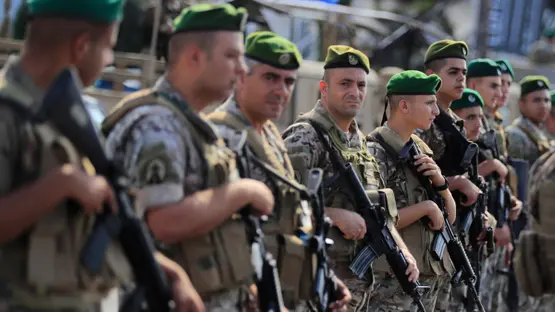
Mourners gathered in the southern Lebanese town of Deir Qanoun al-Nahr on Thursday to bury the victims of an Israeli airstrike earlier this week. The strike killed 14 people, making it the deadliest single bombing raid on Lebanon since the announcement of a tenuous ceasefire last month. The toll from the incident included four children and three women, according to Lebanon's Health Ministry, noting the severe civilian impact of the ongoing conflict. The somber ceremony showed the deep grief and continued suffering of communities in southern Lebanon amidst persistent hostilities.
Details of the Deir Qanoun Strike
The bombing raid, which occurred earlier this week, devastated several families in Deir Qanoun al-Nahr. Among those killed was Ali Reda Dibo's 33-year-old brother, his wife, and their three young children: a one-year-old son and two daughters aged six and eight. The profound loss for the Dibo family reflects the wider tragedy experienced by the community. Ali Reda Dibo, visibly distraught, expressed the collective anguish, stating, "They were children, angels, what more can we say? There is nothing left to say after what you are seeing today, nothing at all." His words echoed the sentiments of many residents grappling with the aftermath of the strike and the continuous cycle of violence.
The Israeli military, in response to the incident, claimed it "struck a Hezbollah terrorist in a structure used for military purposes in the area of Deir Qanoun in southern Lebanon." This statement provided the Israeli military's justification for the operation. According to the Israeli military, the area had been evacuated of civilians before the strike, a claim that Lebanese authorities and local residents have often disputed in similar past incidents. They also stated that precise munitions and aerial surveillance were employed to mitigate harm during the operation, seeking to show their efforts to avoid civilian casualties. Despite these assertions, the high civilian death toll in Deir Qanoun al-Nahr has drawn significant international concern and condemnation.
Fighting has persisted despite the U.S.-brokered ceasefire that was announced last month, leading to a continuous state of tension and sporadic violence along the border. Both sides have accused the other of truce violations since the agreement was put in place, indicating a fragile and largely ineffective cessation of hostilities. The ongoing exchanges show the deep mistrust and entrenched nature of the conflict, making a lasting peace increasingly difficult to achieve.
Broader Conflict Context
The recent strike in Deir Qanoun al-Nahr is part of a broader pattern of conflict that has severely impacted civilian populations in southern Lebanon. Israel has issued orders for residents in southern Lebanese towns to evacuate their homes and move north, even amidst the ceasefire agreement, contributing to a significant humanitarian crisis. These directives have been a major factor in the mass displacement seen across the region. Lebanese authorities report that more than one million people have been displaced due to these evacuation orders and Israel's ongoing bombing campaign, creating immense strain on resources and infrastructure in safer areas further north. The displacement has led to overcrowded shelters, a shortage of essential services, and a profound disruption to daily life for a vast segment of the Lebanese population.
Since March 2, Israeli strikes on Lebanon have resulted in the deaths of more than 3,070 people, according to official figures. The Lebanese Health Ministry specified that this grim toll includes over 200 children, nearly 300 women, and more than 110 health-care workers, noting the disproportionate impact on vulnerable groups and essential service providers. The loss of life among medical personnel further exacerbates the humanitarian crisis, as healthcare systems are already stretched thin. In contrast, Israeli authorities have stated that 20 soldiers and four civilians have been killed in the fighting, reflecting a significant disparity in reported casualties between the two sides. The widespread displacement and casualties show the conflict's severe impact on civilian populations and infrastructure in the region, drawing calls for greater international intervention and protection for civilians.
The U.S.-brokered ceasefire, announced on April 16, was intended to halt hostilities between Israel and Lebanon, following months of escalating cross-border exchanges. This agreement was widely hoped to bring a much-needed respite to the affected communities. However, despite the ceasefire, Israeli strikes have continued in southern Lebanon, leading to a significant civilian death toll and widespread displacement. The recent incident in Deir Qanoun al-Nahr, which resulted in 14 deaths, marks the deadliest single Israeli bombing raid on Lebanon since the April 16 ceasefire was announced, demonstrating the continued fragility of the agreement. The ongoing conflict has severely impacted civilian populations, with Lebanese authorities reporting over one million people displaced from their homes. The Lebanese Health Ministry has documented more than 3,070 deaths since March 2 due to Israeli strikes, including over 200 children and nearly 300 women, painting a stark picture of the human cost of the prolonged hostilities.