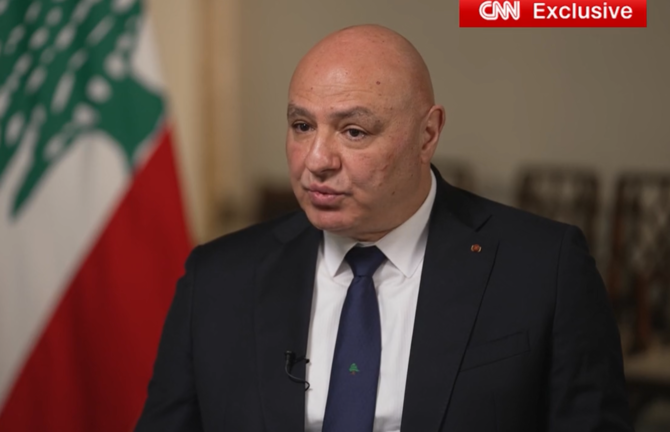
Lebanon’s army commander, General Rudolf Haykal, is traveling to Pakistan for an official visit. The Lebanese military announced the travel on June 6, 2026, at 18:40 BST. General Haykal is undertaking the visit at the invitation of his Pakistani counterpart, Field Marshal Asim Munir. This high-level engagement between the two military leaders shows the diplomatic significance of the trip, as both nations navigate complex regional dynamics. The visit is expected to involve discussions on bilateral military cooperation and broader security concerns affecting the Middle East.
Pakistan's Mediation Role
Pakistan is currently engaged in mediation efforts aimed at halting the ongoing conflict, according to reports. These diplomatic initiatives are part of a broader push to de-escalate regional tensions that have gripped the Middle East. The visit by Lebanon's army chief, General Rudolf Haykal, to Pakistan occurs amidst these critical developments, noting the urgency and importance of the diplomatic channels being pursued. This information is derived from an entry in a live blog update titled, "Live: Lebanon army chief heads to Pakistan amid Iran war mediation," which clearly outlines the context and purpose of the general's travel. The mediation efforts are central to regional stability discussions, with Pakistan actively seeking to foster dialogue and prevent further escalation. The country's diplomatic corps is working to bring various parties to the table to find common ground and achieve a lasting peace.
Key Tensions in Talks
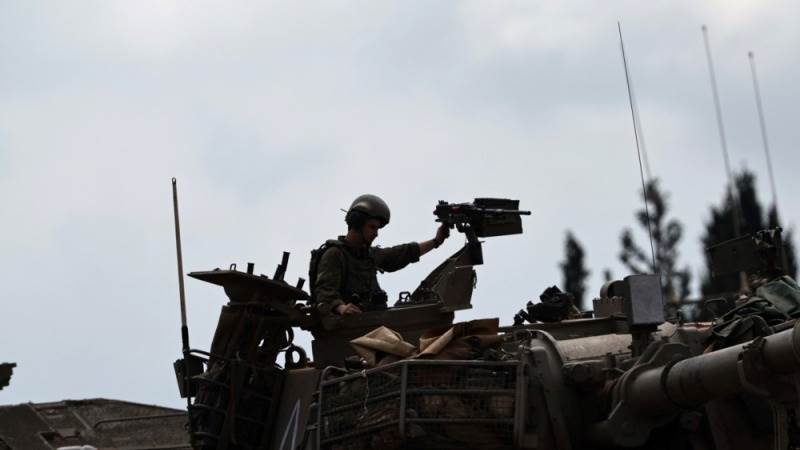
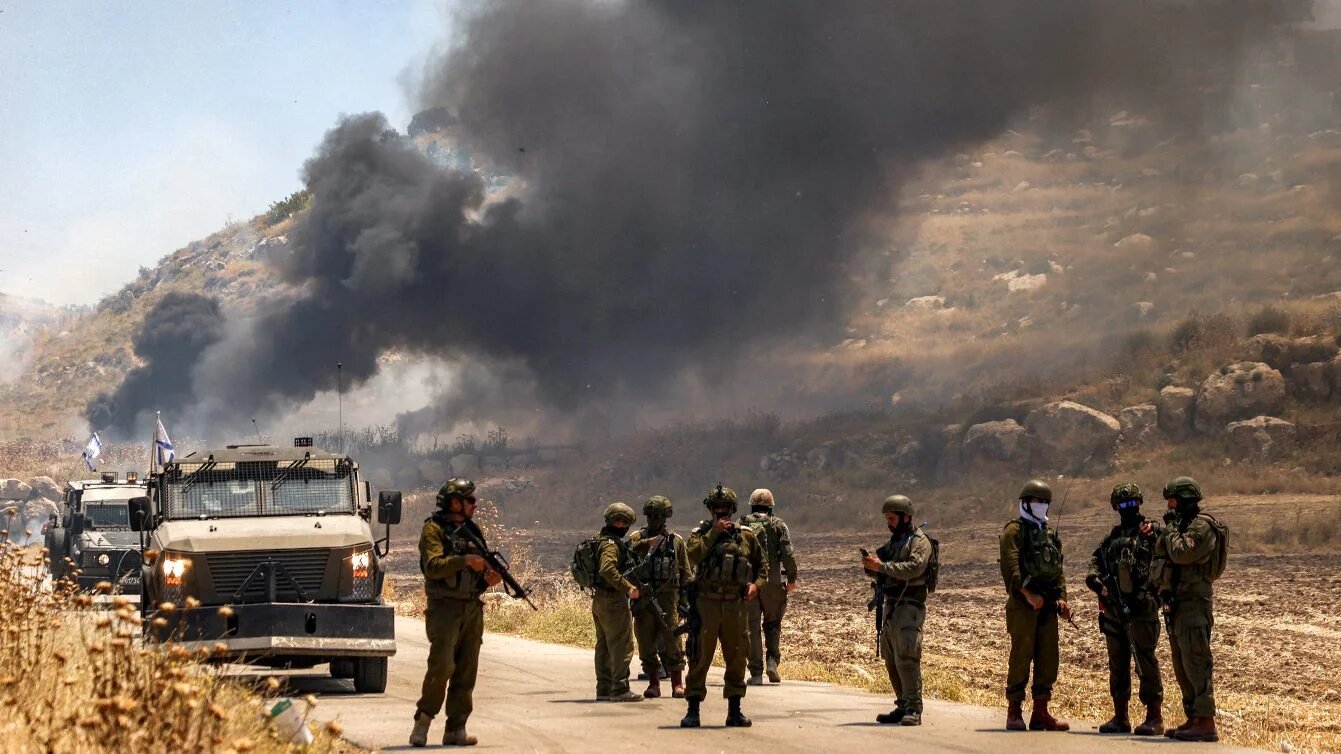
Israel’s ongoing attacks on Lebanon have been identified as a key point of tension within the broader mediation efforts. These military actions, which continue to impact Lebanese territory, significantly complicate diplomatic attempts to de-escalate regional hostilities. The persistent nature of these attacks creates an environment of instability, making it challenging for negotiators to forge a path towards a full ceasefire. The presence of such active conflict directly influences the discussions aiming to achieve a ceasefire and stabilize the volatile situation. Addressing the cessation of these attacks is considered central to any successful resolution emerging from the current mediation initiatives, as it directly impacts the sovereignty and security of Lebanon. The situation shows the complex security challenges faced by negotiators as they work towards reducing the overall conflict and establishing a framework for enduring peace. Without a clear commitment to ending these hostilities, the mediation process faces significant hurdles.
Broader Regional Context
The visit by Lebanon's army chief to Pakistan takes place against a backdrop of heightened regional tensions involving Iran, Israel, and the United States. Diplomatic efforts are underway to address the ongoing conflict dynamics that affect stability across the Middle East, a region frequently impacted by geopolitical complexities. Pakistan's engagement in mediation notes the international community's concerns regarding potential escalations, which could have broad consequences beyond the immediate conflict zones. The country's diplomatic outreach is a testament to the global recognition of the need for urgent intervention. The situation between Lebanon and Israel, marked by ongoing military actions, remains a critical focus for de-escalation initiatives, as its trajectory can significantly influence the broader regional security landscape. The broader regional environment, encompassing these key players, emphasizes the complexity of achieving lasting peace and stability through diplomatic channels, requiring sustained effort and cooperation from all parties involved.
Diplomatic Efforts
Pakistan's role as a mediator in the ongoing regional conflict is central to current diplomatic efforts. The visit by Lebanon's Army Chief, General Rudolf Haykal, to Pakistan shows the importance of these initiatives, signaling a concerted push for a diplomatic resolution. Pakistan is working to de-escalate tensions involving Iran, Israel, and the United States, aiming to achieve a ceasefire that can pave the way for long-term stability. These discussions are taking place amidst Israel’s continued military actions against Lebanon, which complicate the path to stability and demand careful handling by mediators. The international community views these diplomatic engagements as key for preventing further escalation and fostering peace in the Middle East, recognizing the delicate balance required to navigate such sensitive geopolitical situations. The success of these efforts hinges on the willingness of all parties to engage constructively and commit to de-escalation.