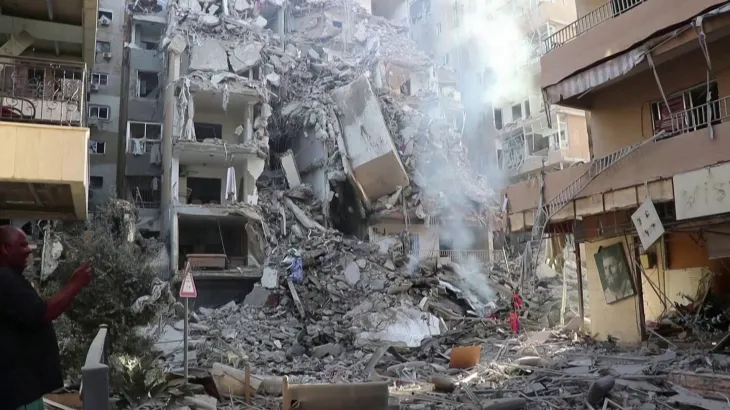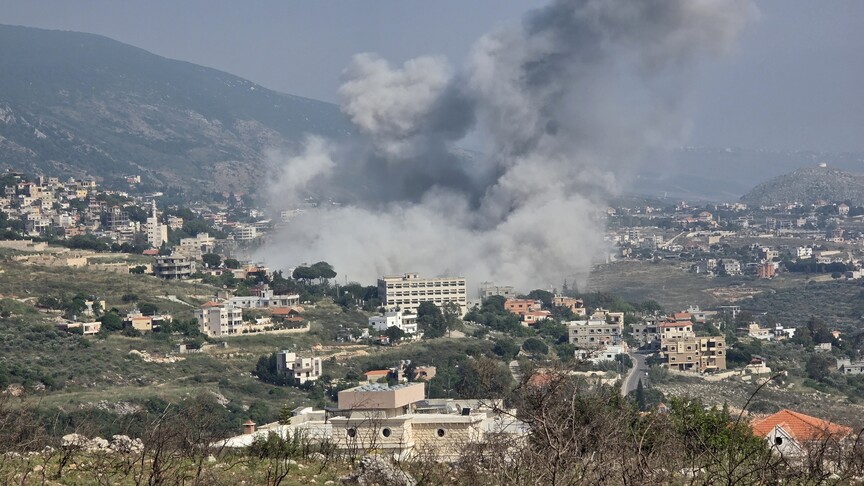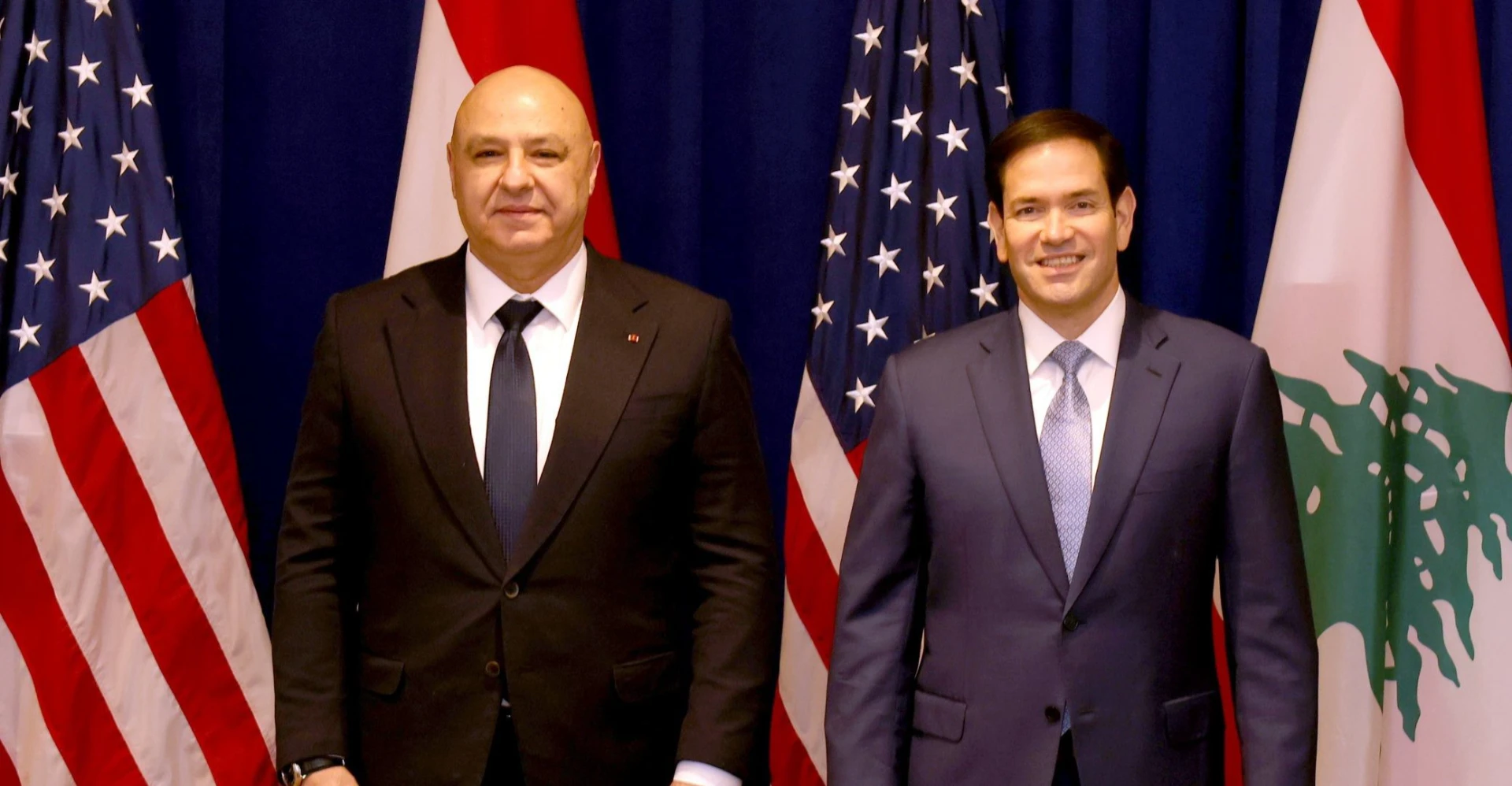
Lebanese President Joseph Aoun on Friday urged US Secretary of State Marco Rubio to prioritize a ceasefire in Lebanon as Israeli military operations continue across the country. President Aoun stated that "securing a ceasefire in Lebanon must be the immediate priority" during discussions with the top American diplomat. The Lebanese President's plea noted the escalating humanitarian crisis and the widespread impact of the ongoing conflict. Meanwhile, Israeli Prime Prime Minister Benjamin Netanyahu confirmed that military operations were ongoing in Beirut, the Beqaa Valley, and along the broader front, indicating a wide geographic scope for the military actions.
US Reaffirms Support
Secretary of State Marco Rubio reaffirmed Washington's commitment to the understandings reached during previous talks in Washington. Rubio emphasized the United States' continued support for Lebanon's stability, sovereignty, and its right to determine its own future. These assurances from Secretary Rubio show the ongoing diplomatic engagement between the two nations amidst the regional tensions. The US official's remarks came amidst ongoing discussions regarding the escalating situation in the region, signaling Washington's continued involvement in seeking a resolution.
Israeli Military Operations Expand
Israeli Prime Minister Benjamin Netanyahu stated that Israeli forces had crossed the Litani River. This significant development indicates a deeper penetration into Lebanese territory than previously acknowledged. Netanyahu confirmed that these forces had taken control of "strategic positions in southern Lebanon," suggesting a tactical advantage gained by the Israeli military. This statement from the Israeli Prime Minister provides an official confirmation of the advanced stages of their ground operations. This development follows earlier reports from Israeli media today, which indicated that the military had recommended an expansion of both airstrikes and ground operations within Lebanon, suggesting a deliberate escalation strategy. The reported recommendations suggest an intensification of military activities in the region, aligning with the Prime Minister's announcement of forces crossing the Litani River and securing strategic positions.
Humanitarian Toll Mounts
Lebanon's Health Ministry reported that the ongoing Israeli offensive has resulted in a significant humanitarian toll since March 2. The ministry stated that 3,355 people have been killed in the country, painting a grim picture of the conflict's impact on civilian lives. Additionally, its figures indicate that 10,095 individuals have sustained injuries during the same period, noting the extensive physical harm inflicted upon the population. These casualties show the severe impact of the military operations on the civilian population across Lebanon, prompting urgent calls for de-escalation and humanitarian aid. The Health Ministry continues to monitor the situation as the conflict progresses, providing key data on the human cost of the hostilities.
President's Call for Action
President Joseph Aoun described a ceasefire as the essential first step toward addressing other outstanding issues in Lebanon. His call came amid ongoing Israeli military operations across the country, which have prompted significant concern from international observers regarding regional stability and the protection of civilians. Aoun's statement to US Secretary of State Marco Rubio showed the urgency of de-escalation, positioning the cessation of hostilities as foundational for any subsequent diplomatic or humanitarian efforts. The Lebanese President's emphasis notes the immediate priority he places on halting the conflict before engaging with broader, unresolved matters affecting the nation's stability and future. His direct appeal to the United States reflects the critical role he sees for international mediation in bringing an end to the violence.