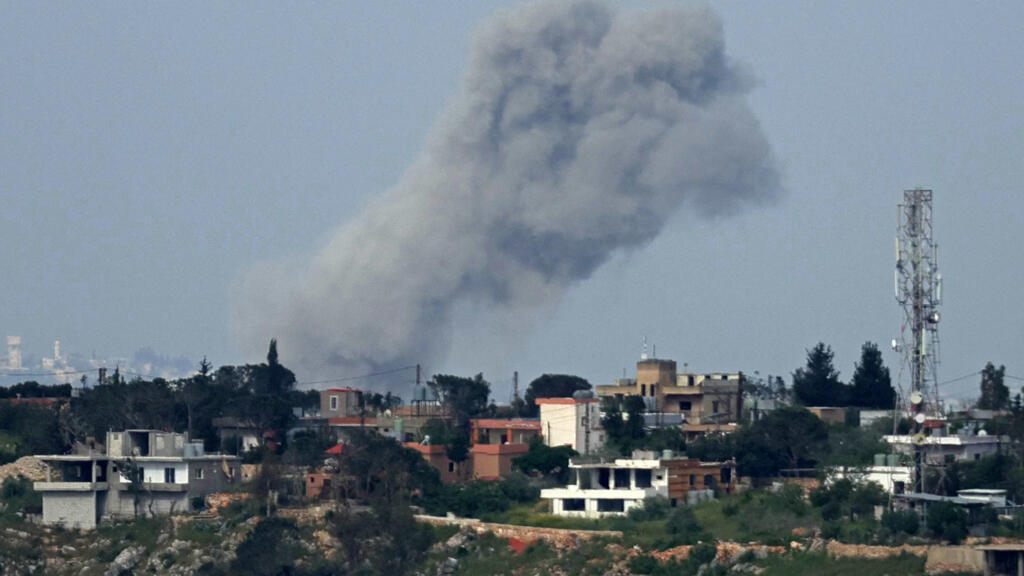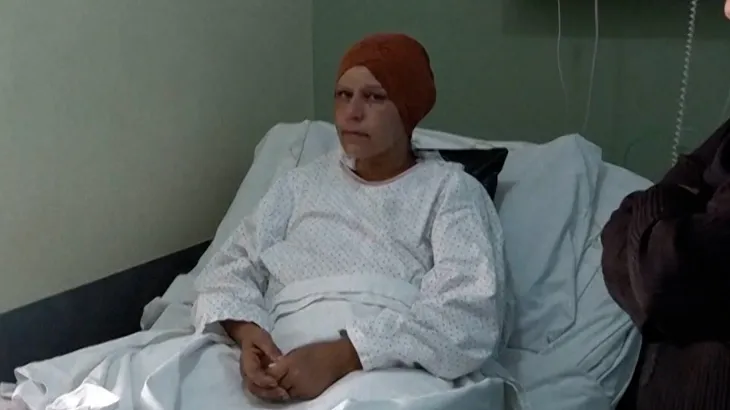
Israeli attacks on Lebanon have displaced over a million people and injured thousands, contributing to a growing crisis in the country's healthcare system. Al Jazeera’s Rory Challands reported on hospitals struggling to manage the influx of casualties from the ongoing conflict. According to the Lebanese Health Ministry, the violence has resulted in 1,461 deaths and 4,430 wounded across Lebanon. Sidon Government Emergency Hospital, for instance, continues to receive more injured individuals daily, straining its capacity and resources.
Escalating Violence and Medical Strain
Israel has intensified its campaign against Hezbollah, pushing deep into southern Lebanon. Israeli warplanes dropped leaflets over Beirut, warning that "after great success in Gaza, a new reality is coming to Lebanon, too." This escalation has severely impacted the healthcare system. Since the war between Israel and Hezbollah reignited on March 2, Israeli airstrikes have killed at least 57 health professionals, according to the Lebanese Health Ministry. The ministry also stated that Israel has carried out more than 160 attacks against emergency medical workers and ambulances.
These actions have forced the closure of six hospitals and 49 health clinics, either through direct attacks or threats, as reported by the Lebanese Health Ministry. Clinics in the south have shuttered or suspended operations due to heavy bombardment. Dr. Mohammed Ziara, a surgeon specializing in burns from Gaza City, is currently working at a government hospital in Sidon, Lebanon. Dr. Ziara described the dire situation, stating, "The health system is on its knees. Now front-line hospitals are lacking staff and supplies. They're overwhelmed."
Personal Stories of Injury and Displacement
Mohammad Qubaisi sustained second-degree burn wounds when Israeli munitions hit his apartment in his Zuqaq al-Blat neighborhood of central Beirut. According to reports, this area had not received Israeli evacuation guidance before the March 18 strike. Qubaisi’s 15-year-old son, Jad, was killed in the attack. "These are civilian buildings, not military targets," Mohammad Qubaisi stated. "They hit us and we still don’t know why. We were sleeping safely in our home, and look what happened to us." Reports also indicated Kamal Fakih, 27, was burned and cut by shrapnel in an Israeli airstrike on March 17. Dr. Mohammed Ziara, who was previously besieged in Gaza's Shifa Hospital, joined the U.K.-based nonprofit Interburns, which sent him to Lebanon in 2024. Ziara and his team from Interburns helped establish the Lebanese public health system's first specialized burn unit in Sidon.
Accusations and International Law
Israel claims Hezbollah operates from civilian areas and uses hospitals and ambulances for military purposes. According to reports, the Israeli military argues that Hezbollah's use of medical facilities makes them legitimate military targets under international law. Hezbollah, however, denies conducting militant activities within civilian sites. In an attack early Monday, two paramedics were killed and a third seriously wounded, with the ministry accusing Israel of deliberately targeting a gathering of first responders. On March 28, an Israeli airstrike targeted ambulances in Kfar Tebnit, killing paramedic Muhammad Tafili and a fellow paramedic, and wounding a third. Israel's military accused the medics of being Hezbollah operatives. The Israeli military claims to have killed hundreds of Hezbollah operatives in the latest bombardment and ground invasion. On March 28, Israeli attacks killed seven other medics across four additional villages, according to the World Health Organization. Watchdogs noted similar justifications for killing more than 260 journalists and 1,700 health workers in Gaza, according to figures from the United Nations humanitarian agency. Israeli Defense Minister Israel Katz vowed last week that Israel would flatten all houses in southern Lebanon to protect its border towns from Hezbollah rockets. Nabih Berri Hospital evacuated dozens of patients to make room for casualties.