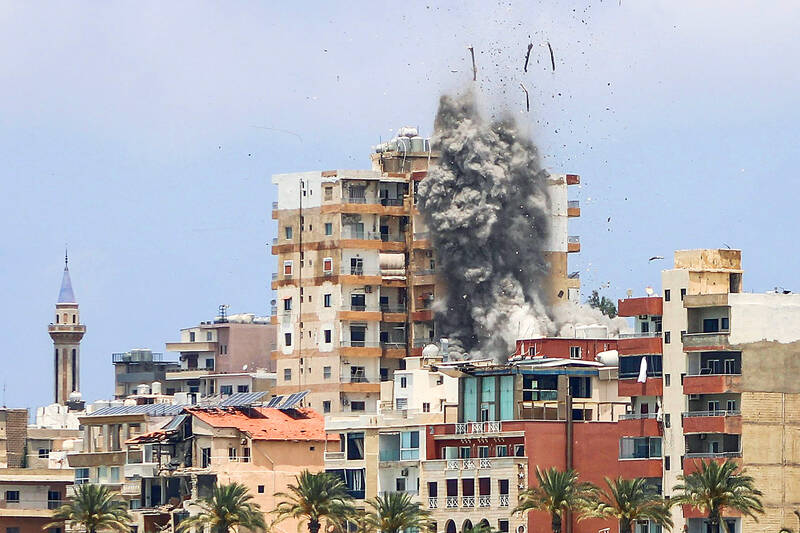
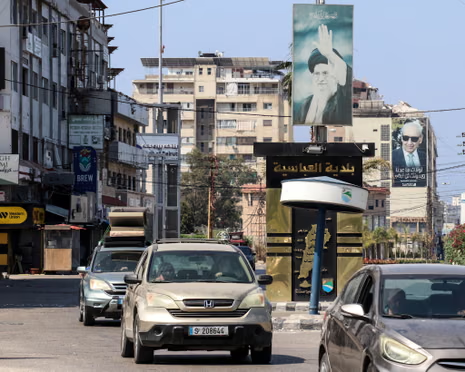
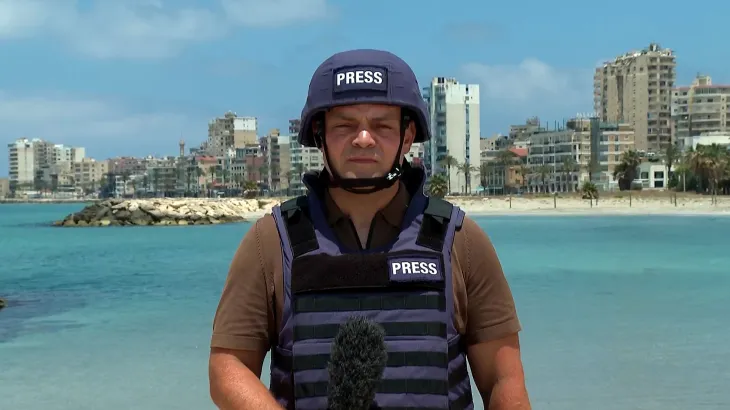
Israel’s military issued an evacuation warning on Tuesday for the entire Lebanese city of Tyre, a city previously home to over 100,000 people. The directive also included approximately 10,000 individuals displaced from surrounding areas who had sought refuge in Tyre. This unilateral evacuation order, issued by the Israeli military, specifically targeted the ancient port city, which has long been a vibrant hub in southern Lebanon. The Israeli military's warning prompted immediate concerns regarding the humanitarian implications for the significant population residing in the southern Lebanese city and its temporary inhabitants, as such a directive implies an imminent threat that could force a mass exodus. The city of Tyre, known for its historical significance and coastal location, suddenly faced the prospect of widespread abandonment, adding to the already severe displacement crisis in the region.
Escalating Evacuations and Attacks
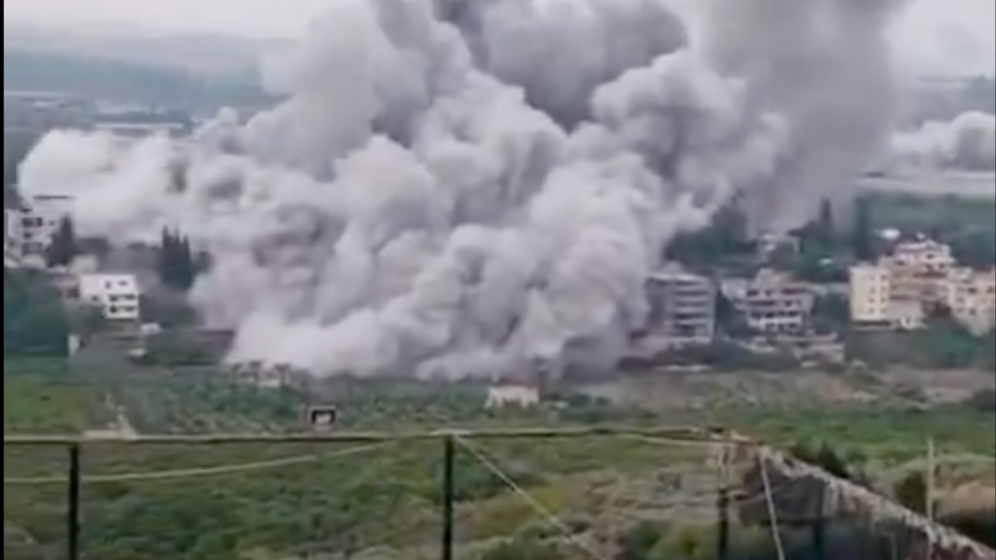
Following the evacuation warning issued for Tyre, airstrikes killed at least eight people and wounded dozens more in the city. The attacks targeted various locations within Tyre, a city that had previously been home to over 100,000 residents before the conflict. Additionally, approximately 10,000 individuals displaced from surrounding areas had sought refuge in Tyre, further exacerbating the humanitarian situation following the strikes. The precise number of casualties and the extent of the damage are still being assessed by local authorities amidst ongoing security concerns. These strikes show the immediate dangers faced by civilians in areas subject to evacuation orders. The impact of these aerial assaults extends beyond immediate casualties, causing extensive damage to infrastructure and deepening the sense of insecurity among the populace. The presence of a large displaced population within Tyre meant that the attacks had a disproportionately severe effect, as many individuals had already fled their homes once and were now confronted with renewed threats.
Ongoing Israeli aerial attacks have led to successive waves of locals leaving southern Lebanese towns and cities since early March. These persistent military operations have resulted in widespread displacement across the region, with many residents seeking safer areas further north. The continuous nature of the strikes has made it challenging for humanitarian organizations to provide consistent aid and support to affected populations. Many families have been forced to leave their homes with little warning, often relocating multiple times as the security situation evolves. The humanitarian crisis has deepened significantly due to these sustained military actions, with hundreds of thousands of people uprooted from their communities. The repeated necessity to evacuate notes the volatile and unpredictable nature of the conflict, leaving little room for long-term planning or stability for those caught in its path.
On Sunday, a historic family home located near a UNESCO world heritage site in Tyre was completely destroyed. The structure, which held significant cultural value for the local community, was reduced to rubble in the attack. The destruction of the home raises concerns about the potential impact of military actions on historical and cultural sites in the region. Local heritage organizations have expressed alarm over the damage, emphasizing the irrecoverable loss of such landmarks and their importance to Lebanese identity. The incident shows the broader risks posed to civilian infrastructure and cultural heritage during the escalating conflict. The loss of such a landmark is not merely material; it represents a blow to the cultural fabric and collective memory of the community. This destruction adds another layer of suffering to the local population, who witness not only the loss of life and property but also the erosion of their shared heritage.
Israel's Security Buffer Zone
Israel has established a "yellow line" in southern Lebanon, which it states designates a security buffer zone intended to safeguard its citizens from Hezbollah attacks. This demarcation lies approximately 10 kilometers (6 miles) from the border. Yossi Kuperwasser, a former head of military intelligence research and a senior researcher at the Jerusalem Institute for Strategy and Security, stated that the military aims to extend about 10 kilometers into Lebanon from the border to shield Israeli communities from direct fire, particularly from anti-tank missiles. This strategy is designed to create a physical barrier and distance between potential launch sites in Lebanon and Israeli civilian areas, thereby reducing the immediate threat posed by short-range weaponry. The establishment of this "yellow line" is a clear indication of Israel's perceived security imperatives and its proactive approach to creating a defensive perimeter.
Reports indicate that Israeli soldiers have been operating beyond this yellow line and also past Lebanon's Litani river. This marks the first time such incursions have been reported since 2006. Kuperwasser acknowledged an ongoing discussion regarding deeper incursions into Lebanese territory. "There is a debate about whether to go further into Lebanon," Kuperwasser said. "We pay a heavy price for drones almost on a daily basis, we have some casualties, so this may affect the debate. But so far, there's no new decision that I know of [to go beyond the yellow line]." The reported operations beyond the designated "yellow line" and the Litani river signal a potential expansion of Israel's military presence and operational scope within Lebanese territory. These deeper incursions suggest a more assertive stance than merely maintaining a buffer zone, raising questions about the long-term objectives and the potential for prolonged occupation. The debate Kuperwasser mentioned notes the internal deliberations within Israel regarding the balance between security imperatives and the risks associated with deeper engagement in Lebanese territory.
The situation has also drawn international attention. US President Donald Trump reportedly instructed then-Israeli Prime Minister Benjamin Netanyahu to scale back Israel's strikes in Lebanon. This intervention from a key international ally shows the global concern over the escalating conflict and its potential for wider regional destabilization. Kuperwasser suggested that external pressure could influence Israel's strategic decisions. "Because the more pressure that is put on Israel, the more Israel will reconsider that policy," he explained. This statement acknowledges the role of international diplomacy and the influence of powerful allies in shaping military strategies. The establishment and enforcement of this buffer zone, along with reported military movements beyond it, reflect ongoing efforts by Israel to manage security threats emanating from southern Lebanon, amidst complex regional dynamics and international scrutiny. The interplay between military strategy, domestic political considerations, and international pressure forms a complex web that dictates the course of actions in the volatile border region.
Concerns Over Territorial Control
Over a million Lebanese have been displaced from southern Lebanon thus far, adding to the humanitarian crisis in the region. Israel recently issued evacuation orders for Nabatieh, another southern city situated beyond the "yellow line" buffer zone. This widespread displacement, affecting a significant portion of the population in southern Lebanon, paints a stark picture of the human cost of the ongoing conflict. The issuance of evacuation orders for cities like Nabatieh, which lie outside the initially defined security zone, further intensifies fears among Lebanese citizens about Israel's intentions and the potential for a more permanent military presence. The sheer scale of displacement strains resources and infrastructure in safer areas, creating a cascading humanitarian challenge that requires significant international attention and aid.
Israeli Prime Minister Benjamin Netanyahu stated at the end of May that he wanted troops to "deepen and expand" their hold on Lebanese terrain. This statement followed earlier remarks from Israel's defense minister, Israel Katz, who said in March that local Lebanese residents would not be able to return to southern Lebanon until "the safety and security of northern Israeli residents are guaranteed." These declarations from high-ranking Israeli officials have significantly fueled concerns regarding Israel's long-term intentions in the area. Netanyahu's call to "deepen and expand" the hold on Lebanese terrain, coupled with Katz's condition for the return of Lebanese residents, suggests a strategy that goes beyond temporary defensive measures. These statements are interpreted by many as a precursor to a more enduring military presence or even a form of territorial control, directly impacting the sovereignty and demographic landscape of southern Lebanon.
These actions and statements have fueled concerns regarding Israel's long-term intentions in the area. Experts at the US-based risk consultancy, the Institute for Applied Geopolitics, argued in a June briefing that Israel's actions signal "a shift from limited border defense to a strategy of territorial control and deterrence." This analysis by independent experts provides an important framework for understanding the evolving nature of Israel's military engagement in Lebanon. The shift from a purely defensive posture to one aimed at territorial control and deterrence indicates a more aggressive and potentially long-lasting strategic objective. The ongoing displacement and military directives contribute to a growing perception among Lebanese populations that the current conflict could lead to a more permanent Israeli presence. This perception is rooted in the observable military actions and the explicit statements made by Israeli leadership, which together paint a picture of a potential redefinition of the border region's status. The fear of permanent occupation is a deeply unsettling prospect for the Lebanese, evoking memories of past conflicts and prolonged foreign military presences.
Calls for International Intervention
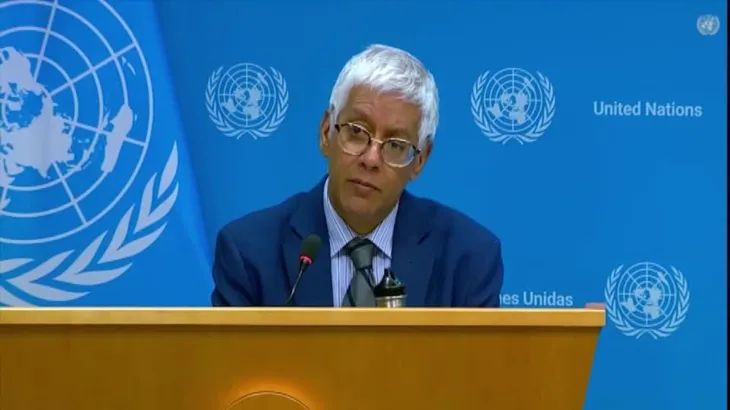
David Wood, a senior analyst at the Center for American Progress, argued for direct US intervention in the conflict. He stated that the United States, as Israel's primary ally, "should pressure Israeli leaders to observe a genuine ceasefire, then begin withdrawing and allow the Lebanese army to enter and assert control." Wood's commentary emphasizes the role of international pressure in de-escalating the situation and facilitating a return to Lebanese sovereignty in the southern regions. His proposal notes the unique position of the United States, given its close relationship with Israel, to influence the trajectory of the conflict. The analyst’s proposal suggests a pathway to stabilize the border area and prevent further territorial incursions through diplomatic means, advocating for a clear sequence of actions: a ceasefire, Israeli withdrawal, and the deployment of the Lebanese army to re-establish state authority. Such an intervention would aim to restore the internationally recognized border and alleviate the humanitarian crisis, preventing the conflict from escalating into a more entrenched occupation. The call for the Lebanese army to assert control is key for ensuring the integrity and sovereignty of Lebanon's territory, providing a legitimate and recognized authority in the vacuum created by the conflict and displacement.