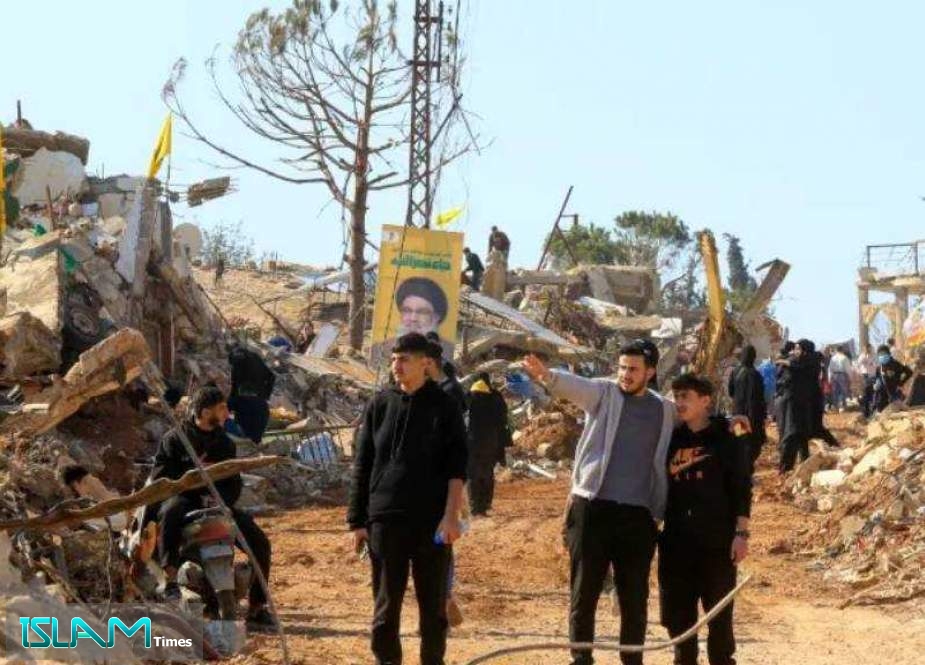
Forcibly displaced families have begun returning to destroyed towns and villages in southern Lebanon following the initial announcement of a ceasefire agreement between the United States and Iran. The returns come as about 1.2 million people have been forcibly displaced by Israeli attacks. Families are seeking to assess the damage to their homes and communities despite ongoing uncertainty about the ceasefire's permanence. This tentative movement back to their places of origin follows a period of intense conflict that left widespread devastation across the region. The ceasefire, brokered between the United States and Iran, has offered a glimmer of hope, prompting many to consider the possibility of rebuilding their lives in areas previously deemed too dangerous. However, the path forward remains fraught with challenges, as the extent of the damage is immense and the long-term stability of the ceasefire is yet to be fully established.
Devastation and Displacement
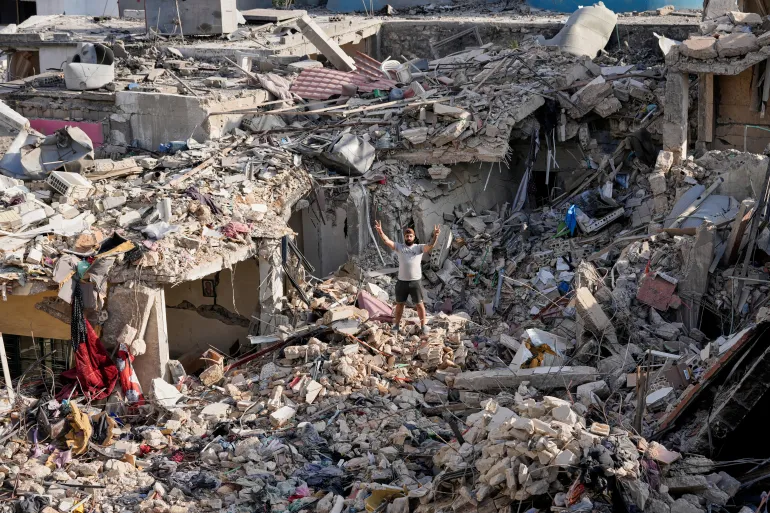
Months of cross-border fire and air raids have levelled homes, shops, and public buildings in southern Lebanon, rendering some neighbourhoods barely recognisable. The extensive destruction has prompted residents to return and assess the damage to their properties. Israeli attacks on Lebanon have resulted in 3,798 fatalities since March 2, according to figures released by the Ministry of Public Health. The ongoing assessment of destruction coincides with families seeking to understand the impact on their communities. The scale of the damage is staggering, with entire residential blocks reduced to rubble and essential infrastructure severely compromised. Many of the towns and villages now bear the scars of sustained bombardment, making the task of recovery daunting for returning residents. The Ministry of Public Health's grim statistics show the human cost of the conflict, noting the profound loss experienced by countless families. This widespread devastation has not only destroyed physical structures but has also shattered the social fabric of these communities, requiring immense effort to reconstruct both infrastructure and community bonds.
Tentative Returns
Some residents are choosing to stay only long enough to salvage documents, clothing, and essential household items before departing again. This cautious approach reflects the ongoing uncertainty regarding the stability of the ceasefire. Many families are returning to assess the extent of the damage to their properties and retrieve any belongings that may have survived the extensive destruction. The temporary presence in these towns allows individuals to survey the impact of the cross-border fire and air raids on their homes and communities. While some are intent on a permanent return, the immediate priority for others is to secure important personal effects amid the prevailing conditions. The selective retrieval of items shows the challenges faced by displaced families as they navigate the aftermath of the conflict. This careful, often hurried, process of sifting through debris is driven by a desire to preserve any remnants of their former lives while acknowledging the precarious security situation. These brief visits are often emotionally charged, as families confront the reality of their shattered homes and the loss of cherished possessions. The decision to temporarily return is a delicate balance between hope for peace and the lingering fear of renewed hostilities, making any long-term commitment to staying difficult for many.
Grim Reality on Ground
Other families, facing limited options, are attempting to restart their lives amidst the extensive destruction. These residents, having nowhere else to go, are striving to establish a semblance of normalcy in towns and villages heavily impacted by cross-border fire and air raids. Their efforts include clearing debris, making rudimentary repairs, and seeking essential supplies to rebuild their immediate surroundings. This determination to remain in their homes, despite the grim reality on the ground, shows the profound challenges faced by many displaced individuals. With their properties damaged or destroyed, and the broader region facing an uncertain future, these families are beginning the arduous process of reconstruction often with minimal resources. The commitment to rebuilding reflects a deep connection to their communities and a desperate hope for stability. For these families, the choice to stay is often born out of necessity, as they lack alternative shelter or resources elsewhere. They are confronted daily with the daunting task of piecing together a life from the ruins, relying on community solidarity and sheer resilience. Their efforts, though heroic, highlight the urgent need for sustained humanitarian aid and reconstruction support to help them overcome the immense obstacles in their path. The resilience shown by these individuals is a testament to the human spirit, but their situation also serves as a stark reminder of the devastating long-term consequences of conflict.