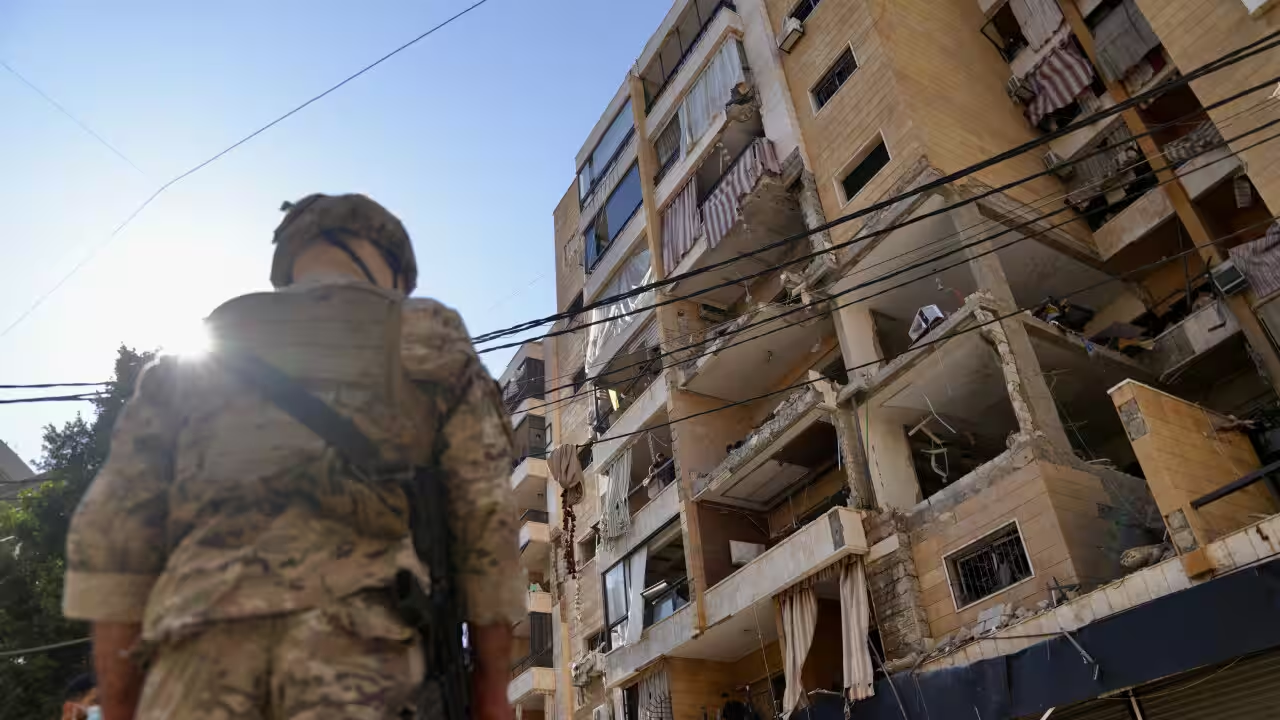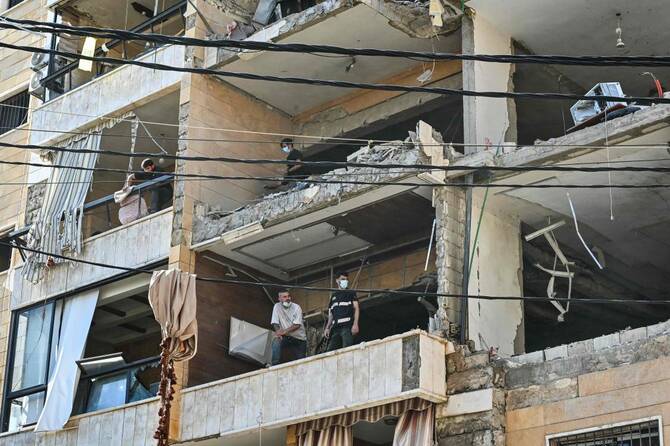
Four-year-old Malaika was severely injured when Israel intensified its war on Lebanon on March 2, striking her home in southern Lebanon’s Mayfadoun. The escalation followed Hezbollah's response to the February 28 killing of Iran’s Supreme Leader Ayatollah Ali Khamenei. Malaika woke in a hospital hours after the strike, suffering burns on her forehead. Her left eye sustained damage that hospital staff indicate will require surgery. Malaika's mother was killed in the attack, having used her body to protect her daughter from the impact. The incident notes the immediate and devastating impact of the conflict on civilian children in the region, showing the urgent need for protection and humanitarian intervention.
Widespread Devastation and Injury
Malaika arrived at the emergency room with severe wounds on her face and extensive shrapnel, according to her social worker, Sara Issa. Issa stated that the child’s injuries were significant upon admission, noting the presence of "lots of shrapnel in her face." The traumatic experience left the young girl with visible physical scars and the profound emotional shock of losing her mother in such a violent manner. This individual tragedy is emblematic of the broader suffering endured by countless children across Lebanon.
The Lebanese Ministry of Health reports that Israeli actions have resulted in the deaths of at least 3,613 individuals in Lebanon. This total includes at least 245 children, a grim statistic that shows the severe human cost of the ongoing hostilities. The ministry's data provides a stark picture of the widespread fatalities, indicating that a significant portion of the victims are minors, whose lives are cut short or irrevocably altered by the conflict.
Since March 2, Israeli attacks have wounded more than 900 children across Lebanon, adding to the already staggering number of casualties. These injuries range in severity, often requiring extensive medical treatment and long-term rehabilitation, placing immense strain on the country's healthcare infrastructure. The destruction extends to homes, with Malaika’s family residence being destroyed just days before a recent visit by Al Jazeera, leaving her and her surviving family members displaced and without shelter. Such incidents show the physical toll of the conflict on civilian populations, particularly children, who are frequently caught in the crossfire. The ongoing violence has led to significant casualties and widespread damage to infrastructure and residential areas, disrupting daily life and exacerbating humanitarian crises. The continuous targeting of residential areas and civilian infrastructure not only causes immediate harm but also creates a cascade of secondary impacts, including displacement, loss of livelihoods, and a severe shortage of essential services for affected communities.
Deepening Psychological Scars
Children in Lebanon are enduring severe psychological consequences from sustained conflict, experts warn. Marianne Abboud, mental health and psychosocial support adviser for War Child, stated that children in the country "experienced repeated violence, displacement and loss of loved ones during critical stages of their development." These experiences contribute to profound and lasting trauma, affecting their emotional and cognitive growth. The continuous exposure to such stressors can manifest in various mental health challenges, including anxiety, depression, and post-traumatic stress disorder, impacting their overall well-being and future prospects. The cumulative effect of these traumatic events often leads to long-term psychological distress, hindering their ability to form healthy relationships, succeed in education, and integrate effectively into society.
Even prior to the current conflict, Lebanese children faced numerous disruptions that hindered their development and access to essential services. Educational progress, for instance, had already been severely impacted by multiple crises. These included widespread school closures due to the COVID-19 pandemic, the devastating 2020 Beirut port explosion, and the country’s ongoing economic collapse. These previous events created a precarious environment, making children particularly vulnerable to the added psychological burden of escalating war. The cumulative effect of these repeated crises means many children are now confronting the current violence with already diminished resilience and support systems. Their capacity to cope with new traumas is significantly reduced, making them more susceptible to severe mental health outcomes. The erosion of educational opportunities due to these successive crises also means a generation of children is falling behind, with long-term implications for their personal development and the country's future.
The constant threat of violence, coupled with the instability of their living conditions, fosters an environment of chronic fear and uncertainty for these young individuals. This widespread sense of insecurity can disrupt normal developmental processes, leading to difficulties in emotional regulation, concentration, and social interaction. Experts emphasize that addressing these deep-seated psychological wounds requires sustained and full mental health and psychosocial support interventions, tailored to the specific needs of children exposed to prolonged conflict.
Calls for Action and Future Concerns
A ceasefire announced by United States President Donald Trump on April 17 has failed to halt Israeli attacks, with Save the Children reporting that at least 40 children have been killed or maimed since that date. This continued violence, despite international calls for peace, notes the persistent dangers faced by children in the region. The ongoing violence raises concerns among aid organizations about the long-term mental health consequences for young people. Davide Musardo, a clinical psychologist with Doctors Without Borders (MSF), warned that psychological trauma can lead to a "high rate of suicidal ideation or intention in children," a chilling prospect that shows the severity of the mental health crisis unfolding among Lebanese youth. The failure of the ceasefire to protect children further emphasizes the urgent need for a more strong and effective international response.
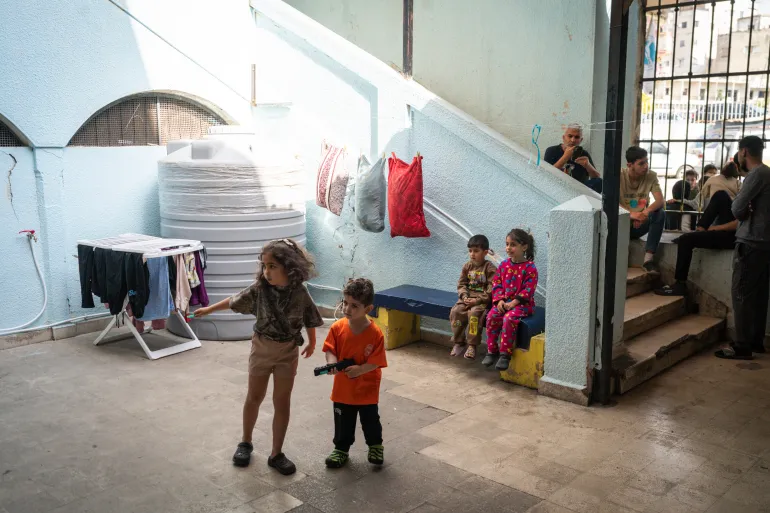
Israel's war on Lebanon has displaced more than 1.2 million people within the country, including approximately 400,000 children. This mass displacement exacerbates the vulnerability of children, disrupting their education and access to essential services such as healthcare, nutrition, and psychological support. Displaced children often live in overcrowded and unsanitary conditions, increasing their risk of disease and further psychological distress. The loss of routine, community, and familiar surroundings adds another layer of trauma, making it difficult for them to process their experiences and recover.
In March, the United Nations appealed for $308.3 million to provide humanitarian assistance to those affected by the conflict. However, the organization has only managed to secure half of its target funding so far, leaving significant gaps in aid provision. This shortfall in funding severely hampers efforts to deliver critical life-saving assistance, including food, shelter, medical supplies, and mental health services, to the most vulnerable populations. The lack of adequate resources further complicates efforts to address the immediate needs and long-term recovery of affected populations, particularly children, who are disproportionately impacted by humanitarian crises. Without sufficient funding, aid organizations struggle to scale up their operations and reach all those in need, prolonging suffering and impeding recovery efforts for a generation already facing immense challenges. The international community's failure to meet these funding targets means that essential support for traumatized and displaced children remains critically insufficient.