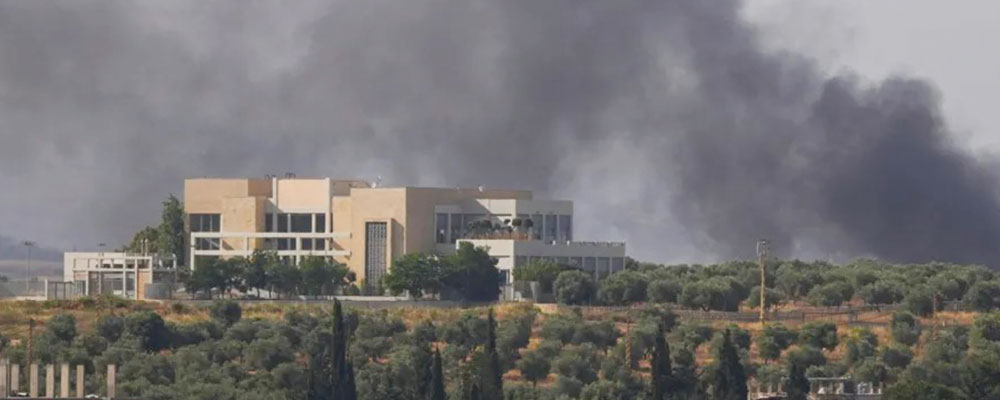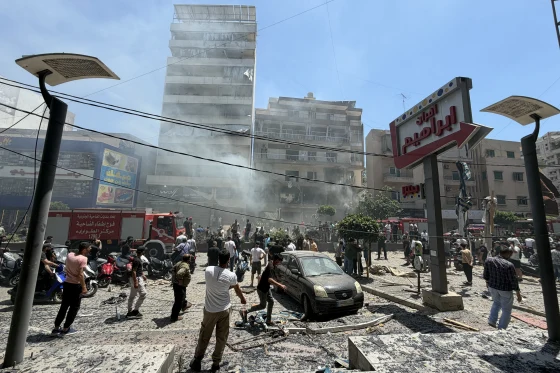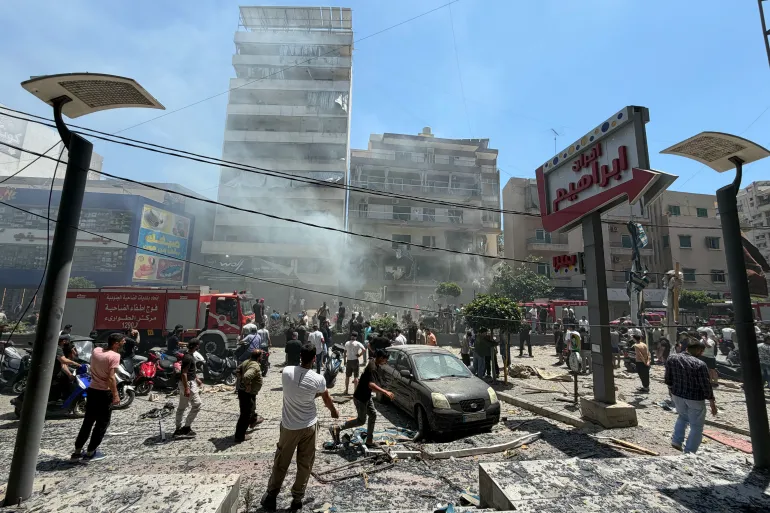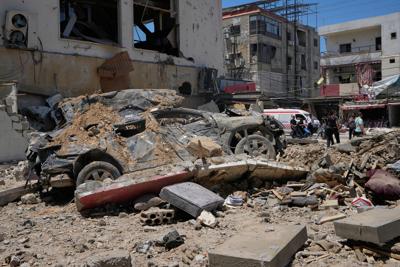
The Lebanese army withdrew its troops from a base in Kfar Tebnit on Saturday, as Israeli airstrikes and artillery shelling targeted several villages in the region. Airstrikes were reported on Saturday in different villages near Nabatiyeh, indicating a broad scope of aerial operations in the area. The city of Nabatiyeh itself was subjected to artillery shelling that same day, marking a direct impact on a significant urban center. These bombardments contribute to a volatile security situation across southern Lebanon. Separately, an Israeli drone struck a soldier on the road linking Nabatiyeh with Kfar Rumman, seriously wounding him. This incident notes the precision targeting capabilities being employed in the conflict. The withdrawal of Lebanese army personnel and the series of strikes occurred amidst escalating tensions in southern Lebanon, reflecting a significant uptick in military activity.
Escalation on the Border
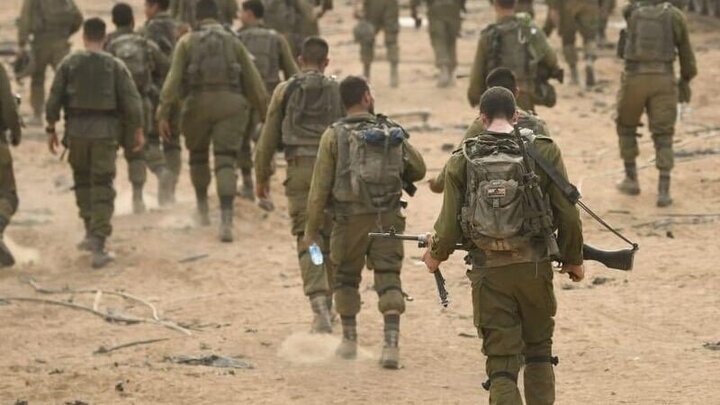
Israeli troops advanced in an area near Kfar Tebnit as hostilities continued in the region. This ground movement suggests a tactical push by Israeli forces, coinciding with the broader aerial and artillery attacks. The ground movement followed earlier reports of intensified military actions, indicating a coordinated approach by the Israeli military. The ongoing presence of Israeli ground forces near Kfar Tebnit adds another dimension to the escalating conflict, complementing the aerial and artillery bombardments.
Separately, an Israeli airstrike killed two people in Deir al-Zahrani, a tragic outcome of the sustained military operations. The strike occurred amidst a period of heightened military activity targeting various locations in southern Lebanon, showing the widespread nature of the conflict's impact on civilian areas and populations. The incident in Deir al-Zahrani adds to the growing casualty count as the military engagements continue to unfold across the border region.
An Israeli drone also targeted a soldier near a hospital in Nabatiyeh, though the projectile missed its intended target. This incident marks another reported drone operation in the vicinity of Nabatiyeh, following a previous strike that seriously wounded a soldier on the road linking Nabatiyeh with Kfar Rumman. The repeated use of drones for targeting individuals in and around Nabatiyeh points to a focused operational strategy. The targeting near civilian infrastructure, such as a hospital, shows the ongoing and widespread nature of the military engagements in southern Lebanon, raising concerns about the safety of non-combatants and essential services.
Military Movements and Warnings
The Israeli military issued an evacuation warning for approximately 20 locations, which included the city of Nabatiyeh and its surrounding villages. This full warning indicates a significant expansion of the potential conflict zone. The warnings advise residents to leave their homes, signaling an expectation of further intense military operations in these areas. This warning came amidst ongoing military operations in the region, suggesting preparations for potential ground or heavy bombardment campaigns. The latest conflict between Israel and Hezbollah began on March 2, marking a significant escalation in hostilities across the border region since that date. The conflict's commencement has set the stage for the current series of intense exchanges.
In late May, Israeli troops successfully captured the Crusader-built Beaufort Castle, a strategically important location overlooking a wide expanse of southern Lebanon. This military action occurred as fighting intensified, with both sides conducting operations in southern Lebanon. The capture of Beaufort Castle represents a notable territorial gain for Israeli forces and a key development in the ongoing conflict. This strategic acquisition follows a period of sustained military activity and warnings issued to local populations as the conflict continues to unfold. The broad evacuation warnings cover a substantial area, indicating a widening scope of military operations and potential risks to civilians in the affected locations, as military objectives are pursued.
Broader Conflict and Ceasefire Hopes
Hezbollah fighters conducted multiple attacks on Saturday, reportedly targeting Israeli troops on the edge of Kfar Tibnit with two drones. These drone attacks demonstrate Hezbollah's continued active engagement in the conflict, employing various tactics against Israeli forces. The broader conflict has resulted in significant casualties on both sides of the border, noting the severe human cost of the ongoing hostilities. More than 3,700 people have been killed in Lebanon since the latest fighting began on March 2, a grim statistic that shows the intensity and lethality of the conflict. This high death toll includes both combatants and civilians, reflecting the widespread impact of the violence.
In Israel, the conflict has claimed the lives of 30 Israeli soldiers and one defense contractor in or near southern Lebanon, indicating the dangers faced by military personnel and those supporting their operations. Additionally, two civilians have been killed in northern Israel as hostilities continue to impact the region, demonstrating the cross-border nature of the attacks and their effect on civilian populations. The ongoing exchanges of fire contribute to a high death toll and continued instability across the border areas, creating a humanitarian crisis and a persistent state of insecurity for residents on both sides. The sustained violence and rising casualties show no immediate signs of abating, despite international calls for de-escalation.