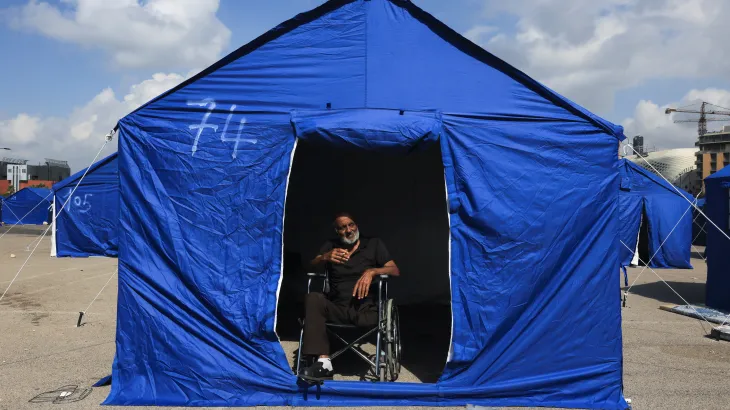
Mohamad Saaydoun, a Lebanese amputee displaced by the latest Israel-Hezbollah war, is currently residing in a makeshift camp located in central Beirut. His displacement notes the severe human impact of the ongoing conflict, forcing individuals to seek refuge in precarious conditions. Saaydoun, who tragically lost a limb, now faces an uncertain future without a permanent home. He voiced his desperation to reporters, stating, "‘where am I supposed to go’?" His situation reflects the broader challenges confronting thousands affected by the hostilities, who are left to grapple with profound personal losses and an unstable environment. The makeshift camp, a temporary solution for many, offers little in the way of stability or comfort, showing the urgent need for more durable and humane solutions for those uprooted by the violence.
A Life Upended
Mohamad Saaydoun has endured repeated displacement, the loss of his livelihood, and significant damage to his home as a direct consequence of the escalating conflict. His current predicament in the Beirut camp marks another chapter in a life repeatedly disrupted by hostilities in Lebanon. The conflict has not only stripped him of his physical well-being but also his economic stability and permanent residence, leaving him in a state of profound vulnerability. Saaydoun's situation shows a broader pattern of suffering where civilians are forced to abandon their homes and livelihoods due to ongoing violence. The cumulative toll of these successive displacements, coupled with the destruction of his property and the inability to earn a living, has created an immense burden for him and his family. He articulated his despair, asking, "‘where am I supposed to go’?" The challenges faced by Saaydoun reflect the immense human cost borne by many in the region, who find themselves caught in prolonged periods of instability and uncertainty. His experiences highlight the urgent need for full humanitarian assistance and stable, long-term solutions for those displaced by the conflict, ensuring their fundamental rights and dignity are upheld.
Wider Displacement Crisis
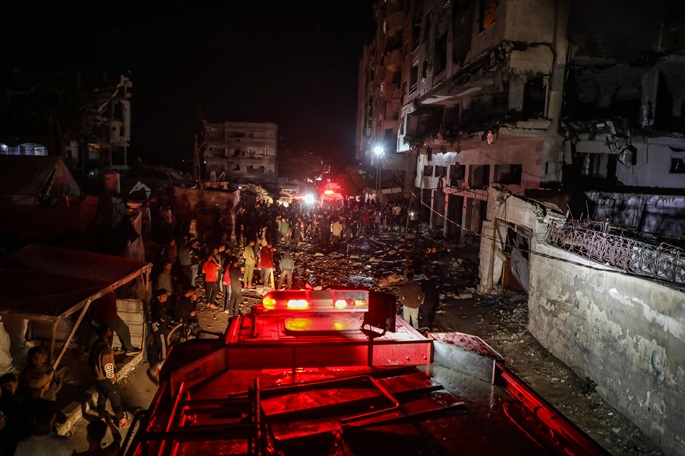
More than 1.6 million people are displaced across Lebanon amid ongoing Israeli attacks. The sheer scale of this displacement shows the widespread impact of the conflict, affecting a significant portion of the country's population. These individuals, like Mohamad Saaydoun, are often forced to abandon their homes and livelihoods, seeking refuge in temporary shelters, makeshift camps, or with host families. The continuous attacks have created a humanitarian crisis, adding immense pressure on existing infrastructure and aid organizations, which are struggling to meet the escalating needs. The displaced population faces myriad challenges, ranging from securing basic necessities such as food, water, and medical care, to finding stable housing and access to education for children. This widespread upheaval reflects the deep and widespread human cost of the hostilities in the region, transforming communities and disrupting countless lives. The instability exacerbates pre-existing vulnerabilities, making recovery and return increasingly difficult for those affected.
A Plea for Home
Mohamad Saaydoun, like many others displaced by the conflict, faces an uncertain future, marked by the ongoing challenges of finding stable housing and rebuilding a semblance of normal life. The humanitarian situation for individuals in his position continues to evolve, with the long-term implications of displacement remaining a significant concern for international aid organizations and local authorities. The plight of Lebanese amputees and others affected by the conflict notes the critical need for sustained support and durable solutions that address not only immediate needs but also foster long-term recovery and resilience. The continued displacement of populations across Lebanon shows the broader humanitarian crisis, demanding increased international attention and resources to mitigate suffering and facilitate a return to stability. This report was published on 22 May 2026.