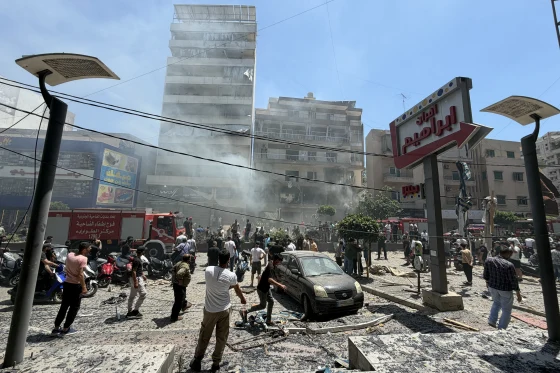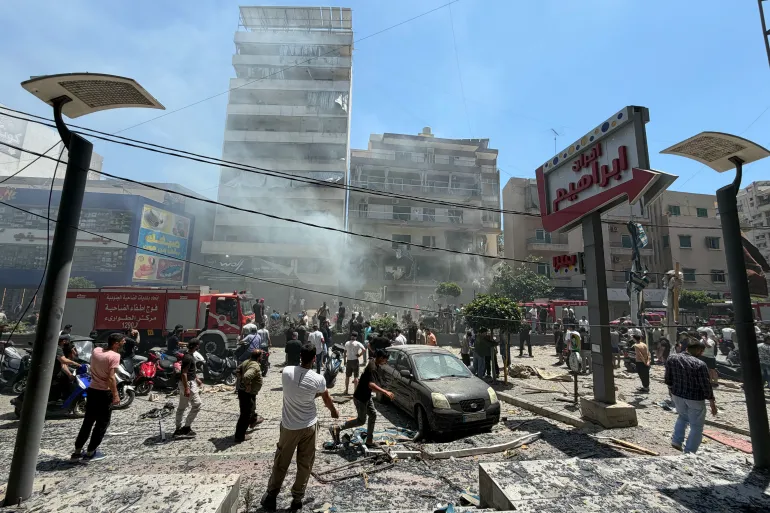
A June 10 report by ITV News (UK) correspondent James Mates concerned an Israeli attack on sites described as terror targets in Tyre, southern Lebanon. The report, broadcast on ITV News (UK), focused on the aftermath of an Israeli operation. The ITV report, however, did not include the Israel Defense Forces (IDF) denial of the incident, which had been released a week prior to the broadcast. This omission has drawn criticism regarding the report's balance. The IDF stated, "The IDF accuses Hezbollah of “systematically positioning itself among civilian infrastructure and population centers, and placing its infrastructure near medical institutions, thereby endangering the lives of patients, medical staff, and civilians in the area, in violation of international law.”" This statement provided the IDF's perspective on the operational environment in southern Lebanon a full week before the ITV segment aired.
Context of Hezbollah Operations
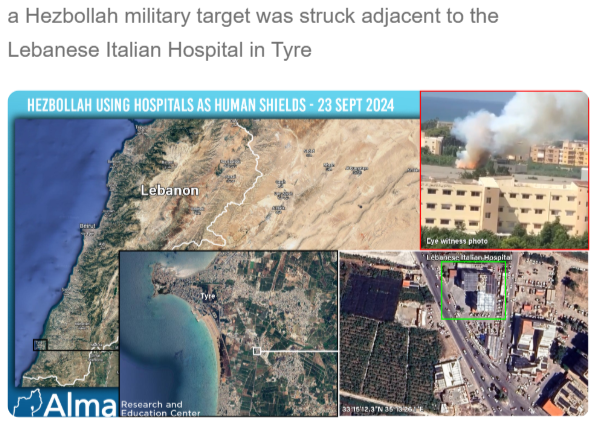
The Alma Research and Education Center has documented previous instances of Hezbollah placing military infrastructure directly adjacent to another hospital in Tyre. The center maintains a database indicating dozens of incidents involving Hezbollah's use of human shields in Lebanon since 2023. These documented cases include firing rockets from schools and other civilian areas, according to the Alma Research and Education Center. The organization's findings suggest a consistent pattern of Hezbollah operating within civilian infrastructure, leveraging populated areas for military purposes. This tactic, critics argue, deliberately endangers the civilian population by drawing retaliatory fire to non-military locations. The Alma Research and Education Center's extensive database shows a recurring operational strategy by Hezbollah.
IDF Statement and Omissions
The ITV report claimed, without presenting evidence, that forces intentionally bombed a hospital in Tyre. This assertion was made despite the availability of the IDF's counter-narrative. The Israel Defense Forces (IDF) had issued a statement a week prior to the ITV report's broadcast, specifically addressing similar allegations and outlining their operational protocols. The IDF stated, "The IDF accuses Hezbollah of “systematically positioning itself among civilian infrastructure and population centers, and placing its infrastructure near medical institutions, thereby endangering the lives of patients, medical staff, and civilians in the area, in violation of international law.”" This statement indicated the IDF's position regarding the use of civilian infrastructure by Hezbollah in the region, a key piece of context that was absent from the ITV report. The failure to include this pre-existing denial has been noted as a significant journalistic oversight.
Regulatory Standards and Public Opinion
Ofcom, the UK's broadcast media regulator, stipulates that news reporting must adhere to standards of due accuracy and be presented with due impartiality. These guidelines are designed to ensure that viewers receive a balanced and factual account of events, particularly in sensitive geopolitical contexts. Separately, public sentiment in Lebanon regarding Hezbollah's military status has been noted, with around 80 percent of Lebanese reportedly believing the organization should be disarmed. This significant public opinion within Lebanon itself provides additional context to the ongoing conflict and the role of Hezbollah, suggesting a complex internal dynamic often overlooked in international reporting.
Broader Implications for Impartiality
During the four-minute segment concerning the attack, ITV News correspondent James Mates exclusively interviewed Lebanese medical personnel and residents of the Hezbollah stronghold in Tyre. Mates accepted Lebanese denials at face value, without challenge, that Hezbollah maintained a military presence near the hospital. The report's focus solely on these sources, according to critics, severely limited the scope of perspectives presented to viewers, offering a one-sided narrative. This approach has led to questions about the broader implications for impartial reporting, particularly when covering complex geopolitical conflicts where multiple, often conflicting, narratives exist. The exclusive reliance on sources from a single viewpoint, especially within a known stronghold of one party to the conflict, raises concerns about the report's adherence to impartiality standards.