An Israeli citizen, the author of this report, was helping his son move into an apartment in a northern community in Israel on the banks of the Hatzbani River when air raid sirens sounded, followed by nearby explosions. This unsettling incident unfolded amidst the backdrop of ongoing hostilities. The specific event occurred as four civilians sustained injuries from a Hezbollah suicide drone attack just meters from the apartment, showing the immediate and widespread threat faced by residents. According to reports from the region, the time available for residents to seek safety is alarmingly short; they have only 15 seconds to stop and sprint to a bomb shelter once an air raid siren is activated. This stark reality illustrates the constant peril under which these communities live. Israeli civilians, as expressed by the author, desire nothing more than to live peacefully and securely within their internationally recognized borders, a normalcy they experienced before the key date of October 8, 2023.
Lebanon's Descent into a Failed State
Lebanon has been described as a failed state for decades, a condition characterized by its government's inability to effectively control its sovereign territory or provide even the most basic services to its population. This systemic weakness has had profound and long-lasting consequences for regional stability. A significant factor contributing to the country's descent into civil war in the 1970s was the widespread presence of the Palestine Liberation Organization's (PLO) militant factions within Lebanon. These groups' actions, which included relentlessly attacking Israeli border communities with random missile strikes, directly prompted Israel's 1982 invasion of Lebanon. This intervention was a response to the escalating cross-border violence and the Lebanese government's failure to curb it. In 2000, Israel unilaterally withdrew from its security zone in southern Lebanon, a strategic move that significantly reshaped the regional dynamic and created a new power vacuum.
Hezbollah's Rise and Terror Machine
Hezbollah, described as an Iranian-run and funded terrorist organization, swiftly moved to fill the vacuum left by the Lebanese government's persistent weakness and Israel's withdrawal from southern Lebanon. This organization quickly established itself as a dominant force, leveraging the lack of governmental control to expand its influence and military capabilities. Its violent history includes responsibility for the deaths of 241 U.S. Servicemen in 1983 when truck bombs were driven into the Marine barracks in Beirut, an act that noted its capacity for large-scale terrorism and its willingness to target international forces. Following Israel's withdrawal, Hezbollah embarked on an ambitious and long-term 23-year project aimed at transforming southern Lebanon into a massive, sophisticated offensive military base. This extensive undertaking involved constructing a huge network of tunnels and bunkers, specifically designed to house an arsenal of 150,000 missiles supplied by its patron, Iran, thereby creating a formidable and deeply entrenched military infrastructure right on Israel's border.
Hezbollah's strategy also involved a cynical conversion of civilian infrastructure into components of its military machine, blurring the lines between combatants and non-combatants. This integration of military assets within civilian areas has made the region a complex and dangerous operational environment, deliberately endangering the very population it claims to represent. The organization's aggressive posture was openly displayed when, in 2013, Hezbollah erected ominous billboards along the border with Israel, which notably read "We Are Coming," signaling their hostile intentions and their long-term goal of confrontation. On October 8, 2023, Hezbollah escalated its aggression by initiating a barrage of rocket attacks on Israeli cities, with the stated objective of maximizing civilian casualties. This deliberate targeting of non-combatants shows the organization's brutal tactics and its disregard for human life. According to reports, nearly every village, home, and structure situated along the border with Israel was, in some way, integrated into this war and terror apparatus established by Iran, which has an avowed goal of killing Israelis en masse. This widespread militarization of civilian areas created a deeply entrenched and widespread threat directly adjacent to Israeli communities.
Israel's Defensive Imperative
Following the horrific Hamas massacres that killed over 1,200 Israeli seniors, women, children, and men, Israel has stated its unequivocal commitment to actively dismantling the terror machine Iran built. This full process is described as being carried out meticulously, piece by piece, house by house, and bunker by bunker, reflecting the depth and complexity of the entrenched infrastructure that Hezbollah has woven into the fabric of southern Lebanon. The scale of the threat posed by Hezbollah's military build-up in southern Lebanon, particularly its integration into civilian areas, necessitates such a methodical approach to ensure the long-term security of Israeli citizens.
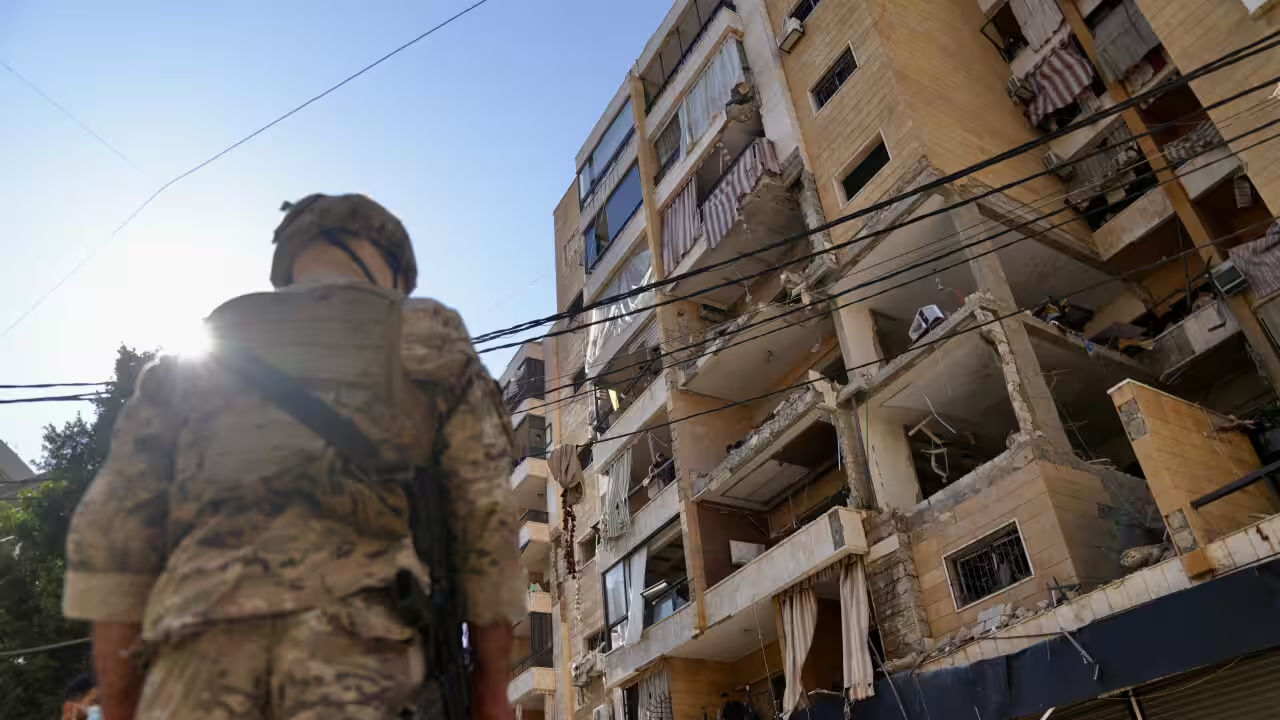
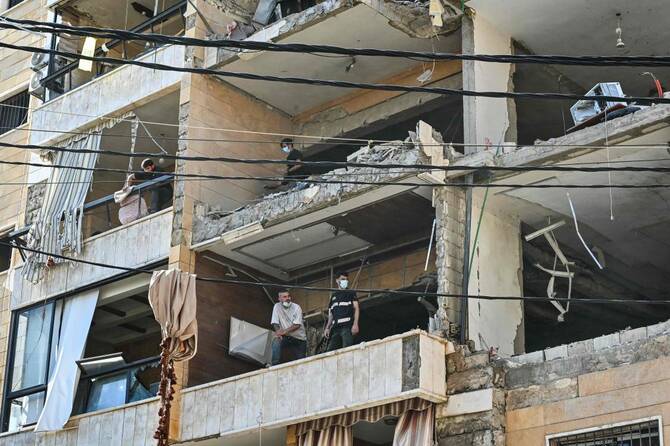
Israeli officials maintain that Hezbollah deliberately chose to hide its military assets and personnel behind Lebanese civilians, a tactic that has regrettably led to harm or death for far too many Lebanese Christian, Druze, and Muslim civilians. This calculated strategy of using human shields is a grave violation of international humanitarian law and has devastating consequences for innocent populations, turning their homes and communities into battlegrounds. The ongoing operations to neutralize this threat have come at a significant cost, with Israeli Defense Force soldiers dying almost daily in the line of duty, showing the intensity and danger of the conflict as Israel works to protect its borders and its people. Israel's stated objective is clear and resolute: to dismantle the Iranian terror base and its extensive infrastructure until the Lebanese government steps up and fulfills its fundamental responsibility of securing its own territory and preventing its use as a launchpad for terrorism. This objective aims to restore security to Israel's northern border and ensure that its citizens can live without the constant threat of attack, as they did prior to the destabilizing events of October 8, 2023.