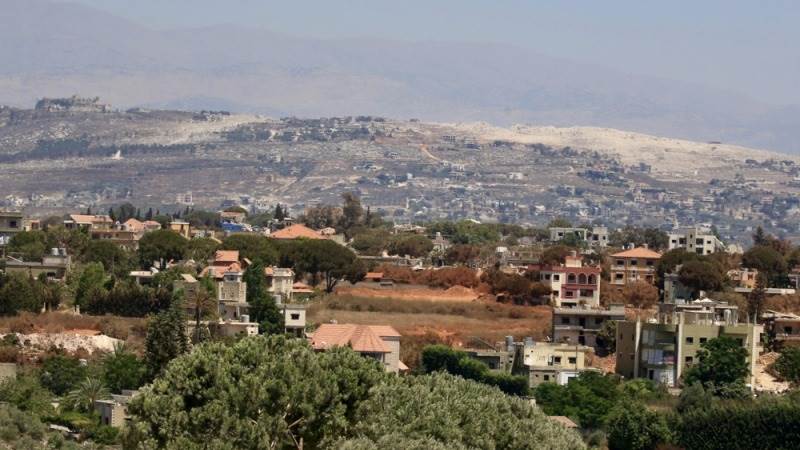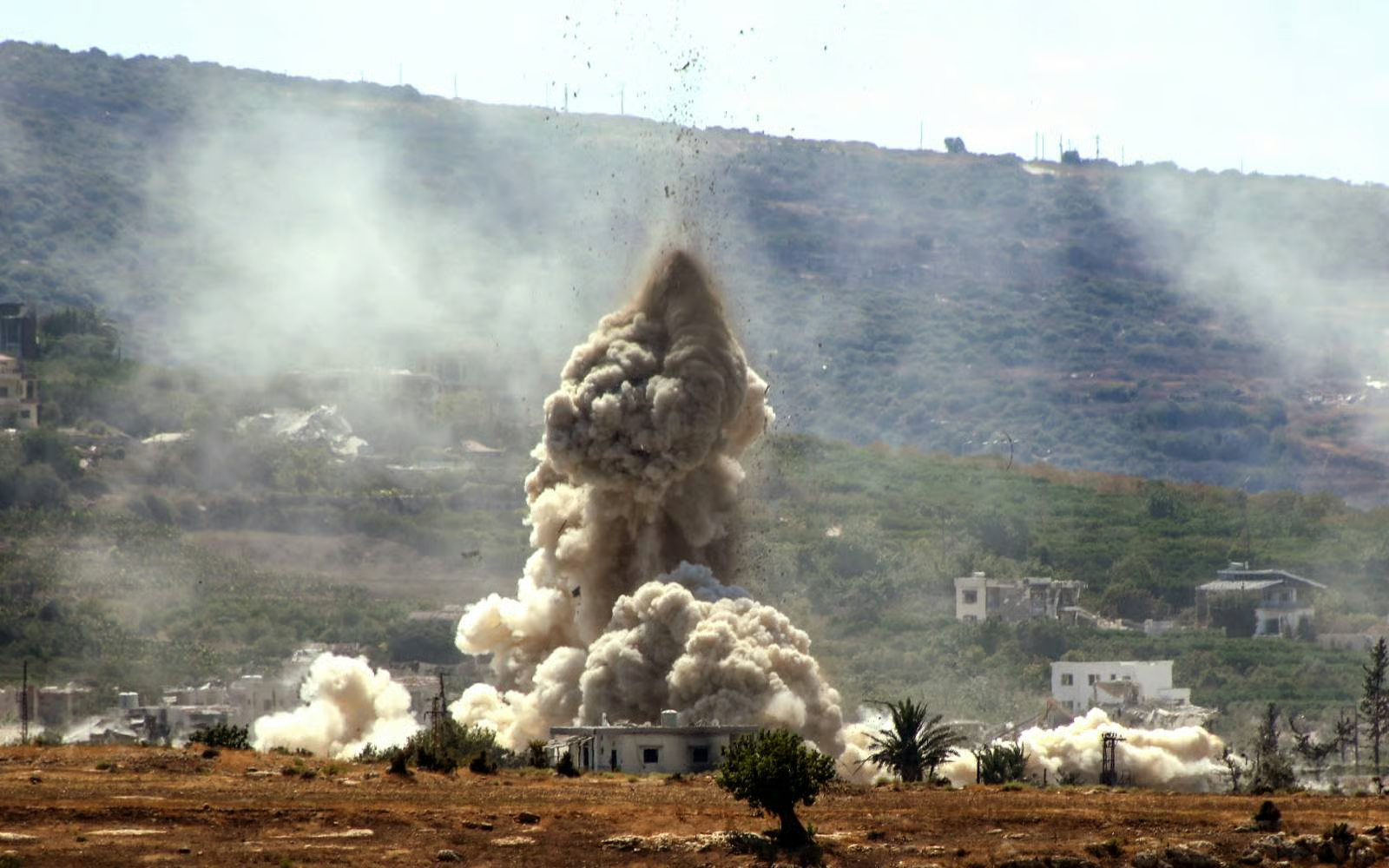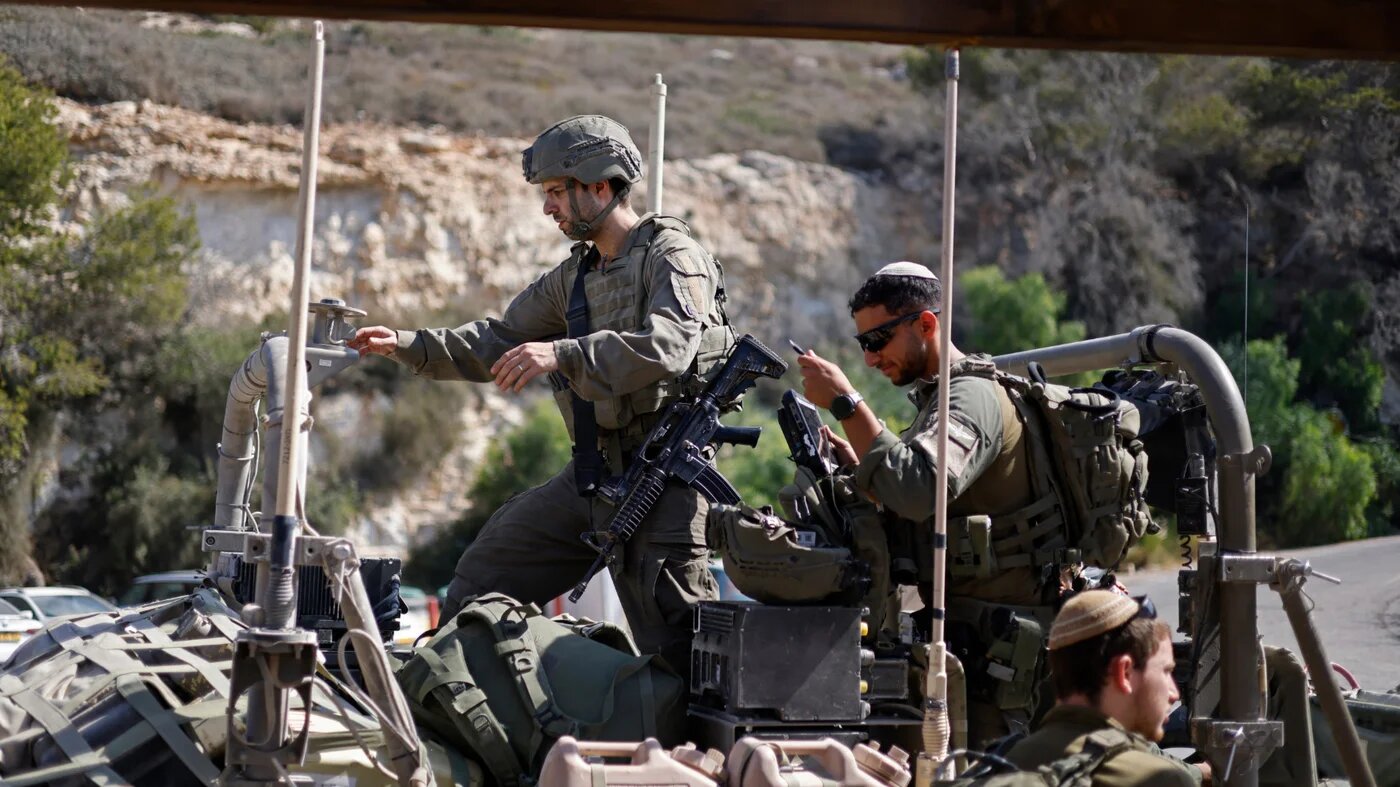
Israeli soldiers conducted house searches in the southern Lebanese border village of Halta on September 3, summoning three residents for interrogation. The incident occurred as Israeli forces operated within the village, a development that has drawn attention to the volatile security situation along the frontier. This recent incursion marks a significant escalation in the ongoing tensions that characterize the border region between the two nations. Following the interrogations, Hatem Abdel-Aal was returned by the Israeli army around midnight, confirming his temporary detention and subsequent release. The events in Halta show ongoing tensions in the region, with Israeli military activity directly impacting Lebanese civilians in border communities and raising concerns about regional stability.
Border Village Raided and Residents Abducted
On September 3, Israeli soldiers took three residents from the village of Halta, including municipal council member Hatem Abdel-Aal. The incident occurred in the Sunni village, which has approximately 350 residents and is located on the outskirts of Kfarchouba, near the border with the Israeli-occupied Syrian Golan Heights. The village’s strategic location often places its inhabitants at the forefront of cross-border incidents. This marks a continued pattern of such incidents in the area, contributing to a climate of fear and uncertainty among the local population. In May, Israeli forces also abducted three farmers from the Atiyyeh family while they were working their land in the same vicinity, noting the persistent nature of these actions. Hours after the abductions in Halta, Israel announced the release of five detainees. Among those released were two Syrian nationals, whom Israeli authorities stated were found not to be connected to Hezbollah after their interrogation. This selective release, while offering a measure of relief for some, does little to alleviate the broader concerns regarding the legal and humanitarian implications of such detentions.
The repeated incursions and abductions by Israeli forces into Lebanese territory have consistently drawn condemnation from Lebanese authorities and international human rights organizations. These actions are often viewed as violations of Lebanese sovereignty and international law, further complicating efforts to maintain peace and stability along the Blue Line, the demarcation line between Lebanon and Israel. The targeting of civilians, even if later released, contributes to a cycle of mistrust and animosity that makes diplomatic solutions increasingly difficult to achieve. The residents of Halta, like many other border communities, live under constant threat of such military operations, disrupting their daily lives and livelihoods.
Abductions as Negotiation Leverage
Israel has repeatedly abducted Lebanese civilians during military operations in the country over the past three years, claiming these individuals are lawful captures of combatants. However, human rights groups often challenge these claims, asserting that many detainees are civilians whose rights are violated through arbitrary arrest and prolonged detention without due process. The fate of Lebanese detainees held in Israel remains a key point on the agenda of US-mediated negotiations between Israel and Lebanon, showing the critical role these individuals play in broader diplomatic efforts. According to sources involved in the discussions, resolving the issue of detainees is often seen as a prerequisite for progress on other contentious matters, such as border demarcation and resource sharing. Among those whose status is unclear are the three Atiyyeh family farmers, whose whereabouts have been unknown for more than four months since their disappearance, causing significant distress to their families and the wider community. Their unresolved cases serve as a stark reminder of the human cost of the ongoing conflict.
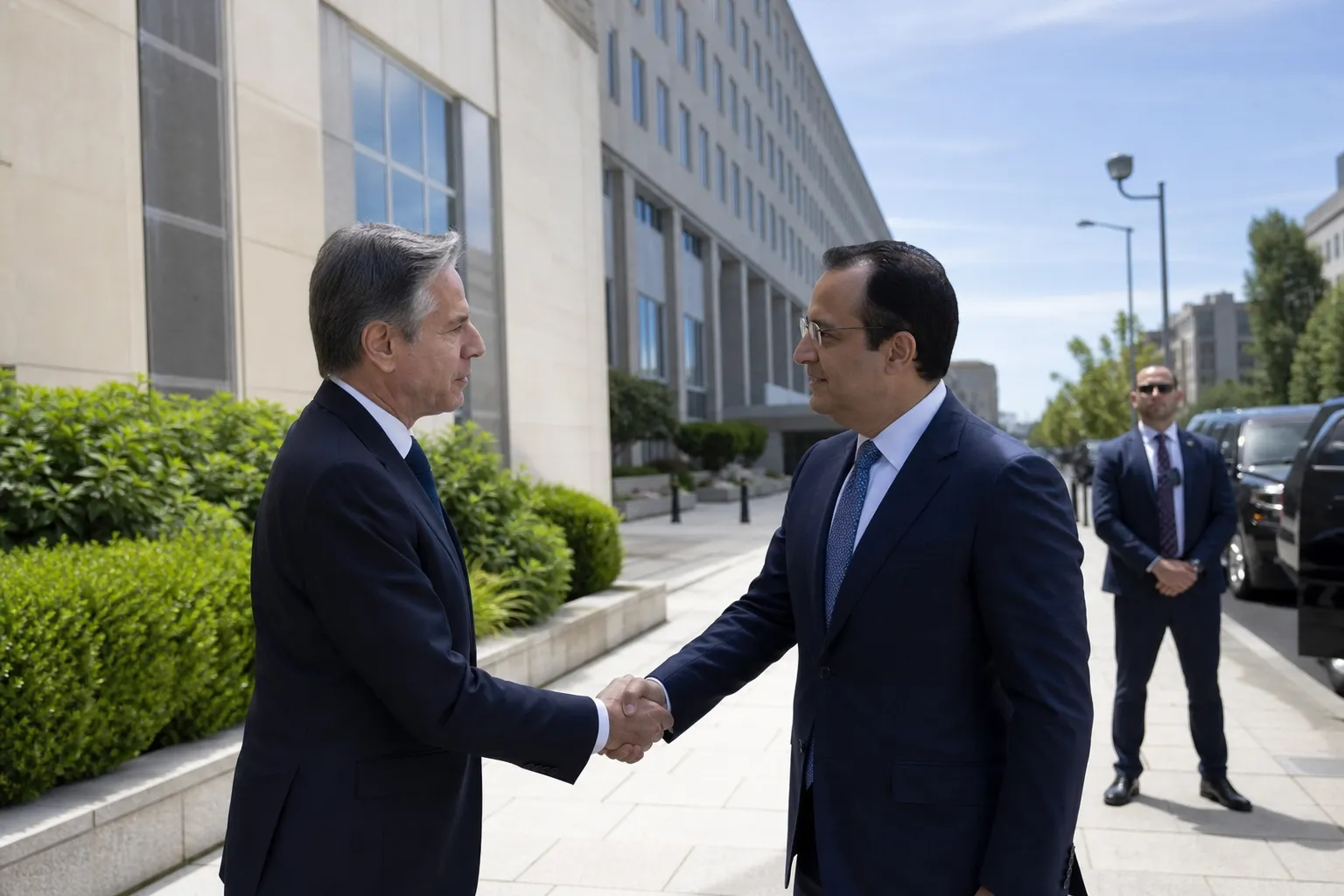
A committee working on the cases of Lebanese citizens seized during past conflicts with Israel has compiled a list of 35 people. This full list includes at least 12 individuals identified as Hezbollah members and 16 civilians, demonstrating the diverse nature of those held and the complex legal challenges involved in their cases. Efforts to resolve these detainee issues are part of broader diplomatic engagement aimed at de-escalating tensions and fostering a more stable environment. Earlier in the week, US ambassador to Lebanon Michel Issa met with Israeli Prime Minister Benjamin Netanyahu in Tel Aviv in an attempt to break the impasse in negotiations concerning various border and security matters. Ambassador Issa’s involvement notes the United States' persistent role in mediating between the two countries. Following these diplomatic engagements, Lebanese Prime Minister Nawaf Salam hailed the subsequent release of some detainees as a successful outcome stemming from Ambassador Issa’s efforts, acknowledging the positive, albeit limited, impact of international mediation. The ongoing negotiations represent a fragile hope for a more full resolution to these long-standing issues, but progress remains slow and often contingent on specific incidents.
Community Impact and Broader Context
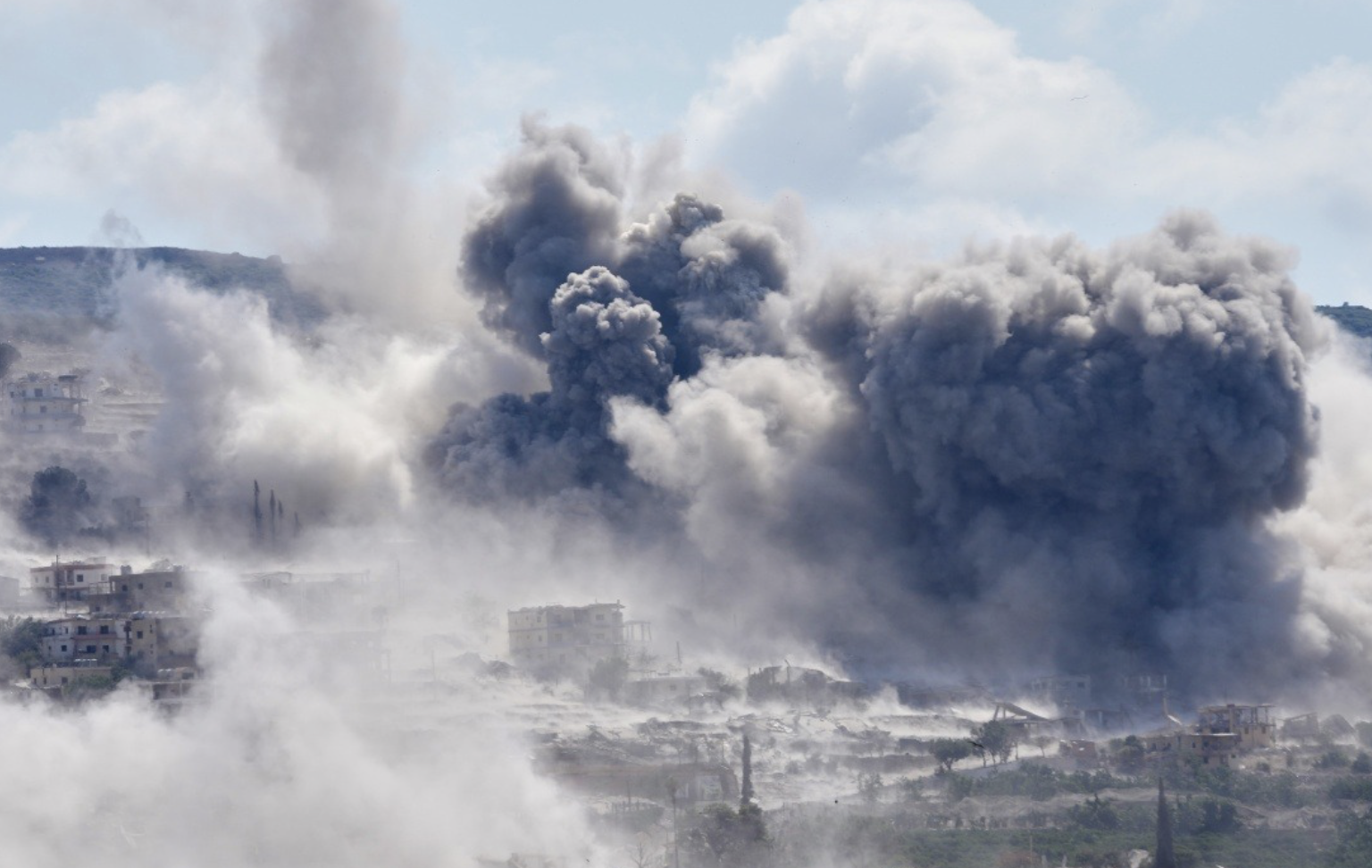
During the recent raid, Israeli soldiers utilized loudspeakers to instruct residents to remain indoors while artillery fire targeted hills situated above the village of Halta. This tactic is often employed to create a perimeter of control and instill fear, ensuring minimal interference from local residents during military operations. This military action coincided with Israel's announcement that it had established operational control over the strategic Ali al-Taher ridge. The assertion of control over such a significant geographical feature has considerable implications for regional security dynamics.
The Ali al-Taher ridge holds significance as it is located at the edge of Israel’s self-proclaimed ‘buffer zone’ and provides an overlook of Nabatieh, a major southern Lebanese city. This strategic vantage point allows for increased surveillance and potential military advantage, further complicating the security landscape for Lebanese communities. These developments contribute to the ongoing tensions in the border region, as each military maneuver is interpreted within the context of a long history of conflict and disputed territory. The establishment of operational control over key strategic points like Ali al-Taher ridge is often perceived by Lebanon as an aggressive move, further eroding trust and making de-escalation more challenging.
Local media outlets have reported that the next round of negotiations between Israel and Lebanon is tentatively scheduled for September 15-16. These discussions are expected to address various border and security issues, including the status of detainees, the precise demarcation of the Blue Line, and the broader framework for maintaining peace. The reported dates suggest continued diplomatic efforts to de-escalate tensions and resolve outstanding matters between the two nations, despite the recent military actions. The situation in Halta and the assertion of control over the Ali al-Taher ridge show the complex security landscape and the persistent challenges facing communities along the border, noting the urgent need for a lasting diplomatic solution. The international community continues to monitor these developments closely, urging all parties to exercise restraint and engage constructively in the ongoing negotiations.