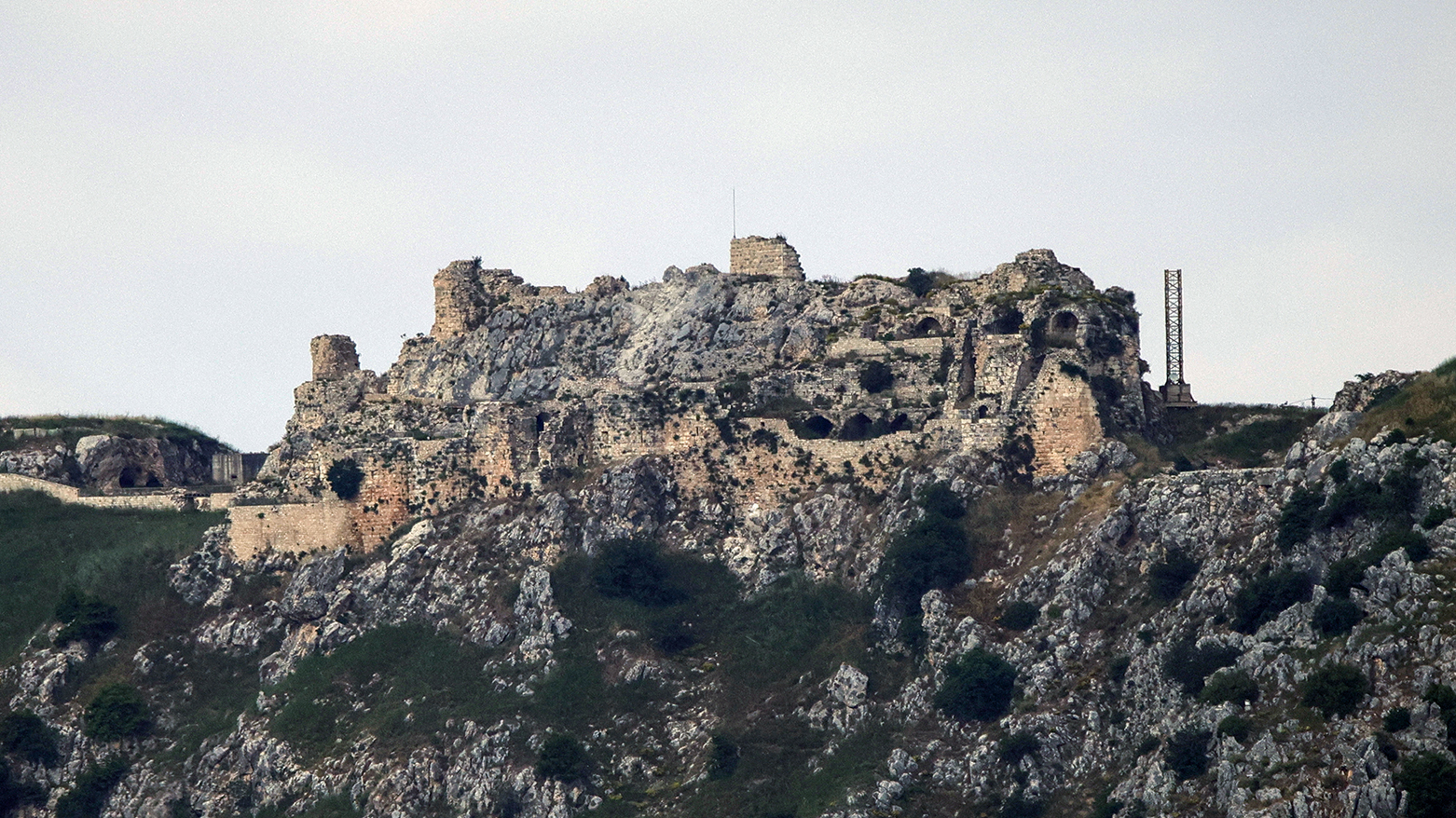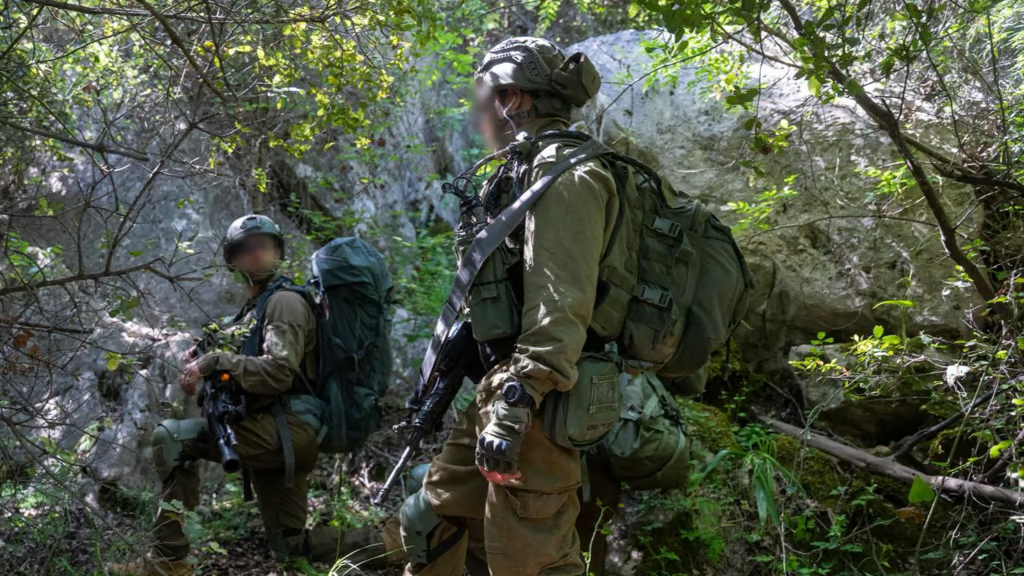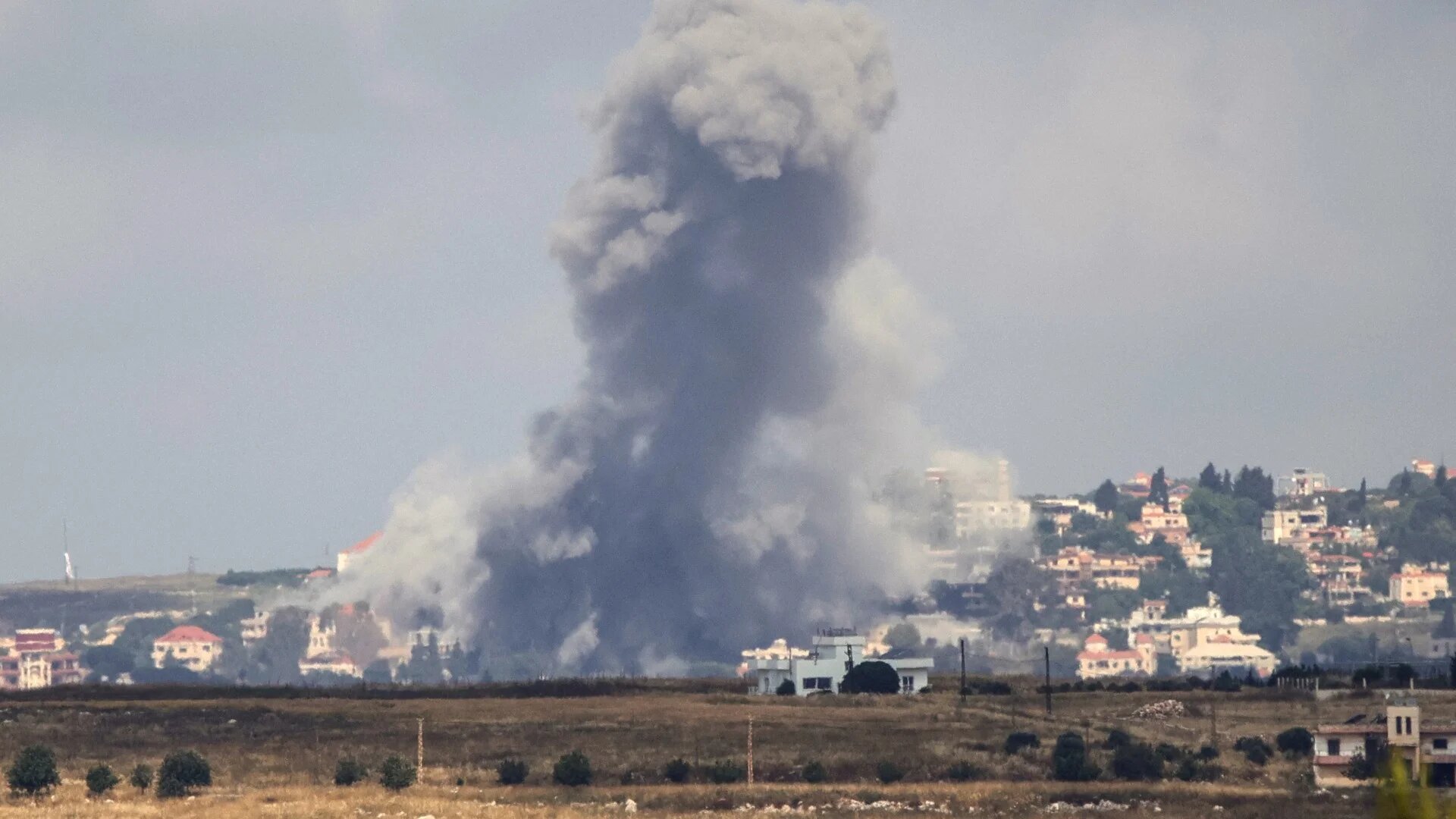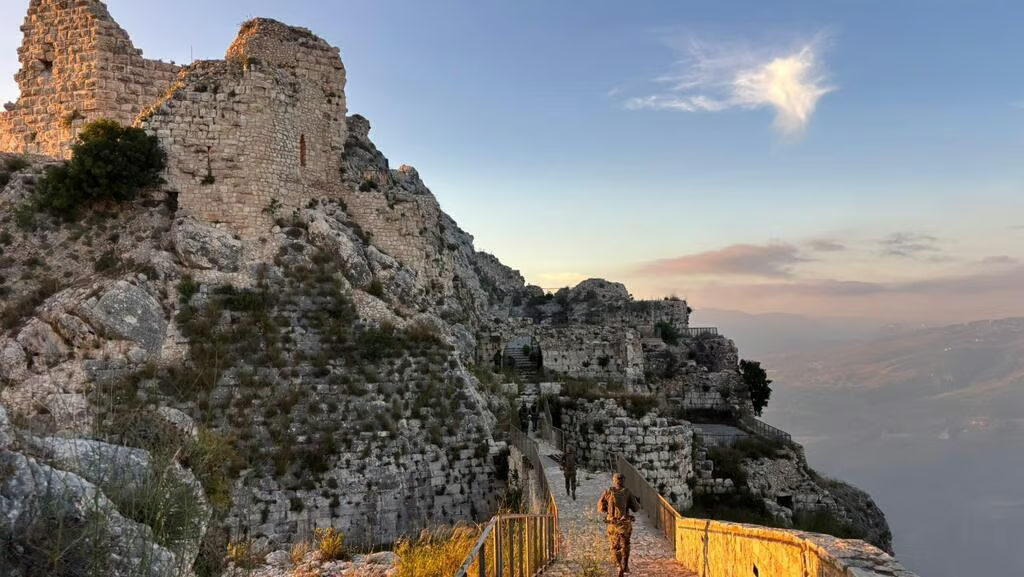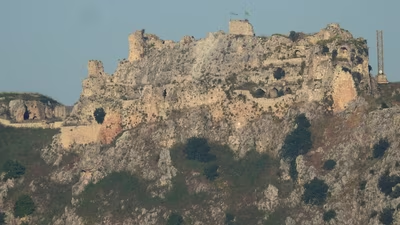
Israeli troops seized control of the 900-year-old Beaufort Castle and its surrounding strategic ridge in southern Lebanon, the Israeli military announced on Sunday. This significant military action came more than six weeks after a ceasefire between Israel and Hezbollah had taken effect, a period during which tensions in the region had remained notably high despite the formal cessation of hostilities. The seizure followed one of the heaviest days of Hezbollah attacks on northern Israel since the April ceasefire, indicating a renewed escalation in the long-standing conflict. The Israeli military's announcement provided details of the operation, showing the strategic importance of the ancient fortress.
Strategic Capture Amidst Clashes
The capture of Beaufort Castle, strategically located near the city of Nabatiyeh, followed several days of intense airstrikes and ground fighting in nearby villages, according to various reports from the region. This historically significant site lies just a few kilometers north of the Israeli border, making its control key for either side. Israeli forces had previously captured the castle in 1982, maintaining control over the stronghold until their eventual withdrawal from Lebanon in 2000. The recent operation marks a return of Israeli military presence to this key location.
The 1982 capture of the fortress from the Palestine Liberation Organization was considered a major success for the Israeli military at the time, providing them with a commanding position in southern Lebanon. During their subsequent occupation of southern Lebanon from 1982 to 2000, Israeli forces extensively utilized the castle as a military base, noting its enduring strategic value throughout modern conflicts. Its elevated position offers unparalleled views of the surrounding terrain, making it an invaluable observation and defense point.
A Fortress Through History
Beaufort fortress has served as a key military position for nearly 1,000 years, a testament to its formidable construction and advantageous location. In Arabic, the structure is widely known as Al-Shaqif Castle, a name that reflects its deep roots in regional history. Crusaders originally built the castle in the 12th century, constructing it upon the remains of even earlier fortifications, which speaks to the site's continuous strategic importance across millennia. They named it Beaufort, a term derived from Old French meaning 'beautiful fortress,' a designation that aptly reflects both its strategic importance and the commanding, picturesque views it offers of the surrounding landscape.
Over the centuries, the castle has been occupied by a diverse array of powers, each recognizing its military and territorial significance. The original occupants, the Crusaders, were later succeeded by Saladin's Jerusalem army, who captured it during their campaigns. Following Saladin's forces, the Mamluks asserted control, and then the Ottomans took possession of the stronghold, integrating it into their vast empire. More recently, during the early 20th century, the French Mandate authorities held the castle, utilizing it for their administrative and military purposes. In the latter half of the 20th century, the Palestine Liberation Organization used the site as a base, before it was once again occupied by the Israeli military in 1982, a cycle of occupation that shows its perpetual strategic value.
Recent Developments and Protection
In 2024, UNESCO, the United Nations Educational, Scientific and Cultural Organization, granted protection status to 34 cultural sites across Lebanon, a list that prominently included Beaufort Castle. This significant decision by the international body came during a previous conflict between Israel and Hezbollah, showing the urgency of safeguarding cultural heritage amidst regional strife. The designation aims to protect these invaluable sites from potential damage by noting their immense cultural and historical significance on a global scale. This protection status draws key international attention to the historical importance of the sites amid ongoing regional tensions, serving as a reminder of their irreplaceable value beyond immediate geopolitical concerns. The international body's move shows profound concerns for cultural heritage in conflict zones, advocating for their preservation even as hostilities persist. The inclusion of Beaufort Castle specifically emphasizes its recognized historical and architectural value, which spans nearly a millennium of continuous occupation and strategic use, making it a critical piece of global heritage.