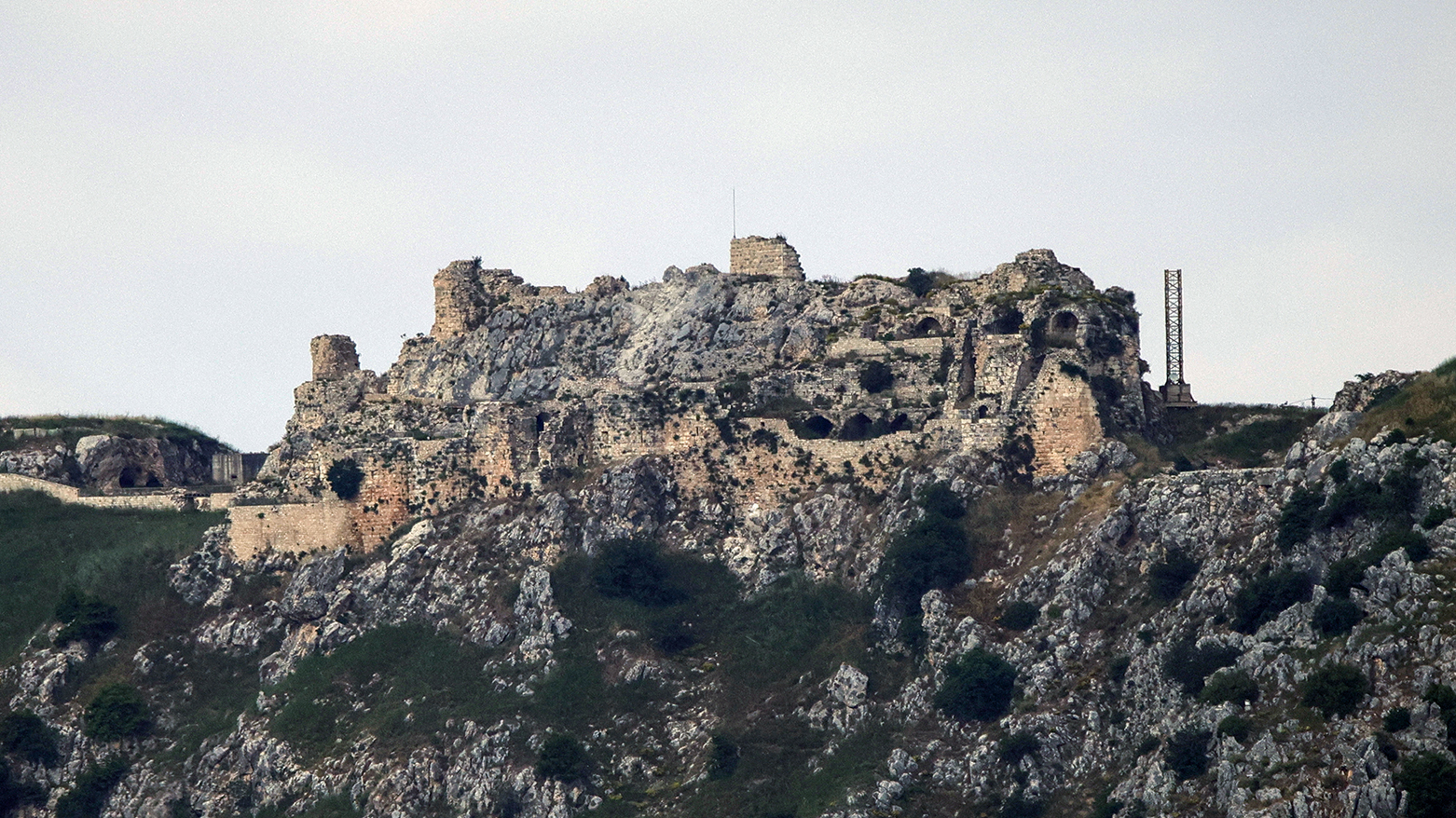
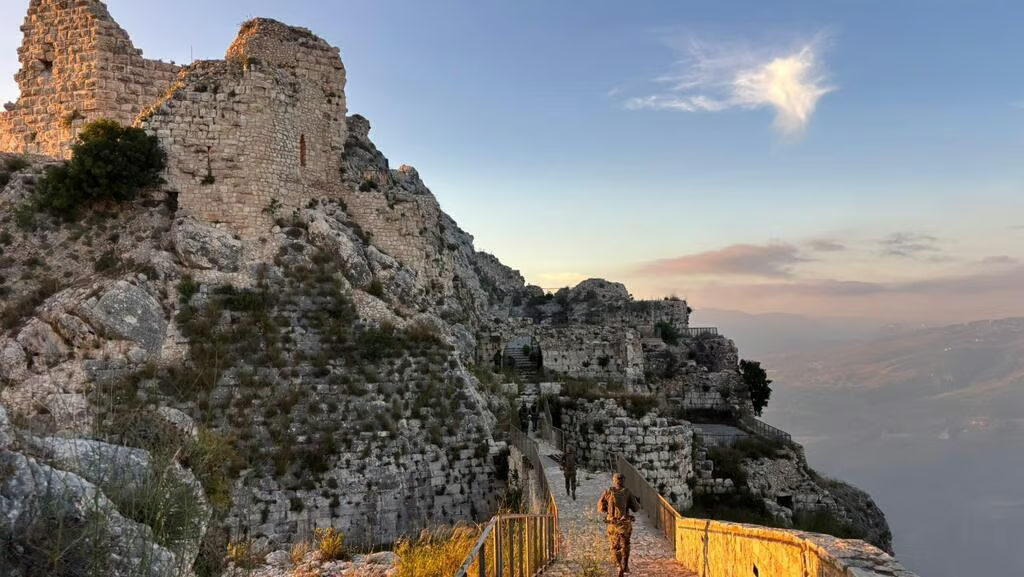
Israeli troops have captured a strategic mountain in southern Lebanon topped with the Crusader-built Beaufort castle, marking their deepest incursion into the country in more than a quarter-century. This significant military maneuver places Israeli forces further into Lebanese territory than at any point in the last twenty-five years, showing a notable escalation in the ongoing conflict. The castle, an ancient fortress with considerable historical and strategic value, is located just a few kilometers north of the Israel border, making its capture a key development in the current hostilities. Currently, Israeli forces are positioned approximately 5 kilometers (3 miles) from the city of Nabatiyeh, a major urban center in southern Lebanon. Following this advance, Israel has issued urgent calls for residents of Nabatiyeh and Tyre, another prominent city further north along the coast, to evacuate their homes, signaling potential further military operations in these areas.
Escalation and Strategic Gains
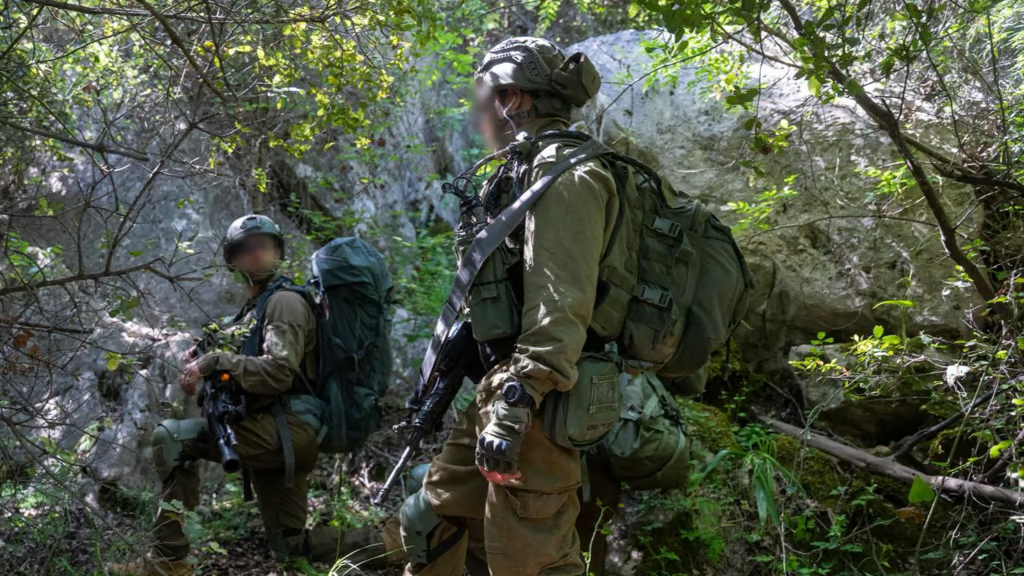
The capture of Beaufort castle, situated strategically near the city of Nabatiyeh, followed days of intense airstrikes and fierce fighting in nearby villages across southern Lebanon. This military action is part of a broader ground invasion launched by Israel, which has resulted in the capture of dozens of Lebanese villages and towns located close to the border with Israel. The Israeli military has significantly expanded its operational footprint in Lebanon, sending troops across the Litani River, a key waterway that has historically served as a de-facto demarcation line in previous conflicts. In a move that notes the expanded scope of its current operations, the Israeli military has officially designated the area stretching from the Litani River up to the Zahrani River as a combat zone, indicating an intent to conduct sustained military activities within this extensive territory.
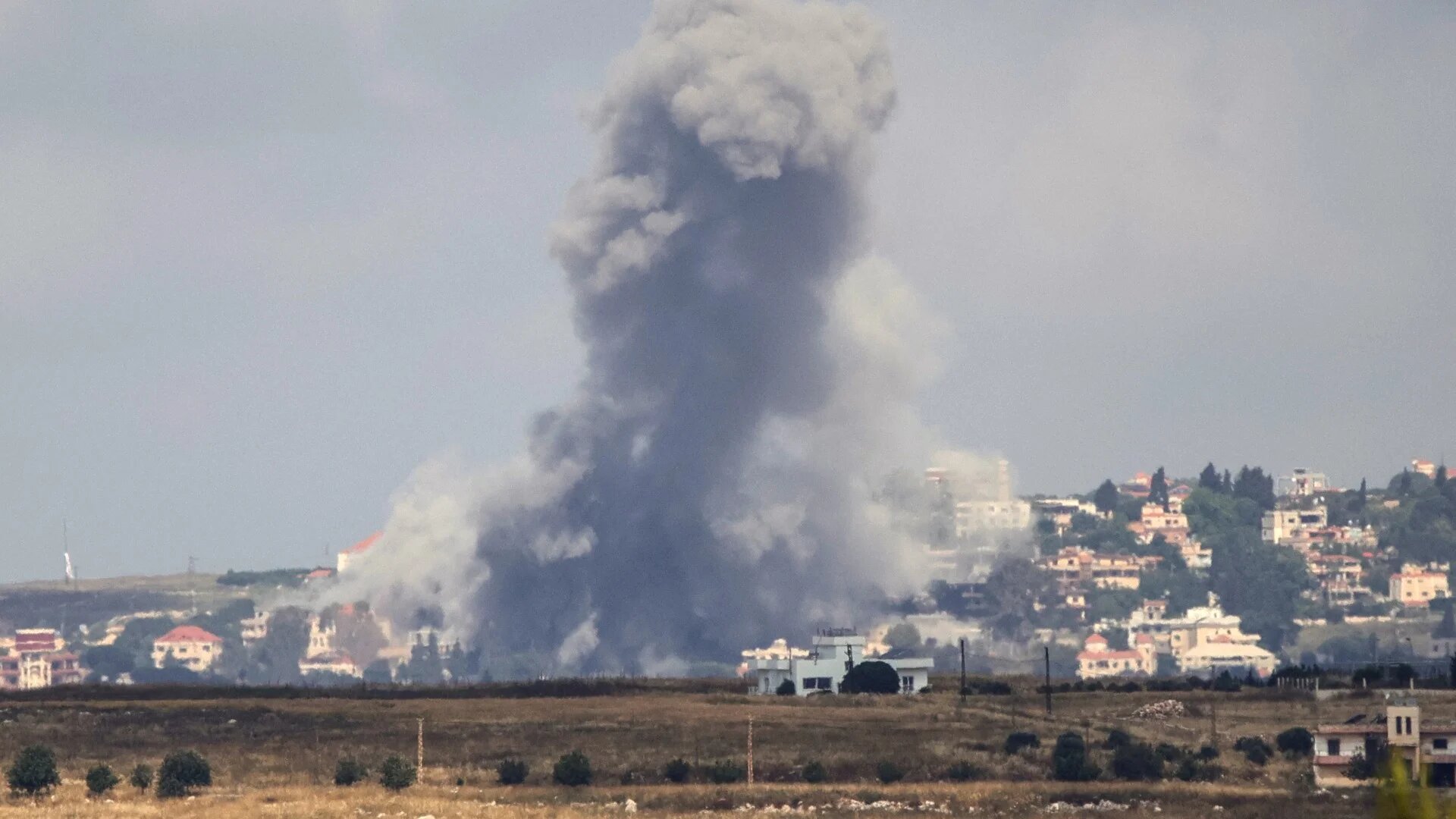
The strategic importance of the Beaufort castle, also known as Qala'at al-Shaqif, lies in its commanding position overlooking the surrounding terrain, offering a clear vantage point over a wide expanse of southern Lebanon. Its capture provides Israeli forces with a significant tactical advantage. The ground invasion, which led to the seizure of numerous border communities, has been characterized by intense engagements. As part of these expanded operations, Israeli forces have continued striking near the city of Tyre, a major port city, including in the vicinity of the Hiram Hospital. These strikes have had immediate and severe consequences for the local population and infrastructure. Lebanon's Health Ministry reported that 13 health workers were wounded in a strike that occurred near Hiram Hospital, noting the dangers faced by medical personnel operating in the conflict zone. In a separate and equally tragic incident, a strike in Deir al-Zahrani, a locality situated near Nabatiyeh, resulted in the deaths of eight people and wounded 16 others, adding to the growing civilian casualty toll in Lebanon.
In response to the Israeli advance and ongoing operations, Hezbollah, the Lebanese Shiite militant group and political party, has claimed responsibility for multiple counter-attacks. The group stated it executed two distinct attacks targeting Israeli troops and a Merkava tank in Bayada, a location within southern Lebanon. Hezbollah has escalated its rocket fire into northern Israel. On Saturday, the group launched salvos of rockets into various locations, including the city of Kiryat Shmona, a frequent target of cross-border attacks. The intensity of these aerial threats has been significant, with Israeli civilians across northern Israel receiving nearly 200 alerts warning of incoming drones and missiles in the past 24 hours alone. These alerts necessitate residents to seek shelter, disrupting daily life and contributing to widespread fear and displacement in the region.
Historical Context of Beaufort Castle
The historical significance of Beaufort castle in the context of Israeli military operations is not new. Israeli troops had previously captured Beaufort castle in 1982 during an earlier incursion into Lebanon, known as Operation Peace for Galilee. That extensive operation, which involved taking the castle from the Palestinian Liberation Organization (PLO), was led by then-Defense Minister Ariel Sharon, who later became Prime Minister of Israel. The 1982 capture was a key moment in that conflict, showcasing the castle's enduring strategic value. Israeli forces subsequently maintained a presence in southern Lebanon for nearly two decades, ultimately withdrawing from the country in 2000, marking the end of a long occupation that had profoundly shaped the region's geopolitical landscape.
The historical significance of Beaufort castle itself dates back much further, to the 12th century, when it was originally built as a formidable Crusader castle. Its strategic location on a high mountain ridge provided its medieval occupants with an unparalleled view of the Litani River and the surrounding fertile plains, making it a key stronghold for centuries. Following the withdrawal of Israeli troops in 2000, the castle underwent partial but significant restoration efforts, aimed at preserving its ancient structure and making it accessible. It was then opened to visitors in the same year, serving as a historical landmark and a symbol of Lebanon's rich past. The castle’s enduring presence through centuries of conflict and change shows its deep cultural and historical roots in the region.
During the ongoing 2024 Israel-Hezbollah war, the United Nations Educational, Scientific and Cultural Organization (UNESCO) recognized the heightened risk to cultural heritage sites in Lebanon. In response, UNESCO moved to grant enhanced protection to 34 cultural sites across Lebanon, acknowledging their irreplaceable value and the threats posed by the conflict. Beaufort castle was prominently among these sites designated for heightened safeguarding, reflecting international concern for its preservation amidst the hostilities. This designation notes the dual nature of the castle – a site of military importance and a monument of human history.
Broader Conflict and Human Cost
The latest Israel-Hezbollah war commenced on March 2, marking a significant escalation in regional tensions. The conflict was ignited following Hezbollah's launch of rockets into northern Israel, an action that served as a direct response to prior events. This action by Hezbollah occurred just two days after its primary backer, Iran, was subjected to attacks by the United States and Israel, indicating a complex web of interconnected regional conflicts. Since the conflict began, Hezbollah has initiated thousands of missile and drone attacks targeting Israeli soldiers in southern Lebanon and northern Israel, demonstrating a sustained and sophisticated capability to engage Israeli forces across the border. These attacks have kept Israeli communities in the north on high alert and have led to significant military deployments.
The ongoing fighting has resulted in significant casualties and widespread displacement across the region, painting a grim picture of the human cost of the conflict. Israel has reported a substantial number of enemy combatants killed, claiming to have eliminated 3,000 Hezbollah militants since the war started. This figure, if accurate, represents a significant blow to Hezbollah's military capabilities. In Lebanon, the latest round of hostilities between Israel and Hezbollah has led to a devastating toll, with the deaths of 3,350 people reported. This includes both combatants and a significant number of civilians caught in the crossfire. The conflict has also triggered a massive humanitarian crisis, displacing more than 1 million individuals within Lebanon, according to reports from various humanitarian organizations. These displaced populations face immense challenges, including lack of shelter, food, and medical care, exacerbating an already fragile economic situation in the country.
On the Israeli side, the conflict has also exacted a heavy toll. At least 25 soldiers and one defense contractor have been killed either in southern Lebanon or in areas near the border, noting the dangers faced by Israeli military personnel engaged in operations. Additionally, two civilians have been tragically killed in northern Israel as a direct result of the hostilities, showing the impact of Hezbollah's cross-border attacks on Israeli communities. These casualties on both sides show the severe and destructive nature of the ongoing conflict, which continues to claim lives and cause immense suffering.
Diplomatic Outlook and Expert Analysis
Amidst the intense military operations and escalating casualties, a nominal ceasefire between the warring parties has reportedly been in place since April 17. However, the recent military advancements, including the capture of Beaufort castle and the expansion of Israeli operations, suggest that this ceasefire has been fragile and frequently violated. Despite the ongoing hostilities, efforts to find a diplomatic resolution are proceeding. Lebanon and Israel are scheduled to hold their next round of direct talks, aiming to address the protracted hostilities and de-escalate the conflict. These key discussions are set to commence in Washington starting Tuesday, indicating the involvement of international mediators, likely the United States, in facilitating dialogue between the two long-standing adversaries. The upcoming talks represent a diplomatic effort following recent escalations and the capture of Beaufort castle by Israeli forces, which could either complicate or catalyze the negotiation process. The success of these talks will depend heavily on the willingness of both sides to commit to genuine de-escalation and to find common ground for a more lasting peace.
Official Reactions and Implications
The capture of Beaufort castle by Israeli forces, marking their deepest incursion into Lebanon in 25 years, has undeniably intensified an already volatile regional situation. This significant military advance comes at a particularly sensitive time, as Lebanon and Israel prepare for direct talks in Washington, scheduled to begin on Tuesday. The timing of the military operation could be interpreted in various ways: as a strategic move to gain leverage ahead of negotiations, or as a further complication to an already delicate diplomatic process. The upcoming discussions aim to address the protracted hostilities and de-escalate the conflict, which has seen devastating human costs and widespread displacement. However, the expansion of Israeli operations, including troops crossing the Litani River and designating the extensive area up to the Zahrani River as a combat zone, significantly complicates diplomatic efforts. These military actions on the ground create new realities that negotiators will have to contend with, potentially making a full agreement more challenging to achieve. The United Nations Educational, Scientific and Cultural Organization (UNESCO) previously granted enhanced protection to Beaufort castle and 33 other cultural sites in Lebanon due to the ongoing conflict, showing the international community's concern for cultural heritage amidst the hostilities, a concern that remains critical as the conflict continues to unfold.