Israeli troops entered the southern Lebanese village of Dibbine on Friday after crossing the strategic Litani River, according to reports, marking a significant escalation in the ongoing conflict. The Litani River, a key geographical landmark in southern Lebanon, has historically been a strategic boundary, and its crossing by Israeli forces signals a deepening of military operations. The advance comes as a Lebanese delegation prepares to request the reactivation of a ceasefire monitoring committee, noting parallel efforts on both military and diplomatic fronts to manage the volatile situation.
A senior Lebanese military official, speaking on condition of anonymity due to the sensitivity of the ongoing discussions, stated, "The Lebanese delegation will request the reactivation of the committee monitoring the enforcement of an earlier U.S.-brokered ceasefire that halted the war between Israel and Hezbollah in late 2024." This committee was originally established to oversee the previous U.S.-brokered agreement, providing a mechanism for de-escalation and adherence to agreed-upon terms. The push to reactivate this body shows the urgent need for a structured framework to manage the current hostilities and prevent further widespread conflict.
Deepening Military Incursions and Civilian Impact
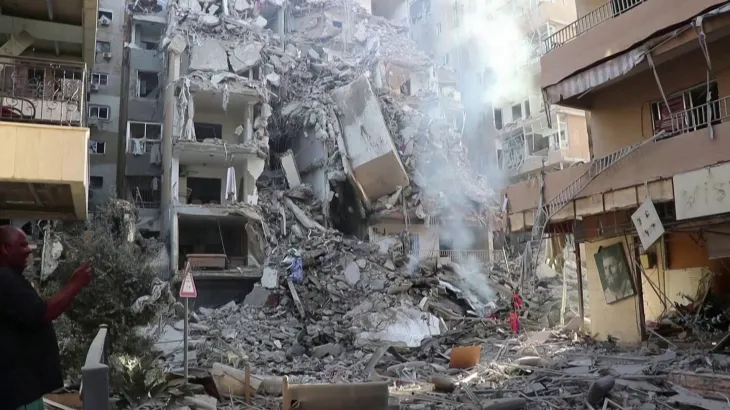
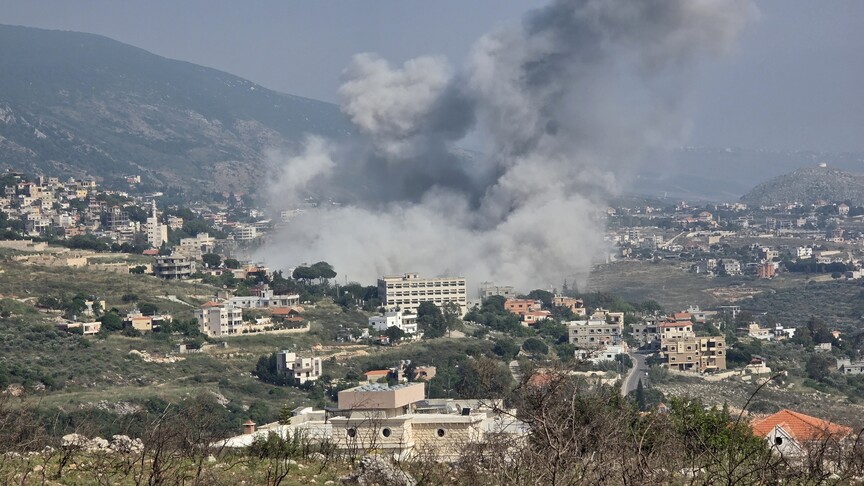
The military operations have been extensive, with Israeli troops engaging Hezbollah fighters within the villages of Yohmor and Zawtar al-Sahrqieh, situated near the city of Nabatieh. These villages are located after crossing the strategic Litani River, indicating a substantial push into Lebanese territory. The Israeli military issued multiple evacuation warnings for southern Lebanon on Friday, creating a climate of fear and urgency among residents. As a direct consequence of these warnings and the intensified fighting, hundreds of families were forced to flee their homes, seeking refuge in safer areas further north, away from the active combat zones. Large sections of southern Lebanon remain under Israeli military control, despite the April ceasefire agreement that nominally went into effect on April 17. The continued presence of Israeli forces in these areas, coupled with ongoing clashes, demonstrates the fragility of the ceasefire and the persistent challenges to its full implementation. Hezbollah, for its part, reported that its members successfully struck Israeli troops inside Yohmor, signaling continued resistance and active engagement with the invading forces. The villages of Yohmor and Zawtar al-Sahrqieh are notably close to the Crusader-built Beaufort castle, a historic landmark that itself lies approximately 9 miles from the Israeli border, illustrating the proximity of the fighting to both civilian populations and significant cultural sites.
Prime Minister Benjamin Netanyahu affirmed the depth of Israeli operations in recent statements. "Our forces have crossed the Litani; they have advanced to controlling positions," Netanyahu stated, confirming the strategic importance of the river crossing. He further detailed the broad scope of military actions, adding, "We are operating in Beirut, in the Bekaa, across the entire width of the front, and we are dealing Hezbollah a crushing blow." These remarks show the widespread nature of the Israeli military's current campaign, which extends beyond the immediate border regions. Israel’s air force conducted strikes on Beirut’s southern suburbs and Lebanon’s eastern Bekaa Valley on Thursday, targeting areas associated with Hezbollah and further demonstrating the extensive reach of the Israeli offensive. The military activities have prompted significant displacement and altered control across southern Lebanese territories, leading to a humanitarian crisis and widespread disruption of civilian life.
Diplomatic Efforts at the Pentagon and International Engagement
Amidst the escalating military activity, a six-member Lebanese military delegation was meeting with Israeli military officials at the Pentagon on Friday. This meeting marks the first direct military talks between Lebanon and Israel in decades, a monumental step that signals a potential shift in long-standing diplomatic impasses between the two nations. The very act of these two military delegations meeting face-to-face, facilitated by the United States, represents a rare opportunity for direct communication and negotiation. The Lebanese delegation will seek the full implementation of the ceasefire that nominally went into effect on April 17, along with a firm stop to ongoing hostilities. Their primary objective is to solidify the fragile ceasefire and ensure its adherence by all parties, thereby creating a pathway towards de-escalation. Officials involved in the discussions indicate that successful implementation of the current ceasefire would be followed by talks at a later date on matters of critical importance, such as deploying the Lebanese army along the border and the complete withdrawal of Israeli troops from southern Lebanon. These subsequent talks would address the long-term security arrangements and the sovereignty of Lebanese territory, aiming to establish a more stable and lasting peace.
The diplomatic intensity surrounding the ongoing conflict was further noted by high-level international engagement. President Joseph Aoun’s office announced he received a call Friday from U.S. Secretary of State Marco Rubio. This direct communication between the Lebanese President and a top U.S. Diplomat shows the significant international efforts being made to de-escalate tensions and find a diplomatic resolution. Separately, U.S. And Iranian negotiators reached a tentative agreement on Thursday to extend the ceasefire in the 3-month-old war by 60 days. This tentative agreement represents a key diplomatic breakthrough, offering a window of opportunity for further negotiations and a potential reduction in hostilities. The tentative agreement also includes starting a new round of talks on Iran’s nuclear program, linking the regional conflict to broader international security concerns and demonstrating the interconnectedness of regional stability with global diplomatic efforts. Vice President JD Vance confirmed there was a tentative agreement on Thursday evening, lending official weight to the diplomatic breakthrough and signaling the U.S. Administration's commitment to these peace efforts. The engagement of such high-ranking officials from multiple nations signifies the global concern over the conflict's trajectory and the concerted push for a peaceful resolution.
Context and Human Cost of the Conflict
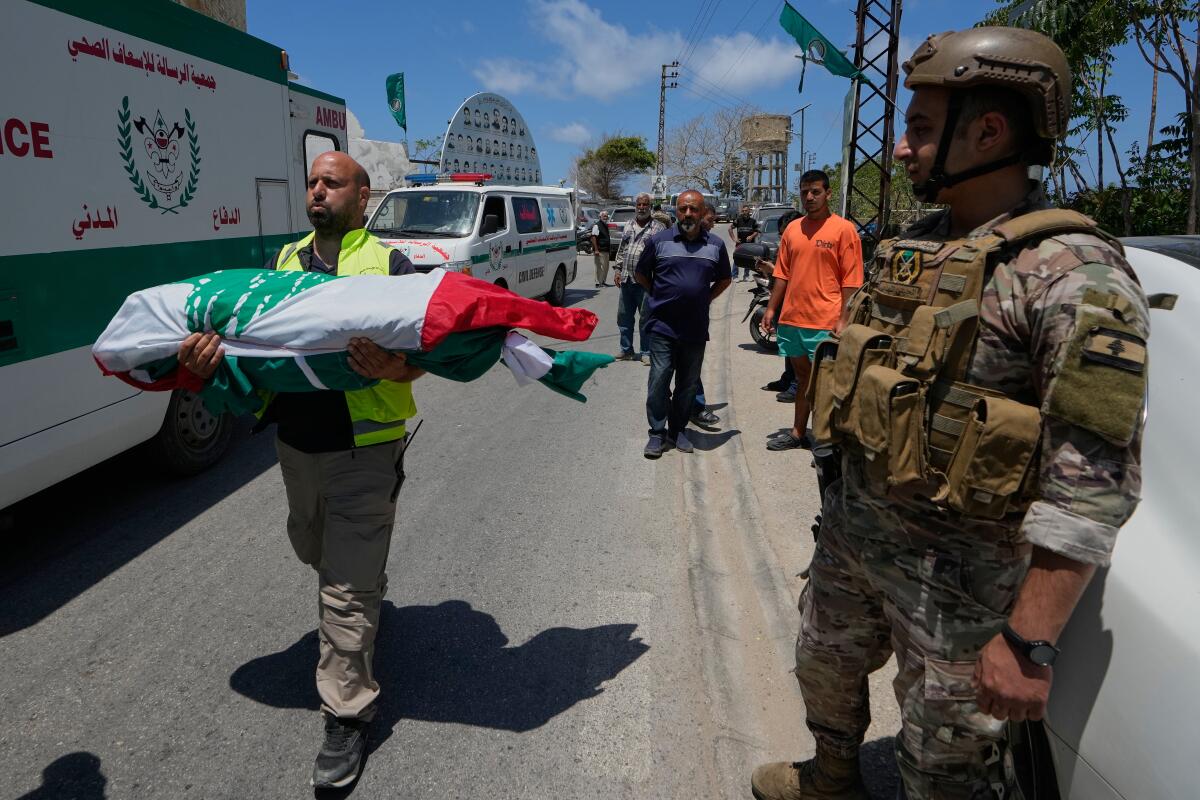
The human cost of the renewed conflict has been devastating, with civilian lives tragically lost and widespread displacement. A municipal policeman was killed in the village of Ebba, according to local reports, adding to the grim toll. Israeli airstrikes killed at least six people on Friday, exacerbating the humanitarian crisis. Five of those individuals died in an airstrike targeting the villages of Deir Qanoun al Nahr and Abbasiyeh, as confirmed by Lebanese authorities, noting the direct impact of military actions on civilian areas. The latest Israel-Hezbollah war, which has been raging for three months, has resulted in a significant human toll, leaving 3,200 people dead in Lebanon. This staggering figure shows the intensity and destructiveness of the conflict. Beyond the fatalities, the war has also led to the displacement of over 1 million people across the country, creating a massive humanitarian challenge as displaced families seek shelter, food, and medical attention.
The war began on March 2, when Hezbollah launched rockets into northern Israel, an act that came just two days after Israel and Iran engaged in attacks within Iran, illustrating the complex and interconnected nature of regional hostilities. This initial exchange set off a chain of events that rapidly escalated into the current widespread conflict. Prime Minister Benjamin Netanyahu visited the northern front on Friday, emphasizing the military's operational depth and reiterating the strategic goals of the Israeli campaign. Netanyahu stated during his visit, "I must tell you that there are very impressive results here. Our forces have crossed the Litani; they have advanced to controlling positions. We are operating in Beirut, in the Bekaa, across the entire width of the front, and we are dealing Hezbollah a crushing blow." His remarks noted the broad scope of Israeli military activities and the perceived success of their operations. The ongoing conflict has had a profound impact on civilian populations and infrastructure in Lebanon, contributing to a severe humanitarian situation with widespread displacement, destruction, and loss of life. The international community continues to watch closely as diplomatic efforts unfold alongside ongoing military operations, hoping for a sustainable path to peace and stability in the region.