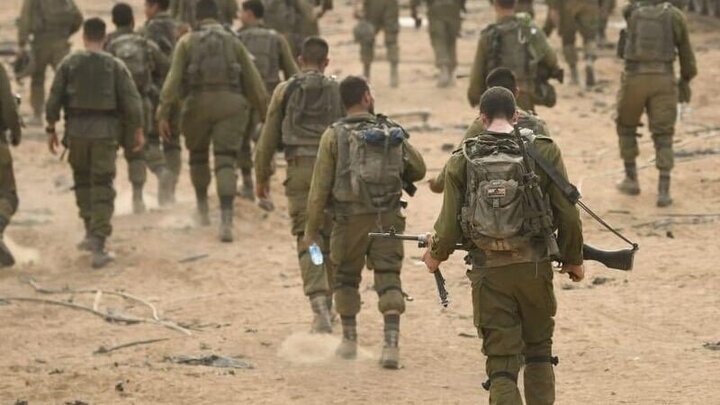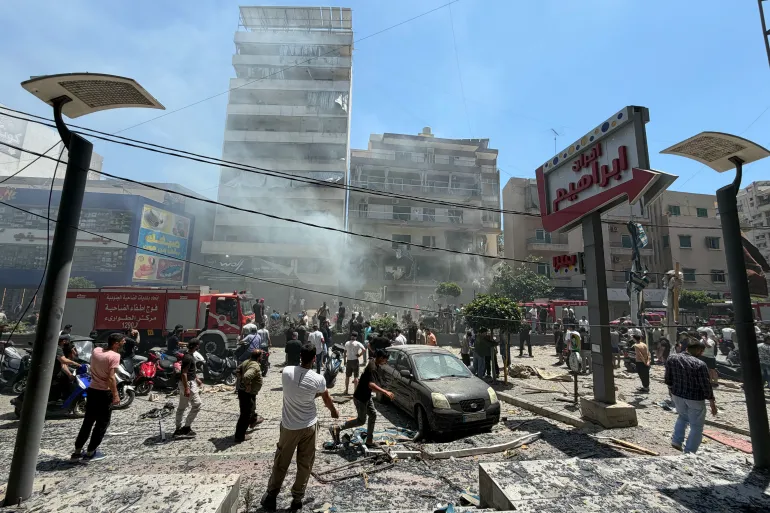
The Israeli military announced it conducted strikes on Hezbollah targets in Beirut, Lebanon, on Sunday, June 14, 2026. The operations resulted in the deaths of three individuals and left 16 people wounded in the city. These strikes come amid broader regional tensions involving Israel, Lebanon, and Iran, and have raised concerns about the stability of ongoing diplomatic efforts. The incident has cast a shadow over a potential ceasefire deal between the United States and Iran, which has been the subject of intensive negotiations.
Escalation in Beirut
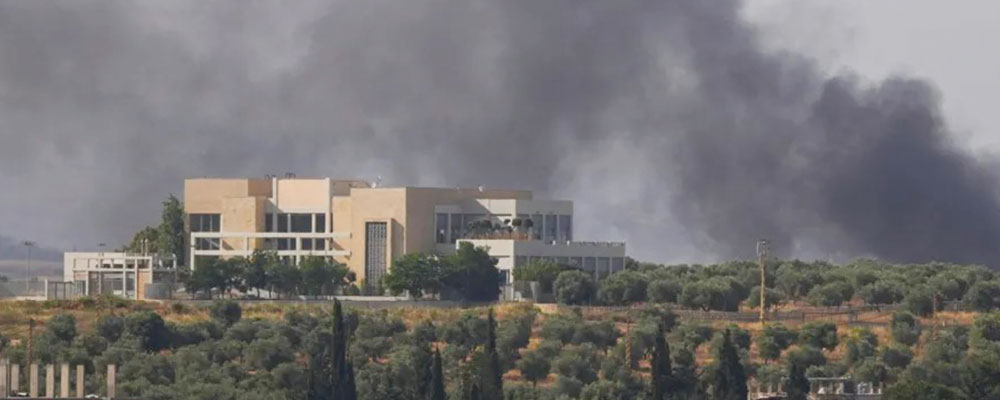
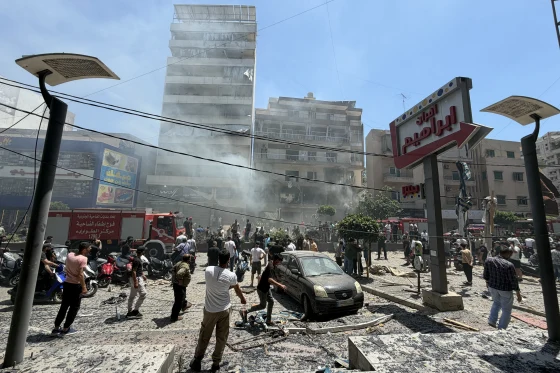
Smoke rose over the Lebanese capital on Sunday, June 14, 2026, following the Israeli military's announcement of strikes on Hezbollah targets within Beirut. The military confirmed that it had launched these strikes, targeting specific sites associated with the Lebanese political party and militant group. The operations led to the deaths of three individuals, a tragic outcome that shows the severity of the conflict. Additionally, 16 people were reported wounded in the city, requiring immediate medical attention. These strikes occur amidst heightened regional tensions involving Israel, Lebanon, and Iran, nations whose complex relationships often fuel instability. The Israeli military explicitly stated its actions were directed at Hezbollah, which it identifies as a significant threat. This development unfolds as diplomatic efforts continue to address the broader security situation in the region, particularly concerns regarding the potential for wider conflict. The incident adds a new layer of complexity to ongoing discussions between the United States and Iran aimed at a potential ceasefire deal, as such military actions can easily derail fragile diplomatic progress.
Peace Deal at Risk
U.S. President Donald Trump, observing the escalating situation, urged all parties to cease further attacks, emphasizing the proximity of a peace deal. President Trump's intervention notes the delicate stage of the negotiations and the potential for the Beirut strikes to undermine months of diplomatic work. There is cautious optimism that the United States and Iran are nearing an agreement to halt hostilities, a development that regional and international observers have been closely watching. This optimism stems from sustained engagement between the two nations, facilitated by key intermediaries. Qatari mediators, playing a key role in bridging the gaps between Washington and Tehran, traveled to the Iranian capital to finalize the agreement, according to sources close to the negotiations. Their presence in Tehran shows the advanced stage of these discussions and the commitment from both sides to achieve a resolution. The ongoing diplomatic efforts aim to de-escalate tensions in the region and establish a more stable security environment, making the recent Israeli strikes a significant challenge to these objectives.
Divergent Responses
Israeli Prime Minister Benjamin Netanyahu defied President Donald Trump's request to halt military strikes, asserting that the operations were a necessary response to Hezbollah's attacks on northern Israel. Prime Minister Netanyahu's firm stance indicates Israel's determination to prioritize its national security interests, even in the face of international pressure and ongoing peace initiatives. This signals Israel's intent to continue its actions despite international calls for de-escalation, framing the strikes as defensive measures. Concurrently, Iran issued a direct threat of military retaliation in response to the Israeli strikes. The Iranian government indicated that it would consider the attacks on Beirut a direct provocation, potentially leading to a broader regional confrontation. This explicit threat from Iran shows the immediate danger of escalation and the potential for a wider conflict to erupt, further imperiling the already fragile peace efforts. The contrasting responses from Israeli and Iranian leadership demonstrate the deep-seated animosities and strategic calculations at play, threatening to unravel any progress made toward regional stability.