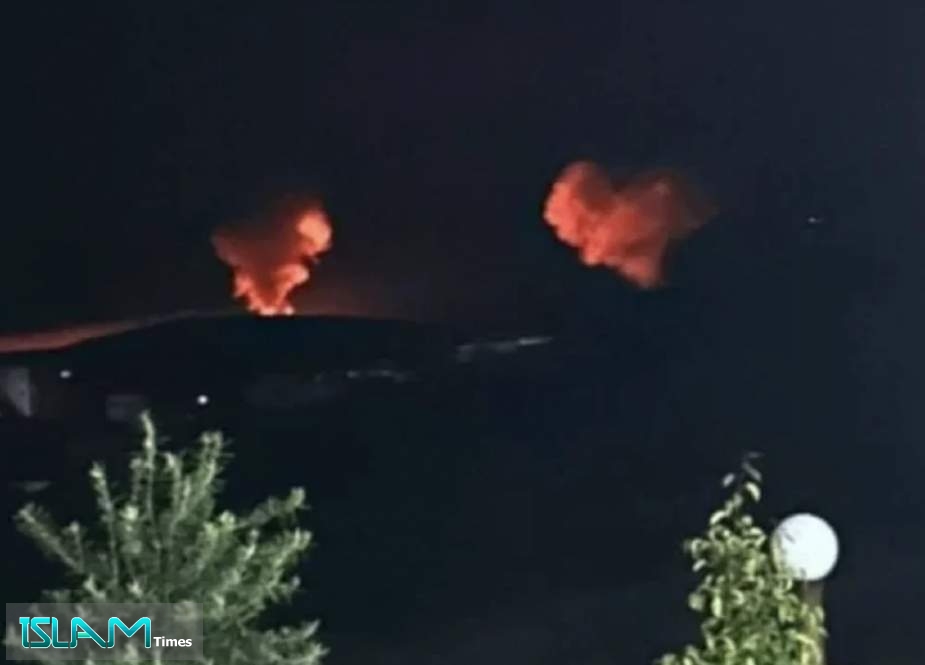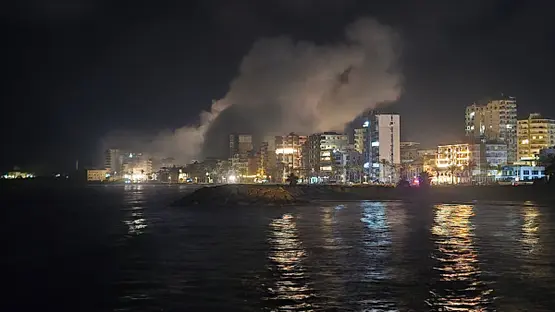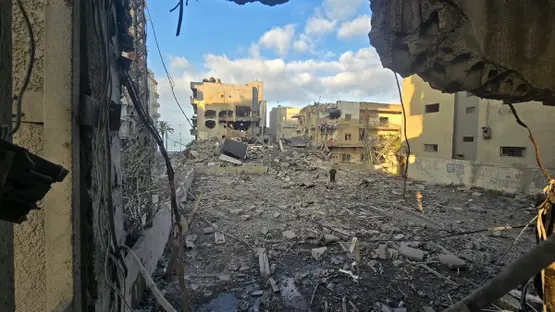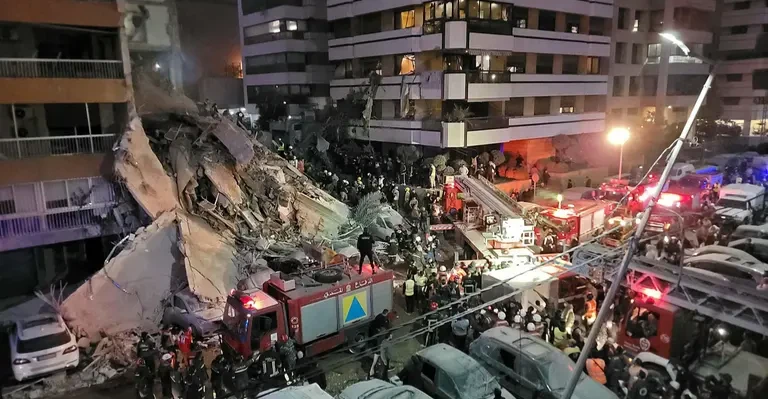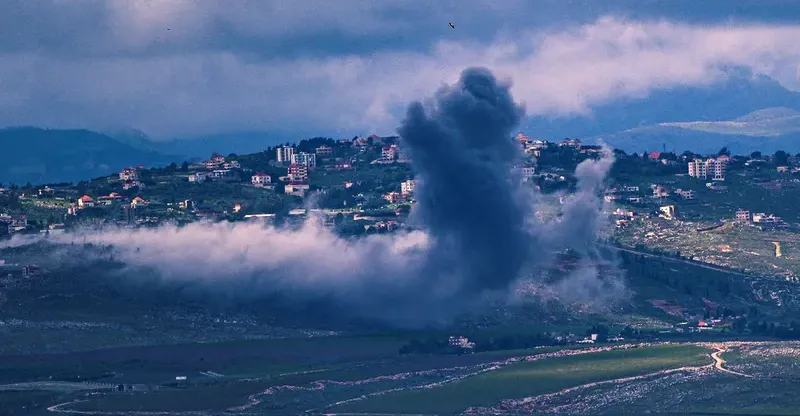
Israeli strikes in southern Lebanon on Saturday killed nine people, including children, and wounded several rescue workers and a soldier. The attacks marked a significant escalation in cross-border hostilities. An Israeli strike specifically targeted Civil Defense rescue crews in the southern Lebanese town of Kafra in Bint Jbeil district on Saturday, wounding several personnel. This direct targeting of rescue workers drew immediate concern, with several Civil Defense rescue personnel reported among the wounded in Kafra.
A separate strike on a residential building in Sir al-Gharbiya killed nine people and injured six others, compounding the civilian toll. Six people were injured in the strike on Sir al-Gharbiya, adding to the severity of the incident. Additionally, an attack on an army barracks in Nabatieh wounded a Lebanese soldier, noting the broader impact on military personnel.
Wider Attacks Across Districts Intensify
Beyond these specific incidents, Israeli warplanes conducted four strikes on al-Qatrani in Jezzine district, indicating a wide geographical scope of operations. These four strikes on al-Qatrani show the intensity of the aerial campaign. Further raids were reported across the districts of Nabatieh, Tyre, and Bint Jbeil, showing the widespread nature of the Israeli military's actions. These aerial assaults contributed to a rising casualty count. In al-Baqbouq, five additional deaths were reported, further illustrating the severe impact on local communities. The extensive targeting across multiple districts suggests a deliberate and broad campaign of strikes, affecting numerous localities across southern Lebanon.
Hezbollah Retaliation and Israeli Casualties
In response to the Israeli actions, Hezbollah conducted a series of drone attacks targeting Israeli military positions and equipment along the border. The group specifically targeted 'Drone Dome' jamming systems at the Nimr al-Jamal and al-Jardah positions with explosive drones, aiming to disrupt Israeli surveillance capabilities. Hezbollah also attacked an Israeli command vehicle and technical equipment at the Jal al-Allam site, demonstrating an effort to degrade Israeli operational infrastructure. This attack on the command vehicle and technical equipment at Jal al-Allam was part of a broader strategy to neutralize Israeli military assets. An engineering vehicle in Bint Jbeil was also attacked by Hezbollah, further indicating a focus on military assets. Additionally, Hezbollah attacked two Iron Dome platforms at the Ramim barracks using Ababil drones, signaling an attempt to neutralize Israeli air defense systems. These coordinated drone attacks by Hezbollah represent a significant retaliatory measure against Israeli military installations.
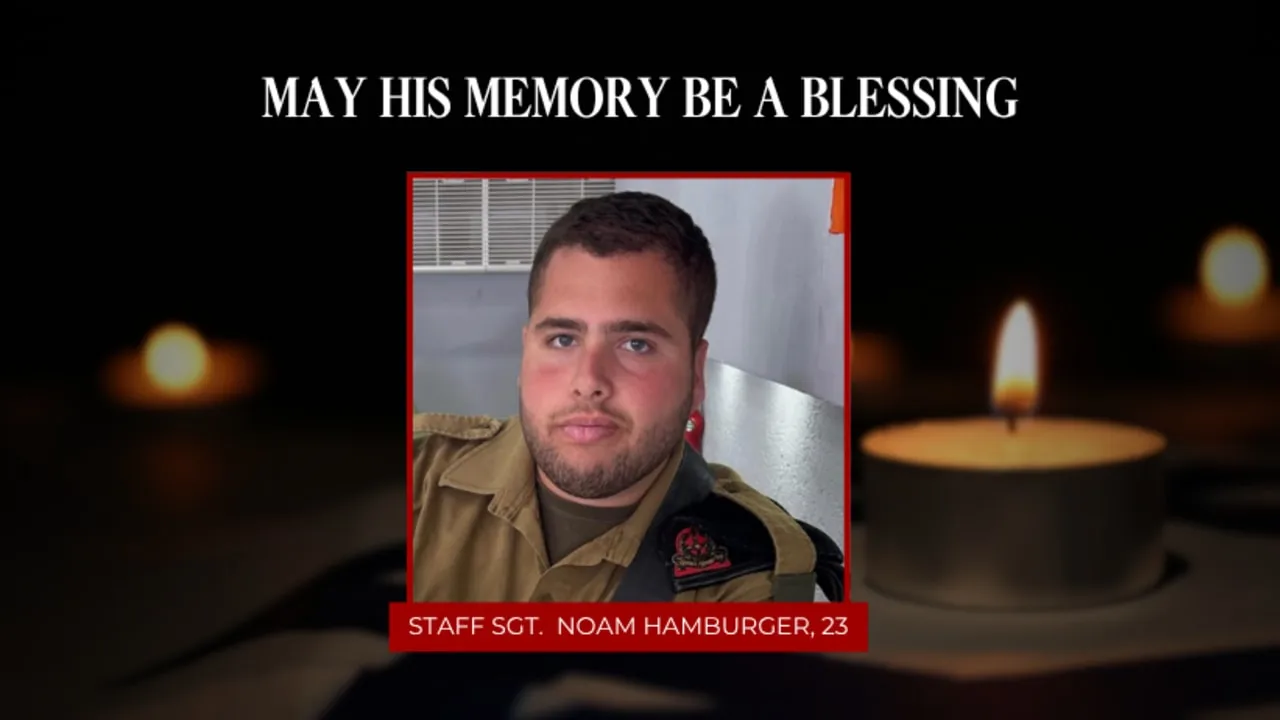
The Israeli military announced the death of Noam Hamburger, a member of the technology and maintenance corps in the 9th Battalion of the 401st Brigade. Hamburger died following a drone explosion near the Lebanese border, an incident directly linked to the ongoing cross-border exchanges. This tragic loss of Noam Hamburger notes the direct human cost of these exchanges for Israeli forces. Two additional Israeli soldiers were wounded in the incident near the Lebanese border, with one reported to be in serious condition, showing the tangible risks faced by military personnel on both sides of the frontier.
Escalating Toll and Health Ministry Data
The ongoing conflict has led to a significant and escalating human toll. Israeli strikes have killed 3,123 people and wounded 9,506 others, including women and children, since March 2, according to data released by Lebanon’s Health Ministry. These figures provide a grim picture of the widespread impact on the civilian population, detailing the deaths of 3,123 individuals and injuries to 9,506 others since the specified date. The ministry's figures also indicate a significant impact on medical personnel and infrastructure since hostilities resumed. Among medical workers, Lebanon’s Health Ministry has recorded 123 deaths and 298 injuries, noting the extreme dangers faced by those providing essential care in the conflict zone. This alarming statistic of 123 deaths and 298 injuries among medical workers shows the critical challenges for healthcare provision in the affected areas. The full data from the Health Ministry shows the severe humanitarian consequences of the continuous cross-border hostilities.