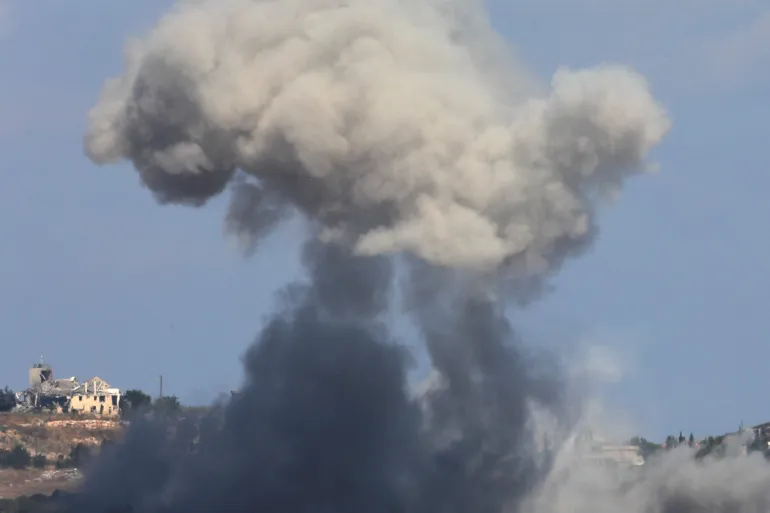
Israeli air strikes targeted the agricultural area of Arid Dbeibine, near the southern Lebanese town of Dbeibine in the Marjayoun district, according to Lebanon’s National News Agency (NNA). The strikes occurred as international attention focused on separate developments concerning Iran. The NNA reported the location of the strikes in detail, identifying the specific area affected within southern Lebanon. These military actions in southern Lebanon have drawn regional scrutiny, particularly given the broader geopolitical context involving statements from the United States regarding Iran. The agricultural nature of the targeted area in Arid Dbeibine notes the impact of such operations on civilian infrastructure and livelihoods in the border region.
Escalation in Southern Lebanon
An Israeli drone strike targeted the town of Jebchit in Lebanon’s Nabatieh district, according to reports from Lebanon’s National News Agency (NNA) and Al Jazeera. The strike on Jebchit followed an overnight Israeli attack on the nearby town of Khiam. Both incidents contributed to a series of reported military actions in southern Lebanon. The NNA and Al Jazeera provided details on the drone strike, confirming its location within the Nabatieh district. These events unfolded as international attention remained focused on regional developments. The drone strike on Jebchit, a town located in a different district from Arid Dbeibine, indicates a broader scope of operations across southern Lebanon. The overnight strike on Khiam further shows the continuous nature of these military engagements. The reports from both the NNA and Al Jazeera emphasize the immediate aftermath and geographical specifics of these incidents, providing key information to the public about the unfolding situation. These repeated strikes contribute to heightened tensions along the Lebanese-Israeli border.
US-Iran Diplomacy Unfolds
Amid ongoing regional tensions, Donald Trump stated that the war on Iran had concluded. "Today, we settled up with Iran. We made a great deal. There’ll be no nuclear weapons. People will start coming home very soon. It’s pretty much completed. We got everything we wanted," Trump announced. This declaration came as Iran maintained its stance, asserting it would "not abandon its allies." The statement from the US leader marked a significant development in the diplomatic landscape surrounding Iran, though Tehran's response indicated continued commitment to its regional partnerships. The announcement by Trump signaled a potential shift in the US approach to Iran, contrasting with the country's stated intentions regarding its alliances. The declaration that the "war on Iran had ended" represents a notable shift in rhetoric from the US administration. This pronouncement by Trump, delivered with definitive language, aimed to convey a sense of resolution to a long-standing diplomatic and security challenge.
Iran's Stance and Allies
Preventing Iran from acquiring a nuclear weapon had been a key US demand in negotiations. Iran has stated that the ceasefire is tied to the end of Israel's invasion of Lebanon. The country maintained it would "not abandon its allies," according to its official position. There was no immediate information on casualties or the extent of damage following the Israeli strikes in Lebanon. Iran's steadfast commitment to its allies shows its regional policy. This position, linking a ceasefire to the cessation of Israeli military actions in Lebanon, notes Iran's strategic interests and its role in regional security dynamics. Tehran's consistent affirmation of support for its allies reinforces its influence in the Middle East, even as international powers seek to redefine their engagement with the nation. The lack of immediate casualty or damage reports from the Lebanese strikes leaves the full impact of these incidents unclear, but the ongoing military activity and diplomatic declarations continue to shape the complex regional environment.