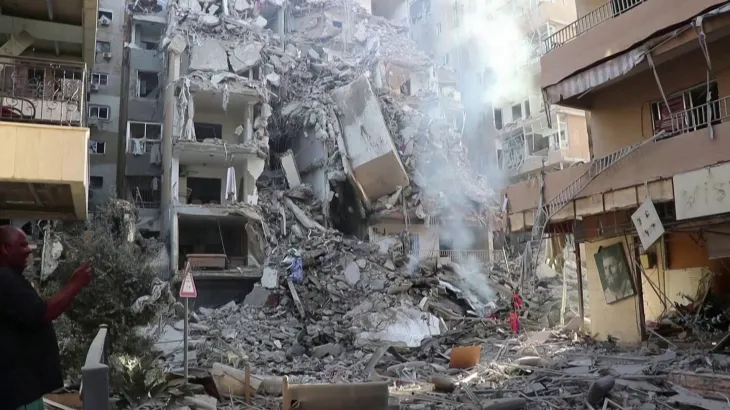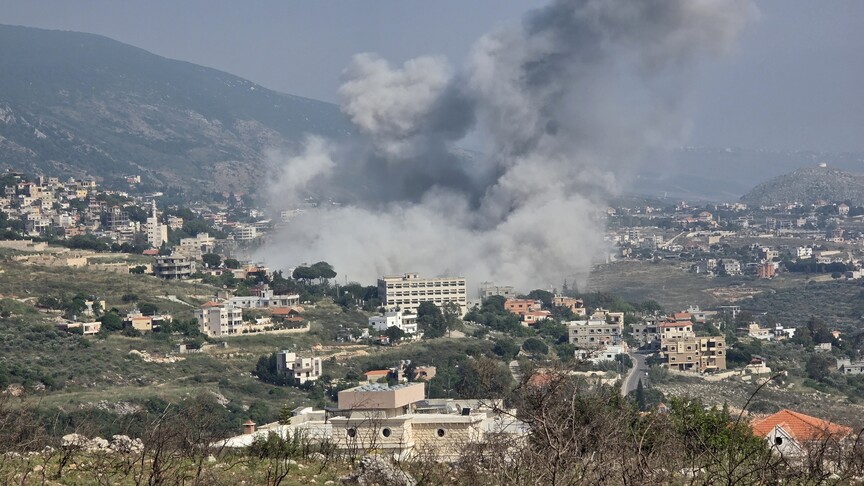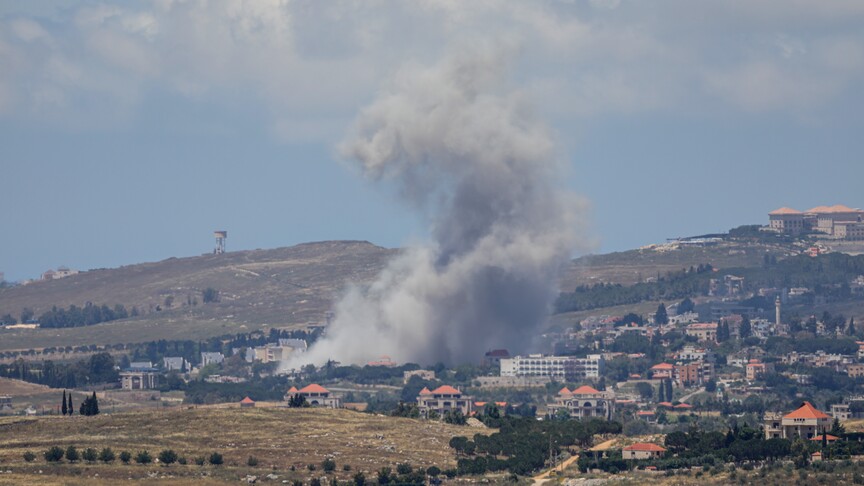
An Israeli missile struck the dome of Saint George Greek Orthodox Church in Jdeidet Marjeyoun, southern Lebanon, causing significant damage to the church and its surrounding area. The strike, which directly impacted the prominent architectural feature of the church, has raised concerns about the targeting of religious and civilian structures in the ongoing conflict. This incident occurred as Israeli Prime Minister Benjamin Netanyahu stated on May 25 that he had instructed the military to intensify operations in Lebanon. The damage to the church and its immediate vicinity shows the increasing toll on civilian infrastructure amid persistent cross-border actions between Israel and Lebanon.
Damage to Sacred Sites and Educational Institutions
Beyond the attack on the church, another Israeli missile struck a wall of the Christian School of the Sisters of the Sacred Hearts, causing damage to parts of the building. This incident also took place in Jdeidet Marjeyoun, a town in southern Lebanon that has increasingly found itself at the center of military activity. The strike on the school adds to the growing reports of damage to civilian infrastructure in the region, affecting vital community services. The school, affiliated with a religious order, is situated near the Saint George Greek Orthodox Church, which also sustained damage in a separate strike. The proximity of these two incidents, both involving a church and a school, has drawn considerable attention to the impact of ongoing cross-border operations on civilian and religious sites in southern Lebanon. These attacks show the vulnerability of non-military targets in areas experiencing heightened military engagement.
Escalation and Ceasefire Violations
Israel has continued its attacks on Lebanon, despite a ceasefire that took effect on April 17 and was subsequently extended for 45 days beginning May 17. The continued military actions by Israel have been met with responses from Hezbollah. Hezbollah has also continued to launch attacks against Israeli forces, stating its actions are in response to what it describes as Israeli violations of the ceasefire agreement. The group's retaliatory strikes are framed as a direct consequence of Israel's perceived breaches of the agreed-upon cessation of hostilities. Both sides have maintained military operations across the border, impacting areas in southern Lebanon such as Jdeidet Marjeyoun. The ongoing exchanges of fire highlight persistent tensions in the region despite diplomatic efforts to establish a lasting cessation of hostilities. These continuous violations from both parties threaten to undermine any progress made towards de-escalation and stability in the border area.
Lebanese Official Condemnation
Lebanese Prime Minister Nawaf Salam condemned ongoing Israeli attacks on the southern cities of Tyre and Nabatieh, stating they amounted to "collective punishment" prohibited under international law and conventions. Salam specified that such actions, which include the destruction of historical landmarks and threats against residents, violate international statutes. He emphasized that these operations not only cause physical damage but also inflict psychological and social harm on the civilian population. According to the Lebanese Health Ministry, Israeli attacks since March 2 have resulted in 3,355 deaths across the country. The ministry's data reflects the severe human cost of the ongoing cross-border hostilities, providing a stark measure of the conflict's impact on civilian lives. Salam's statement shows Lebanon's official position that these military operations constitute grave violations of international legal norms, calling for adherence to humanitarian principles in armed conflict. The condemnation reflects the Lebanese government's deep concern over the escalating violence and its implications for civilian safety and regional stability.