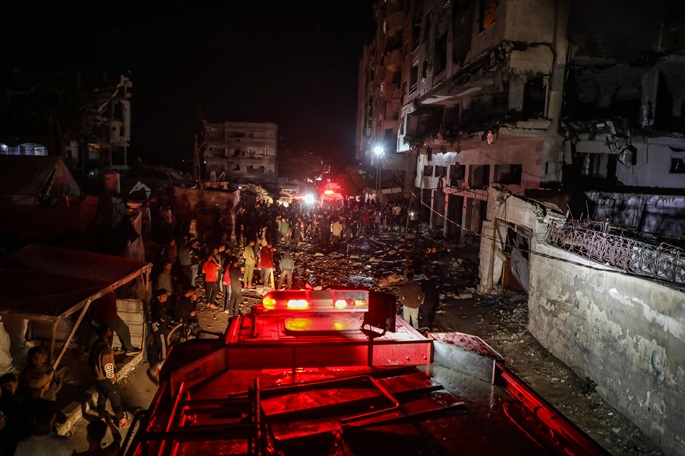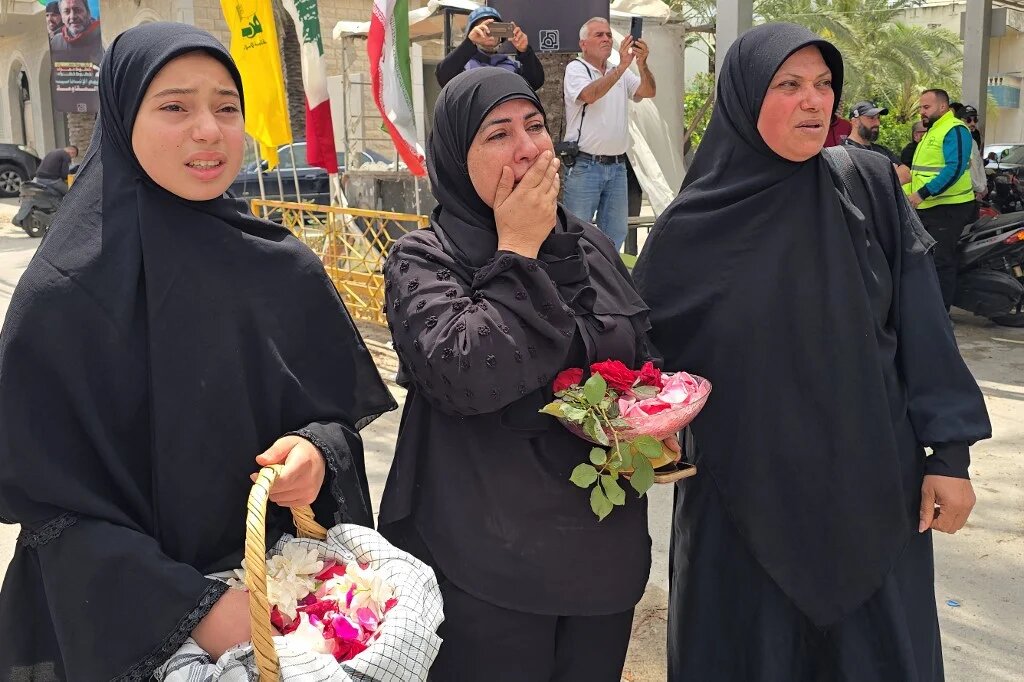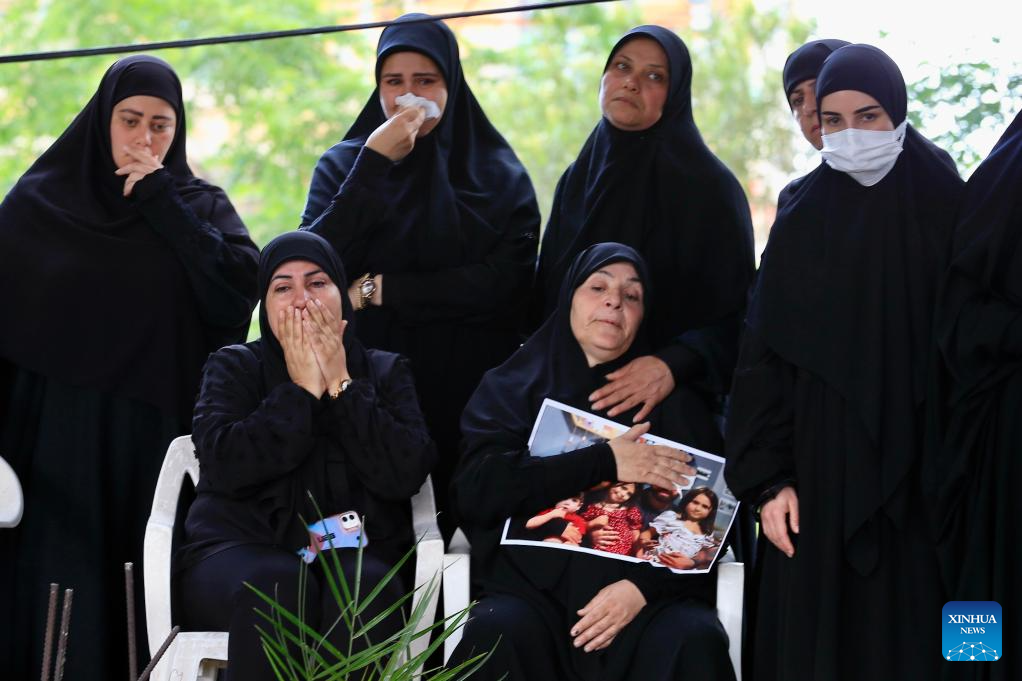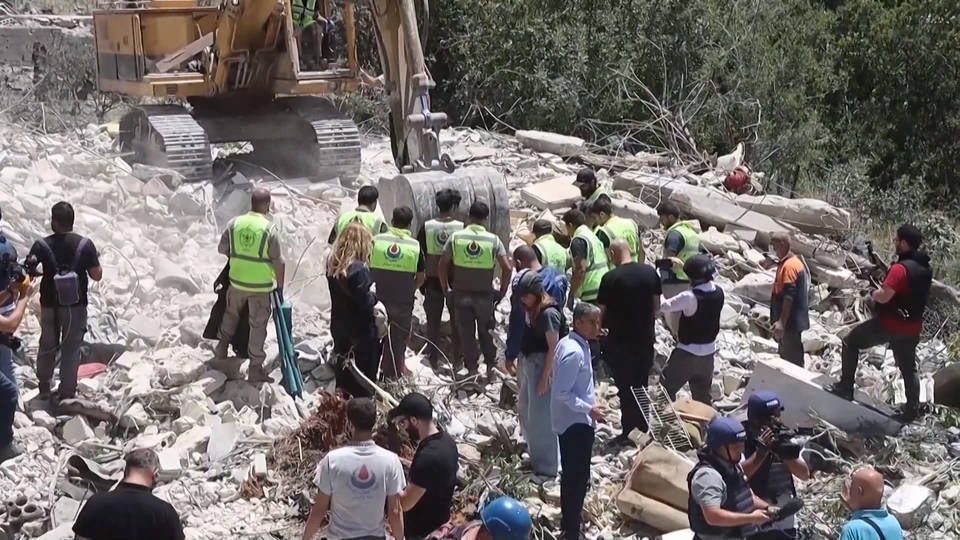
An Israeli strike in southern Lebanon’s Tyre district killed six people, including two paramedics and a Syrian child, according to local reports. The incident occurred in the Tyre district, a region in southern Lebanon, which has been a focal point of recent hostilities. The fatalities included civilians and medical personnel, noting the severe impact of ongoing military actions on non-combatants. This event marks a significant escalation and raises further concerns about the protection of those providing essential services in conflict zones.
Deadly Attack Details
The medics were reportedly killed in a "double tap" strike, which occurred after an initial strike targeted a motorcycle in the Tyre district. This method of attack, where a second strike follows an initial one, has drawn scrutiny regarding its disproportionate impact on civilian and medical personnel in conflict zones, as first responders often rush to the scene of the initial incident. The incident resulted in the deaths of two paramedics, a Syrian child, and three other individuals, bringing the total fatalities to six. This sequence of events shows the dangers faced by emergency workers attempting to aid victims in areas affected by military operations. The Tyre district, located in southern Lebanon, has experienced increased tensions and military activity, becoming a frequent target amidst the broader conflict. The strike contributes to a series of incidents in the region, raising profound concerns about the safety of non-combatants and emergency responders who are obligated to provide assistance regardless of the political or military context.
Broader Conflict Context
The violence unfolded despite a U.S.-brokered ceasefire, which Israel has reportedly violated on a near-daily basis. These recurrent breaches have contributed to sustained tensions in the border region, undermining efforts to establish lasting peace and stability. The ceasefire was intended to de-escalate hostilities and protect civilian lives, yet incidents of strikes and cross-border fire have continued with alarming regularity. This pattern of violations has raised concerns among international observers about the stability of the agreement and the potential for broader conflict to engulf the region. The ongoing hostilities show the fragility of the security situation in southern Lebanon, an area frequently impacted by military operations and cross-border exchanges, leading to a continuous cycle of violence. The persistence of these incidents despite diplomatic efforts notes the deep-seated challenges in achieving a durable cessation of hostilities.
Economic Impact
Lebanon’s finance minister stated to Reuters that the ongoing conflict could lead to a contraction of the nation's economy by at least 7% this year. This significant projection shows the severe economic repercussions extending beyond immediate military engagements. The potential economic impact adds another layer of concern for Lebanon, which is already grappling with a severe financial crisis that has crippled its public services and devalued its currency. A significant reduction in economic activity would exacerbate existing hardships for the population, leading to increased poverty, unemployment, and further strain on public services. The minister's assessment shows the broader consequences of the military engagements, extending beyond immediate casualties and infrastructure damage, to profoundly affect the country's overall financial stability and future growth prospects. This economic downturn threatens to unravel years of development efforts and push more Lebanese citizens into dire circumstances.
Ongoing Toll
Israeli attacks have killed nearly 3,100 people, according to data from Lebanon's Health Ministry. This figure encompasses the total fatalities reported since the beginning of the ongoing conflict, reflecting the significant human cost in the region. The sustained violence has led to a growing number of casualties, including civilians and combatants across various affected areas, painting a grim picture of the conflict's impact. The Health Ministry's continuous tracking of these figures provides an official account of the devastating impact on human life in Lebanon, serving as a stark reminder of the conflict's severity. The reported toll notes the severity and persistence of the hostilities that continue to affect communities throughout the country, displacing populations and destroying livelihoods. The escalating death toll shows the urgent need for a full and lasting resolution to the conflict.