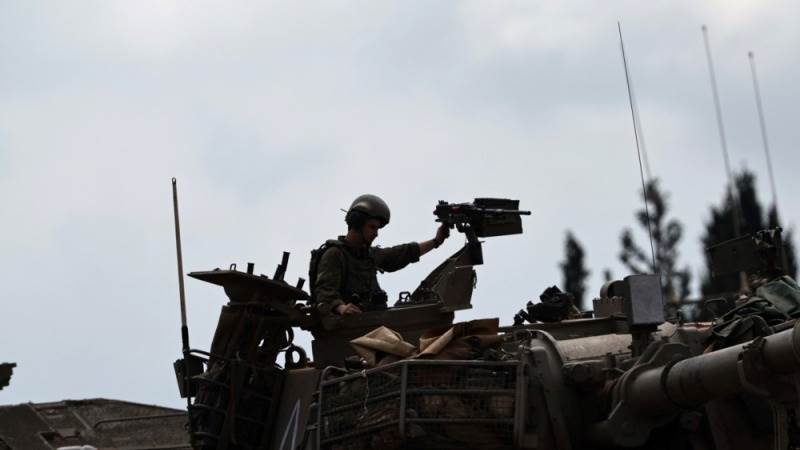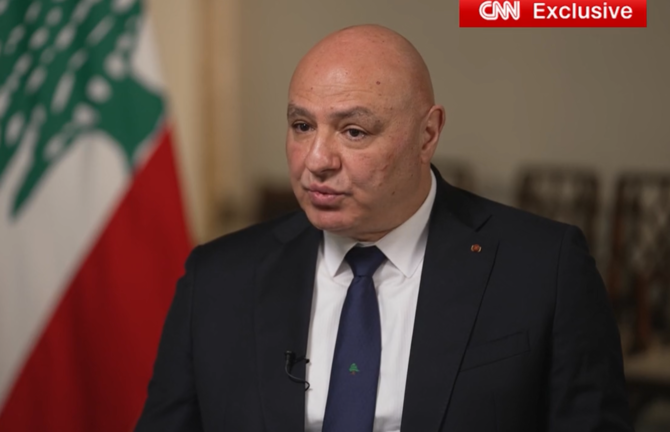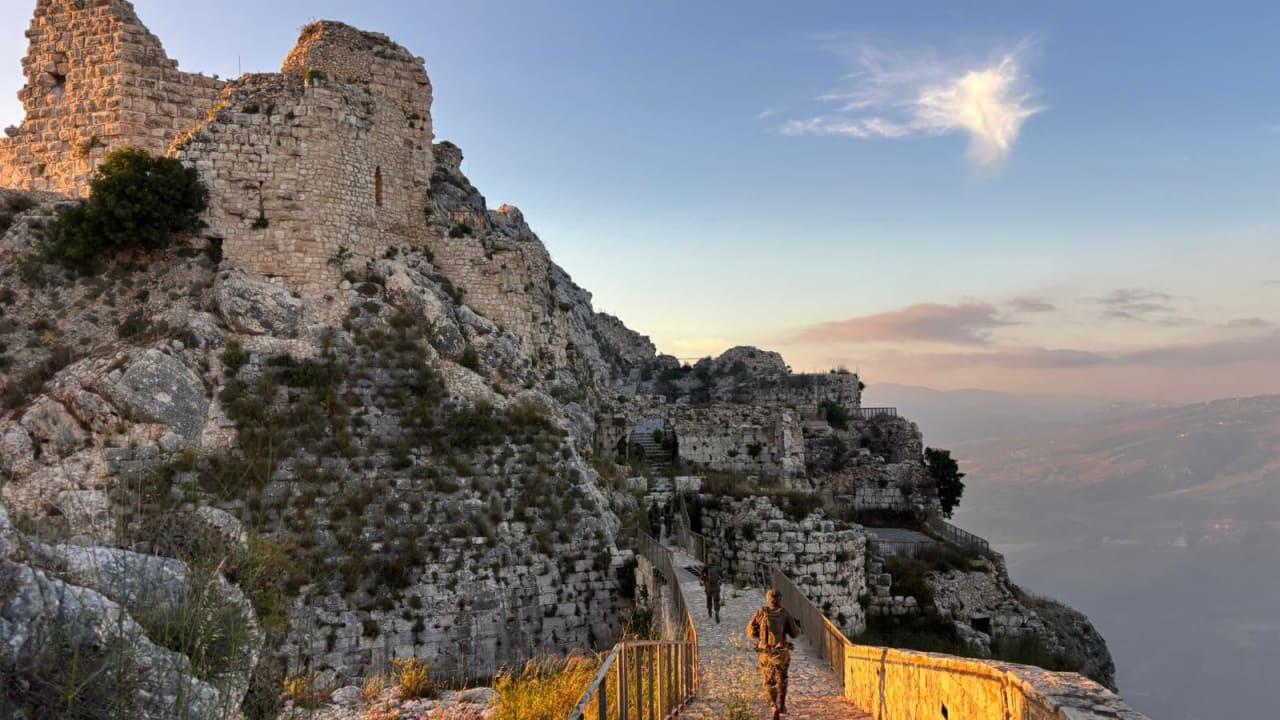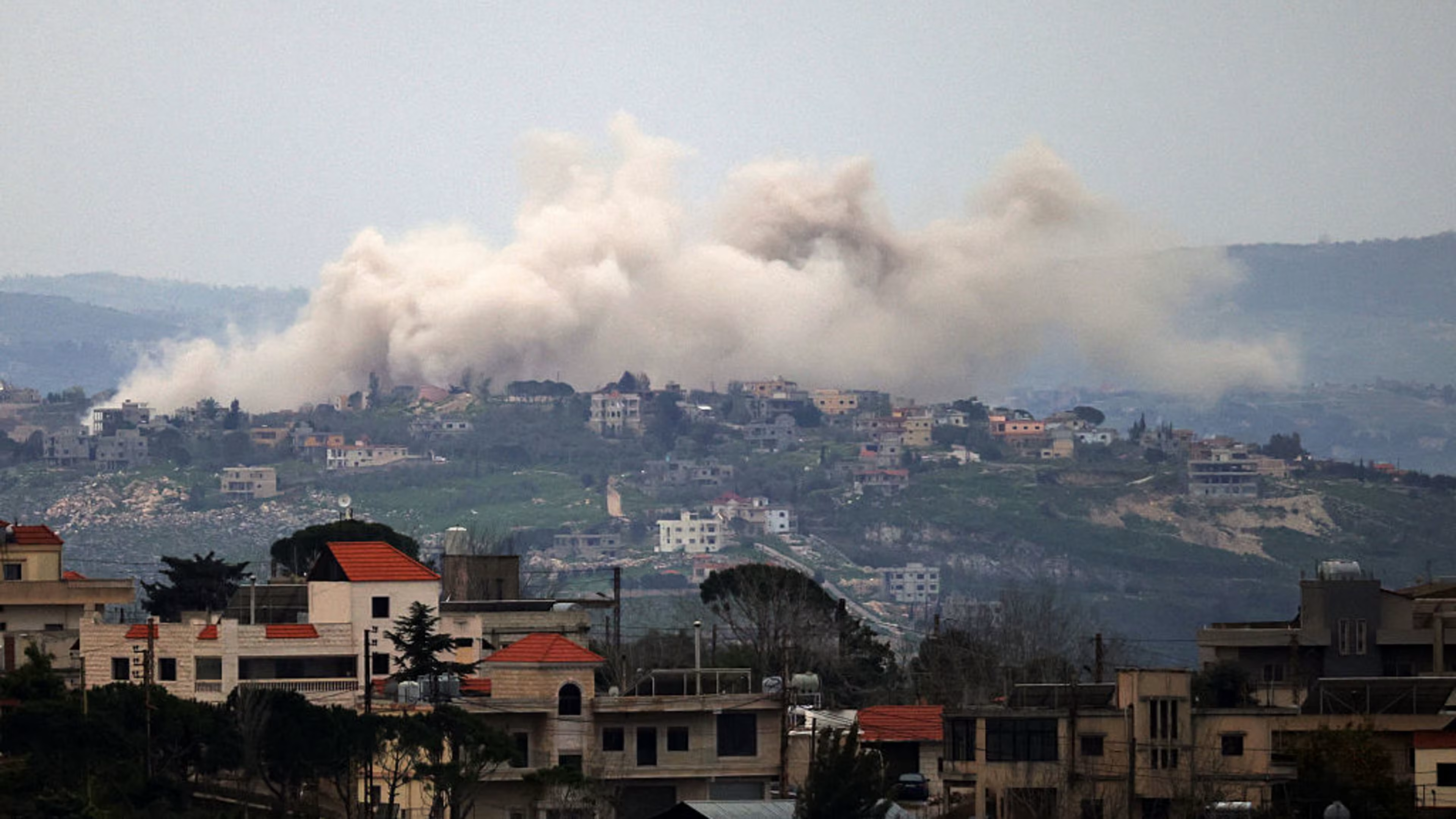
Dr. James George Karam and his two university-aged children, Tony and Theodosia, were killed in southern Lebanon. The incident has raised significant concerns about civilian safety in the region and the escalating dangers faced by non-combatants. The Karam family was reportedly returning from university exams in Sidon when their car was targeted, an event that shows the perilous conditions in areas affected by conflict. Qlayaa’s municipality stated the road connecting southern villages to Lebanon’s capital and educational centers has become a place of danger for civilians, noting the critical threat posed to daily life and essential travel for residents. This tragic event has brought renewed international attention to the plight of communities caught in the crossfire.
Christian Communities Under Threat
The Karam family, who were killed in southern Lebanon, hailed from the Christian town of Qlayaa. Their deaths have drawn particular attention to the vulnerabilities faced by Christian communities in conflict zones, who often find themselves disproportionately affected by instability and violence. The incident serves as a stark reminder of the human cost of ongoing hostilities and the specific challenges confronting religious minorities in volatile regions.
In Myanmar, the ongoing civil war has created a severe humanitarian crisis, with profound consequences for religious leadership and stability. Five bishops from the country's 17 dioceses have been forced to leave their posts since 2021, a significant disruption to the spiritual and administrative structure of the Church. The affected dioceses include Pekhon, Loikaw, Banmaw, Mindat, and Lashio, indicating a widespread impact across various regions of the country. This displacement shows the immense challenges confronting religious minorities amidst widespread conflict, as leaders are compelled to abandon their congregations and traditional roles due to security concerns. Bishop Felice Ba Htoo of Pekhon reported to Fides that numerous parishes have been closed in his diocese, attributing these closures to extensive damage, direct attacks, or a significant loss of faithful who have fled the violence. Such developments highlight the severe impact of conflict on religious infrastructure and congregants in the country, leading to the fragmentation of communities and the disruption of religious life.
In a separate development, Greek Orthodox Metropolitan Athanasius Fahd of Latakia recently participated in a celebration held in the villages of Hallouz and Qastal al-Burj. His involvement in these events notes the continued presence and activities of Christian leaders in areas that have experienced significant unrest, providing a sense of normalcy and spiritual guidance to their communities. These celebrations often serve as important communal gatherings for local Christian populations, fostering resilience and maintaining cultural identity amidst challenging circumstances. The presence of such figures is key for community cohesion and spiritual well-being, particularly in regions striving to recover from prolonged conflict.
Looking ahead, Pope Leo is scheduled to preside over a Mass of ecclesial communion on October 14. Such events are profoundly significant for Christian communities globally, symbolizing unity, faith, and the enduring strength of the Church. These religious gatherings often provide spiritual solace and reaffirm communal bonds, particularly in times of uncertainty and adversity. They offer a moment for collective prayer and reflection, reinforcing the shared identity and purpose of believers worldwide. The challenges faced by Christian communities in various regions, from southern Lebanon to Myanmar and Syria, reflect broader geopolitical and humanitarian concerns that impact their ability to practice their faith freely and live securely. These incidents show the urgent need for international attention and protection for religious minorities in conflict-affected areas.
Broader Religious Affairs
Across the globe, various developments continue to shape the landscape of religious affairs. French lawmakers recently voted to remove a controversial provision from a bill that would have required clergy to report information learned while administering the sacrament of confession. This decision reflects a broader debate about the sanctity of confessional secrecy and the boundaries between religious practice and legal obligations, particularly in matters of public safety. The proposed provision had sparked considerable opposition from religious leaders and human rights advocates, who argued it could undermine the sacred trust inherent in the sacrament. The removal of this clause marks a significant victory for religious freedom advocates in France.
In Poland, nine Salesians who were killed during World War II by German Nazis will be beatified on June 6 at the Shrine of St. John Paul II in Kraków. This beatification ceremony honors their martyrdom and recognizes their ultimate sacrifice for their faith. Karol Wojtyła, who later became Pope John Paul II, witnessed the arrest of six of these men in Krakow before his papacy, an experience that likely left a profound impact on his spiritual formation and understanding of persecution. The beatification serves as a powerful reminder of the courage and resilience of those who suffered under totalitarian regimes and notes the Church's continuing effort to recognize and venerate its martyrs.
In Kenya, Father Pascal Mwakio, a priest and bioethics scholar, has expressed serious suspicions regarding a proposed U.S.-linked Ebola quarantine and treatment facility. The proposed facility is a 50-bed Ebola quarantine and treatment center slated for the Laikipia Air Base in central Kenya. Father Mwakio stated that "the initiative raises profound ethical questions that require broader scrutiny beyond political and diplomatic considerations," calling for a full review of its implications. He further described the situation as "ethical dumping," suggesting that the project might involve the transfer of health risks or ethically questionable practices from developed nations to less developed ones. This perspective notes concerns about global health equity, informed consent, and the potential impact of such facilities on local populations, emphasizing the need for transparent and ethically sound international health collaborations.
Maronite Patriarch Elias Hoyek's legacy is recognized for its profound connection to the emergence of Greater Lebanon, particularly through his unwavering advocacy at the Paris Peace Conference following World War I. His diplomatic efforts were instrumental in shaping the modern Lebanese state, emphasizing the importance of Christian presence and autonomy in the region. His vision and leadership during a critical historical juncture continue to resonate in contemporary discussions about Lebanese national identity. Elsewhere, Patriarch Paul III Nona presided over the first synod of Chaldean bishops since his installation, a significant event for the Chaldean Catholic Church. A total of 14 bishops gathered at the patriarchal residence in Baghdad for the synod, addressing key theological, pastoral, and administrative issues facing their community. Travel difficulties, including security concerns and logistical challenges, unfortunately prevented the participation of bishops from the United States in this synod, showing the global reach and diverse geographical spread of the Chaldean diaspora. The next Chaldean synod gathering is scheduled to be hosted in Rome, a decision that reflects the Church's ties to the Holy See and its commitment to global communion.
Echoes of Past and Present
The Karam family was reportedly returning from university exams in Sidon when their car was targeted, a tragic incident that shows the widespread dangers civilians face in conflict zones. This incident adds to a broader pattern of challenges faced by Christian communities in various regions, where daily activities, such as pursuing education, can turn deadly. The vulnerability of these communities is a recurring theme in global conflicts, necessitating greater protection and humanitarian intervention.
In Myanmar, Bishop Felice Ba Htoo of Pekhon reported to Fides that numerous parishes have been closed across his diocese. These closures are attributed to a combination of factors including extensive damage from fighting, direct attacks on religious sites, or a significant loss of faithful who have been displaced or killed due to the ongoing civil war. Such developments highlight the severe impact of conflict on religious infrastructure and congregants in the country, leading to the fragmentation of communities and the disruption of spiritual life. The forced abandonment of places of worship and the dispersal of congregations represent a profound loss for the Christian community in Myanmar.
A hopeful return was recently marked in the Syrian Christian villages of Hallouz and Qastal al-Burj in the Idlib countryside. This event signified a return to these communities after 14 years of war and displacement, reflecting courageous efforts to rebuild and re-establish life in areas affected by prolonged conflict. The return of residents, supported by religious leaders like Greek Orthodox Metropolitan Athanasius Fahd of Latakia, symbolizes a resilient spirit and the determination to reclaim ancestral lands and cultural heritage. These efforts, though challenging, offer a beacon of hope for communities striving to recover from the ravages of war.
Meanwhile, Father Pascal Mwakio, a priest and bioethics scholar, has voiced concerns regarding a proposed U.S.-linked Ebola quarantine and treatment facility in Kenya. He believes the facility may involve "ethical dumping," a practice where ethical considerations are bypassed or diluted when implementing projects in developing nations. Father Mwakio stated, "the initiative raises profound ethical questions that require broader scrutiny beyond political and diplomatic considerations." His remarks show a critical debate about the ethical implications of certain international health initiatives and their potential impact on local populations, emphasizing the need for equitable and transparent global health partnerships.
Maronite Patriarch Elias Hoyek is remembered as a pastor who played an indispensable role in shaping modern Lebanon. His legacy is associated with his advocacy at critical historical junctures, particularly concerning the formation and development of the nation after World War I. He championed the cause of a sovereign and independent Greater Lebanon, ensuring the protection of its diverse communities. The historical echoes of his influence resonate with contemporary discussions about community leadership and national identity, serving as a reminder of the enduring power of principled advocacy in times of profound change. The challenges faced by Christian communities globally, from the immediate dangers in southern Lebanon to the long-term struggles in Myanmar and the ethical debates in Kenya, show a complex web of geopolitical, social, and humanitarian issues that demand continued attention and compassionate responses.