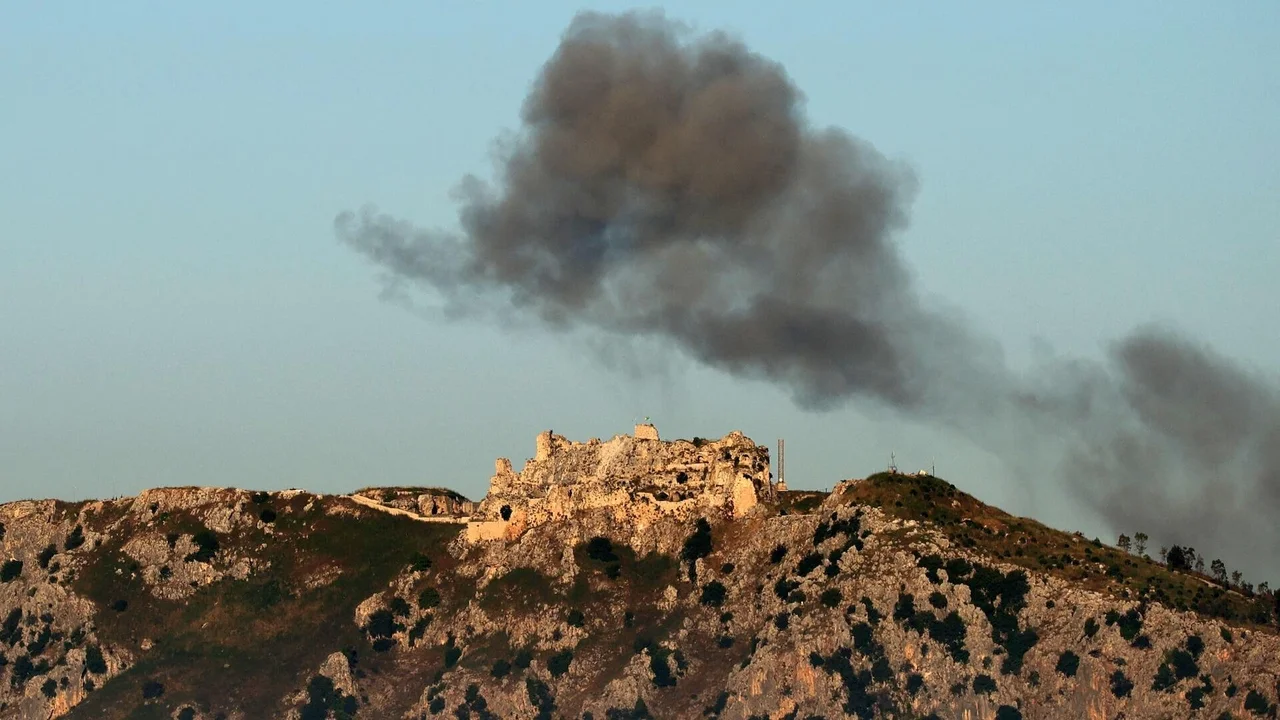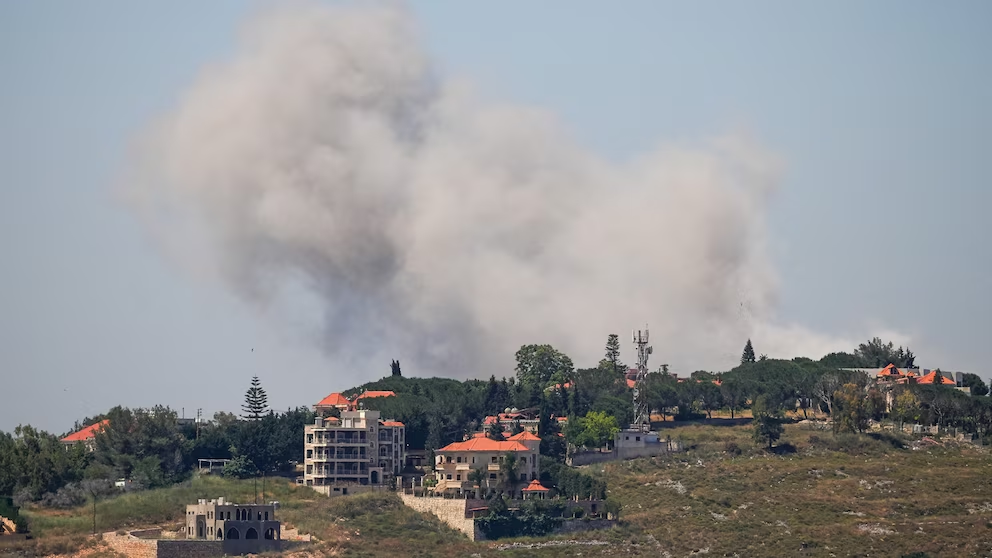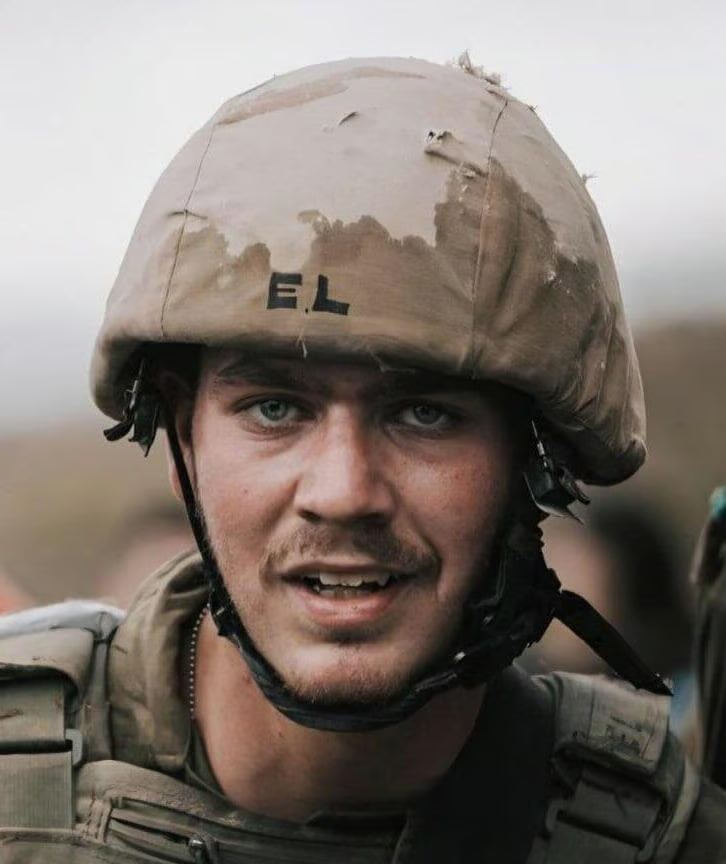
An Israeli soldier, Captain Eitan Shmuel Lemberg, 21, was killed in southern Lebanon on Thursday afternoon when an anti-tank missile struck his tank. The incident, which occurred around 4 p.m. Local time, involved a terrorist operative firing the missile at a tank belonging to the Golani Brigade combat team, according to initial reports from the field. Captain Lemberg, who served as a commander in the Armored Corps, was operating north of the Litani River at the time of the fatal attack. His position in the Armored Corps as a commander shows the direct involvement of Israeli military leadership in the ongoing engagements in the northern theater. The precise location of the tank, north of the Litani River, indicates the depth of the IDF's operational presence within southern Lebanon. The nature of the attack, a targeted anti-tank missile strike, notes the specific threats faced by armored units in the region.
IDF Response and Ceasefire Context
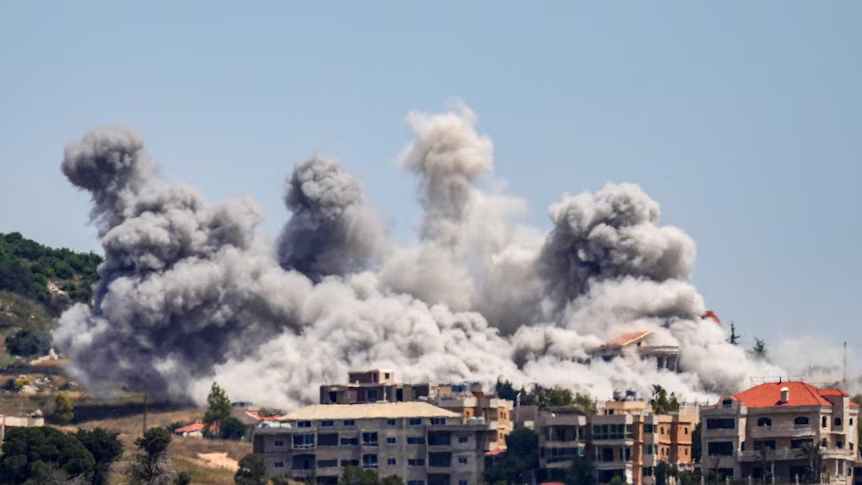
Immediately following the attack that killed Captain Eitan Shmuel Lemberg, the Israel Defense Forces (IDF) conducted swift and decisive airstrikes and artillery fire targeting Hezbollah terrorist infrastructure within the area. This military response was a direct retaliation for the aggression that resulted in the loss of a soldier. The retaliatory actions were aimed at neutralizing immediate threats and signaling a firm response to the missile attack. This escalation occurred shortly after the U.S. State Department announced an agreement between Israel and Lebanon to implement a ceasefire. The U.S.-mediated talks, which had been ongoing for some time, concluded overnight between Wednesday and Thursday, leading to the stated agreement. The timing of these events—a declared ceasefire followed by a fatal attack and immediate retaliation—shows the fragile and complex security situation along the border.
According to the U.S. Statement, the ceasefire understanding included plans for establishing "pilot zones" where the Lebanese Armed Forces would assume control, ensuring no Hezbollah presence in those areas. This provision was a key element of the diplomatic efforts, designed to create a buffer and reduce the likelihood of future confrontations by empowering the official Lebanese military. The Lebanese newspaper An-Nahar reported that Israeli airstrikes ceased immediately after the U.S. Statement was published, indicating a prompt de-escalation from the Israeli side following the diplomatic announcement. This cessation of Israeli military activity suggested an initial adherence to the terms of the newly brokered ceasefire, at least in the immediate aftermath of the U.S. Announcement. However, the subsequent attack on Captain Lemberg's tank dramatically altered the situation, prompting a renewed military response from Israel. The agreement's goal was to create conditions for stability, yet the events of Thursday demonstrated the persistent challenges in achieving lasting peace.
Despite the declared ceasefire, drone infiltration alerts were activated in two locations in the Galilee on Thursday morning. The first alert occurred in Arab al-Aramshe at 5:54 a.m. Followed three minutes later by another alert in Kfar Yuval. These incidents suggest continued tensions and security concerns in the region even as diplomatic efforts aimed at establishing a ceasefire were underway. The timing of the alerts, hours before the fatal incident involving Captain Lemberg, notes the volatile security situation near the border and the ongoing attempts by non-state actors to breach Israeli airspace or territory. These alerts served as an early warning of the persistent threats despite diplomatic breakthroughs, indicating that the operational reality on the ground remained fraught with danger. The continued activation of such alerts shows the deeply entrenched nature of the conflict and the difficulty of enforcing a full cessation of hostilities.
Internal Political Divisions
Internal discussions within the Israeli government revealed significant divisions over the decision to pursue a ceasefire in Lebanon. Prime Minister Benjamin Netanyahu updated ministers on the initiative, presenting the details of the U.S.-brokered agreement and its implications. However, not all cabinet members were in agreement with the proposed diplomatic path, exposing a rift within the ruling coalition regarding national security strategy.
Defense Minister Israel Katz reportedly opposed the ceasefire plan, according to sources familiar with the deliberations. His opposition signaled a preference for a more strong military approach rather than immediate de-escalation. The Israel Defense Forces (IDF) was also described as unenthusiastic about the proposed ceasefire, instead advocating for a broader military plan. This stance from the military establishment suggested a belief that further military action was necessary to achieve Israel's security objectives in the north, rather than relying solely on diplomatic arrangements. The IDF's assessment likely stemmed from its operational understanding of the threats posed by Hezbollah and other militant groups in southern Lebanon.
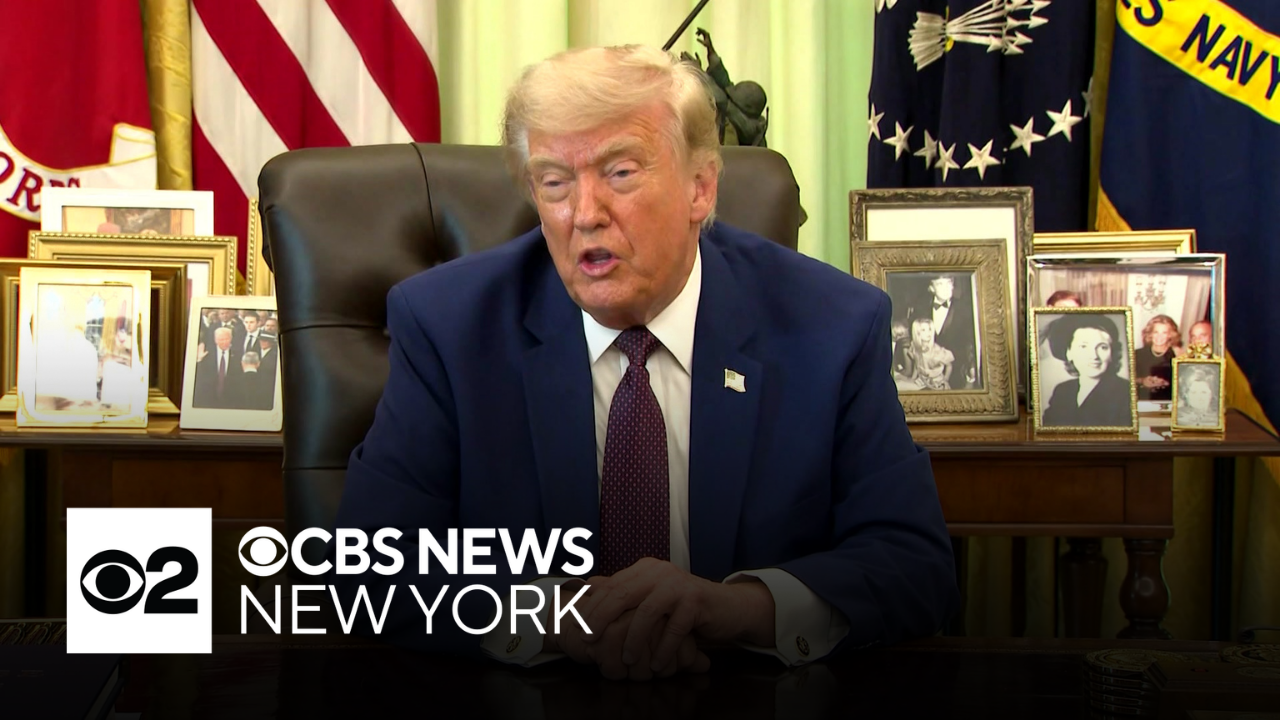
National Security Minister Itamar Ben-Gvir publicly criticized the move, calling it "a serious mistake." Ben-Gvir, known for his hawkish views, further stated that Israel should communicate a firm rejection to U.S. President Donald Trump regarding the ceasefire proposal. His strong condemnation noted a segment of the government that prioritized aggressive deterrence over diplomatic compromise, viewing any ceasefire as a sign of weakness or a missed opportunity to decisively address security threats. This public dissent from a senior minister showed the depth of the political disagreement within the government.
Conversely, Shas chairman Aryeh Deri voiced his support for Prime Minister Netanyahu's decision. Deri affirmed that Israel should proceed with the ceasefire, indicating a split within the governing coalition on the diplomatic approach to the conflict. His support provided a counter-balance to the hardline opposition, suggesting that some factions within the government saw the value in de-escalation and diplomatic engagement. These internal disagreements emerged as diplomatic efforts progressed to establish a de-escalation framework, illustrating the complex political landscape Prime Minister Netanyahu had to navigate while responding to external pressures and internal security concerns. The debate showcased the difficult balance between military action and diplomatic solutions in a highly volatile region.
Broader Conflict Toll
With Captain Eitan Shmuel Lemberg's death, the total number of Israeli soldiers killed since the current round of fighting began in the north has reached 28. This figure includes both those who have fallen in direct combat and those who have succumbed to injuries sustained during engagements in the northern theater. The ongoing conflict along the border with Lebanon has seen frequent exchanges of fire, including missile attacks, drone infiltrations, and artillery bombardments, contributing significantly to the rising casualty count among military personnel. Each casualty represents a profound loss for the Israel Defense Forces and the nation, noting the human cost of the sustained hostilities. The cumulative total of 28 soldiers killed shows the intense and dangerous nature of the operational environment faced by Israeli forces in the northern sector, where threats emanate from various militant groups.
In addition to the military casualties, four Israeli civilians have also been killed in the conflict. These civilian deaths show the broader impact of the hostilities, which have extended beyond military targets and severely affected communities near the northern border. Incidents involving rocket fire and anti-tank missiles originating from Lebanon have led to fatalities and injuries among non-combatants, prompting evacuations and significant disruption in border towns and villages. The presence of these civilian casualties further illustrates the indiscriminate nature of some of the attacks launched from across the border. These communities have faced constant threats, leading to widespread displacement and significant psychological and economic strain on residents. The cumulative toll reflects the sustained intensity of the fighting in the region and the widespread suffering it has inflicted on both military personnel and the civilian population, emphasizing the urgent need for a more stable and lasting resolution.