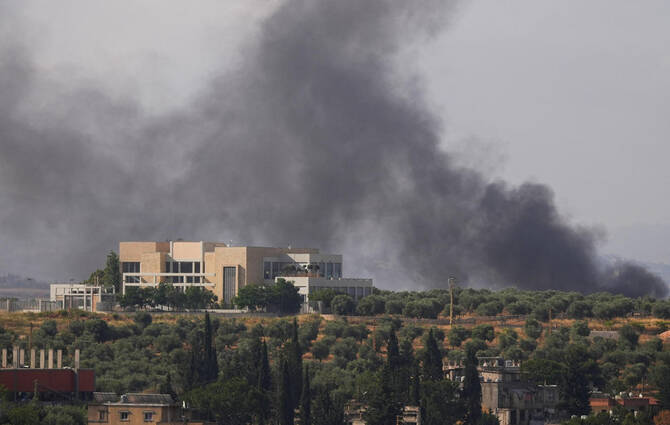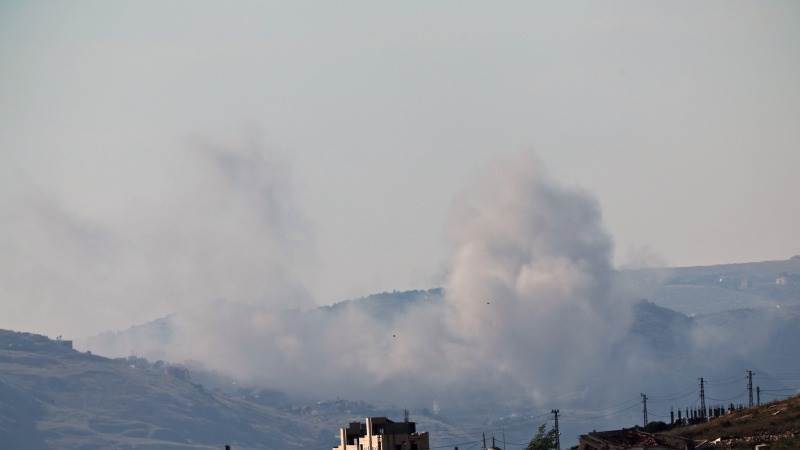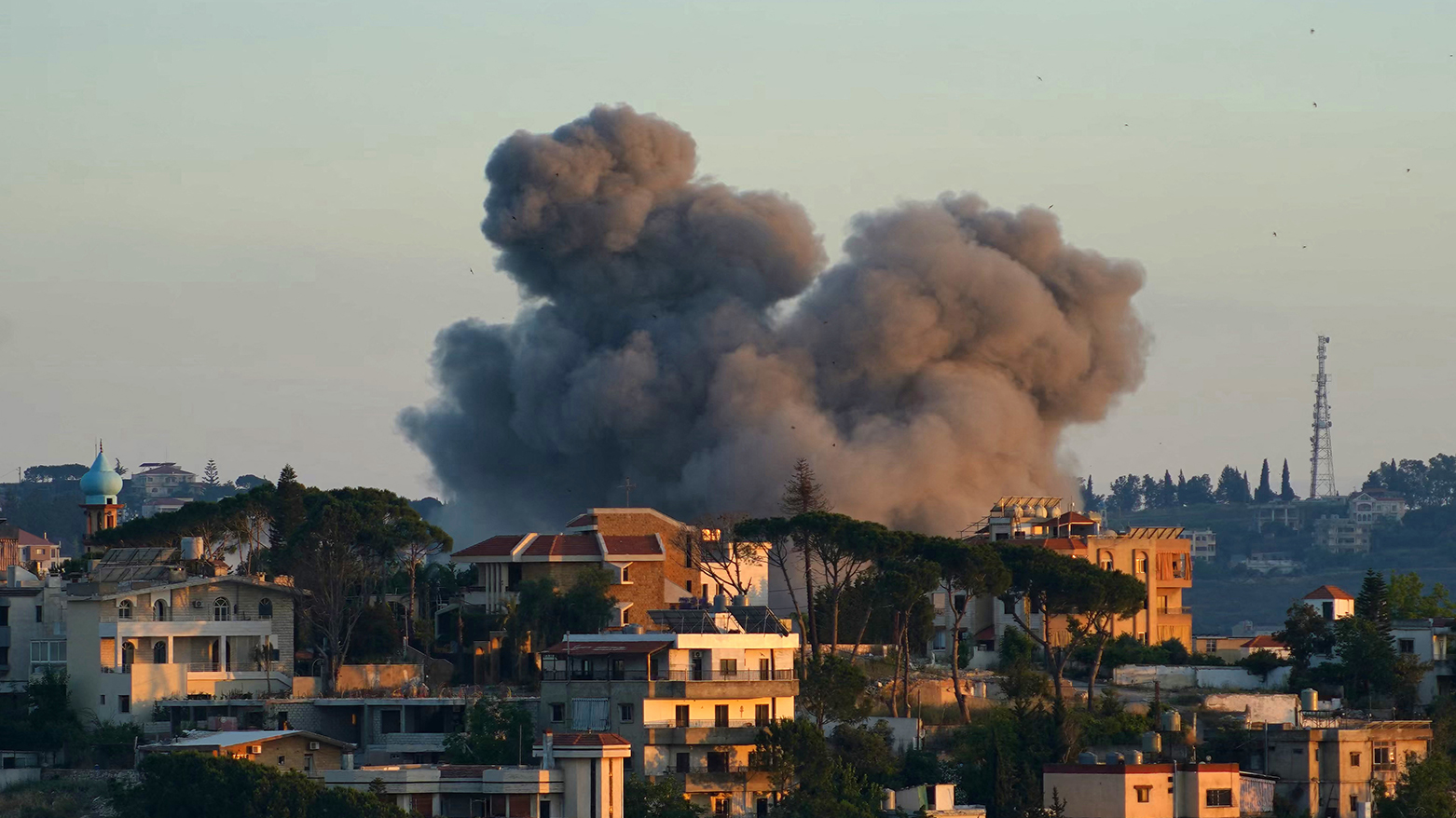
An Israeli drone strike killed one person in southern Lebanon on Saturday, according to Lebanon's National News Agency. The agency reported that the drone struck the cemetery of Maarakeh, resulting in the fatality. This incident adds to a series of escalating military actions in the region, drawing international concern. The drone strike on the cemetery of Maarakeh shows the volatile security situation in southern Lebanon, where civilian areas are increasingly affected by ongoing hostilities.
Escalating Strikes Across Region
Israeli warplanes carried out three overnight airstrikes on Deir ez-Zahrani in the Nabatieh district, according to Lebanon's National News Agency. This action marks a significant continuation of military activity in the region, targeting areas deep within Lebanese territory. The agency also reported that Israeli artillery fire targeted the town of Srifa, located in the Tyre district, further indicating intensified operations in southern Lebanon. These artillery barrages, alongside aerial bombardments, highlight a broad and sustained campaign. These engagements follow a pattern of ongoing Israeli strikes across substantial areas of southern Lebanon. These operations have persisted since the initial ceasefire announcement on April 16, indicating a continued state of conflict despite earlier diplomatic efforts. The sustained military actions demonstrate a continued focus on targets within Lebanese territory, particularly in its southern regions, suggesting a strategic intent to degrade specific capabilities or infrastructure. The aerial bombardments and artillery barrages contribute to an escalating situation in the border areas, raising fears of a wider confrontation. Military sources indicate that the strikes are part of broader regional security concerns, aimed at addressing perceived threats emanating from Lebanese territory. The impact of these strikes extends beyond immediate targets, causing widespread disruption and displacement among local populations.
Broader Regional Context
The latest developments in southern Lebanon follow the fourth round of negotiations between Lebanon and Israel, which were held one week prior under U.S. Sponsorship. These negotiations represent ongoing, albeit challenging, diplomatic efforts to de-escalate tensions and find a resolution to the long-standing border dispute. Despite these diplomatic overtures, the military actions on the ground continue unabated. Meanwhile, Iranian Foreign Minister Abbas Araghchi stated on Friday that negotiations with Washington are approaching a decisive stage. Araghchi elaborated, saying, "negotiations with Washington are approaching a decisive stage," showing the critical juncture in these high-stakes discussions. He also added that "Israel remains the principal opponent of a potential agreement between the two countries," noting the deep-seated geopolitical rivalries influencing regional stability. These statements show ongoing diplomatic efforts amid persistent regional military activities, illustrating the complex interplay between military actions and political negotiations in the Middle East. The outcome of these negotiations could significantly impact the broader security landscape, particularly concerning the future stability of Lebanon.
Diplomatic Stance and Opposition
The Israeli military issued evacuation warnings for 20 towns and villages in southern Lebanon. This development follows reports from Lebanon's National News Agency that Israeli forces demolished homes and government institutions in the city of Bint Jbeil at dawn, indicating a further escalation of ground operations.
The full evacuation warning covered a significant number of communities, including Deir ez-Zahrani, Nmeiriyeh, Sharqieh, Doueir, Harouf, Habboush, Kfar Joz, Zibdine, Nabatieh al-Tahta, Nabatieh al-Fawqa, Kfar Remman, Mahmoudiyeh, Sajd, Reihan, Aramta, Kfar Houneh, Mleikh, Louaizeh, Jرجوع, and Arabsalim. This extensive list of targeted towns and villages suggests a potential expansion of military operations into these areas, prompting residents to seek safety elsewhere and creating a humanitarian challenge. The warnings are typically seen as precursors to intensified military activity, urging civilians to vacate areas deemed to be zones of operation. The issuance of such a broad warning indicates a serious intent to conduct further operations across a wide swathe of southern Lebanon, further exacerbating the humanitarian situation and displacing thousands of residents from their homes.