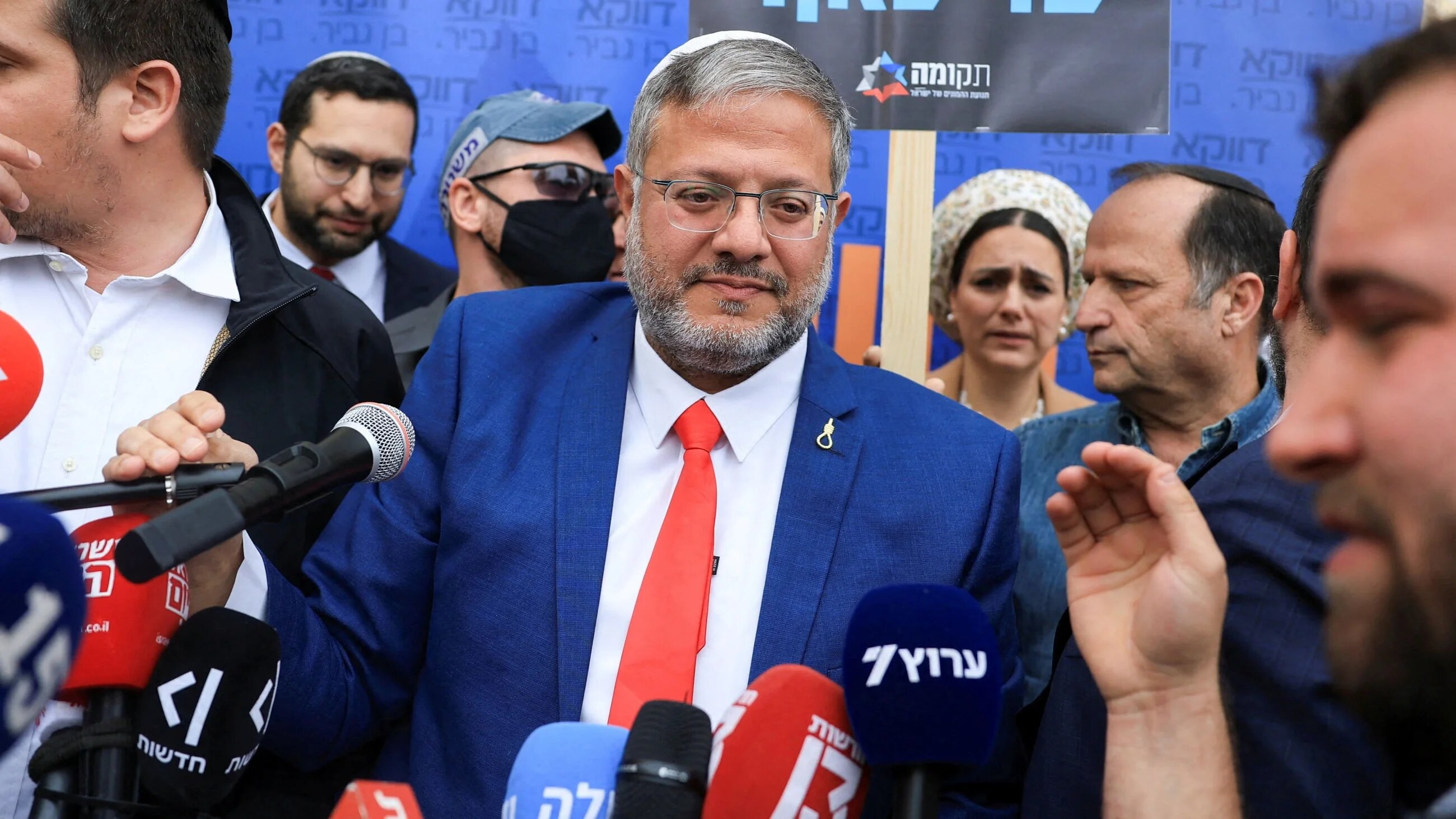
Israeli Minister Itamar Ben Gvir recently called for the seizure of Lebanese "women and youth" to exert pressure on Hezbollah, proposing the detention of civilians in what he termed "terrorist prisons." Mr. Ben Gvir stated, "Let's start thinking outside the box about Hezbollah," advocating for "conquering territory and killing many terrorists, but also arresting their women and youth and taking them to terrorist prisons." He added that such actions are "what hurts them the most." The minister's proposal comes as at least 34 Israelis have died from Hezbollah attacks since March, with 18 of those fatalities occurring since April 17. The minister's controversial remarks show a significant escalation in rhetoric surrounding the ongoing conflict.
Minister's Controversial Proposal
The national security minister proposed the idea during a security cabinet meeting on Tuesday, where discussions reportedly centered on strategies to counter Hezbollah's activities. During the meeting, Israeli officials reportedly supported expanding the assault in Lebanon, suggesting a more aggressive approach to the conflict. The proposal from Minister Ben Gvir specifically suggested the detention of Lebanese civilians as a means to pressure Hezbollah, aiming to exploit what he perceives as a vulnerability of the organization. This proposition represents a significant departure from conventional military tactics, raising questions about its legality and ethical implications.
The "unlawful combatant" law, initially enacted in 2002, allows for the detention of Lebanese citizens who are not under Israeli jurisdiction. This legislation permits their indefinite, renewable detention without formal charges. The law was specifically designed to allow for the holding of individuals deemed a threat without the regular legal process afforded to prisoners of war or criminal suspects. This legal framework has been a subject of intense scrutiny from international human rights organizations. Currently, around 1.2 million people have been displaced nationwide within Lebanon as a direct result of Israeli attacks. The displacement figures highlight the extensive impact of ongoing military operations on the civilian population, creating a humanitarian crisis alongside the military conflict. These displaced individuals often face severe hardship, including lack of shelter, food, and medical care, further exacerbating the regional instability.
Legal Framework for Detentions
Since the 2024 war, Israeli forces have abducted several Lebanese civilians, though their exact numbers remain unknown. These abductions have drawn sharp criticism from international bodies and human rights advocates. Rights groups have described the "unlawful combatant" legislation, under which such detentions could fall, as a flagrant violation of international law. They argue that the law bypasses fundamental principles of due process and fair trial, allowing for arbitrary detentions. Such criticisms highlight concerns over adherence to humanitarian law during conflicts.
Currently, 1,316 people are held under the “unlawful combatant” law. This number includes Palestinians from Gaza and Syrian nationals, demonstrating the broad application of the legislation across different populations. Detainees held under this legislation do not face formal indictments against them, allowing for indefinite, renewable detention without specific charges. This lack of formal indictment means individuals can be held for extended periods without ever being presented with the evidence against them or having the opportunity to challenge their detention in a court of law. The ambiguity surrounding the legal status of these detainees and the absence of clear judicial oversight continue to be major points of contention for legal experts and human rights organizations worldwide.
Escalation and Wider Conflict
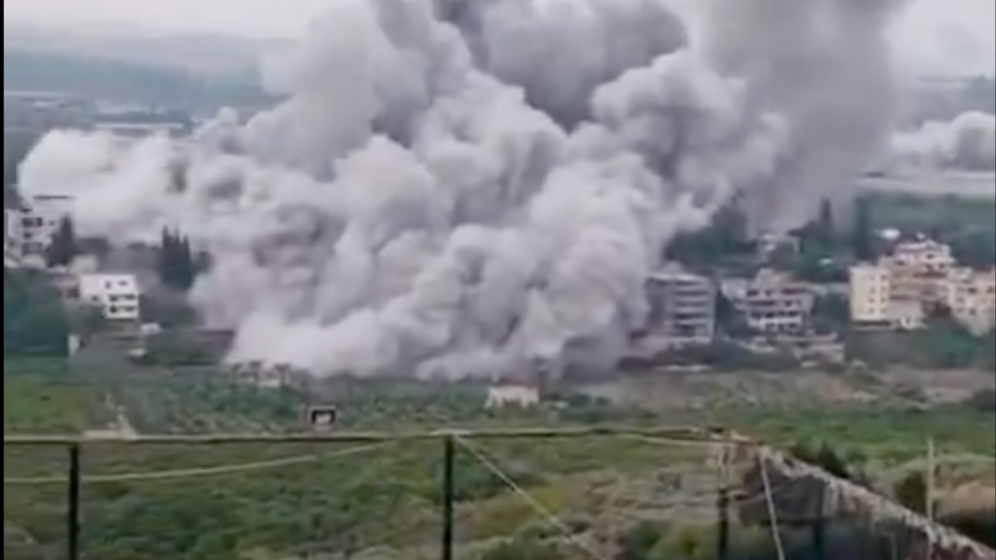
Israeli officials called for escalating attacks and increasing the defense budget during the latest security cabinet meeting, signaling a potential intensification of military operations. This call for further escalation comes despite international efforts to de-escalate tensions in the region. Since the so-called ceasefire announced by the US on April 17, Israel has carried out approximately 3,500 attacks and hundreds of controlled explosions. These military actions indicate a continued high level of operational activity, even after attempts by international mediators to broker a cessation of hostilities. The ongoing attacks have had devastating consequences for civilian populations.
According to the Lebanese health ministry, Israeli forces have killed at least 3,637 people since the latest assault began in March. More than 800 of these fatalities have occurred since the April 17 ceasefire, showing the continued violence despite diplomatic initiatives. The significant number of casualties notes the severe human cost of the protracted conflict and the challenges in achieving a lasting peace in the region. The persistent military engagement and the rising death toll contribute to a cycle of violence that affects both sides of the border.