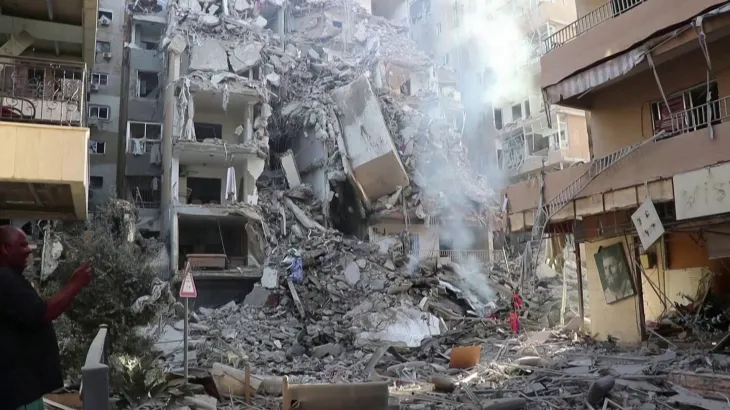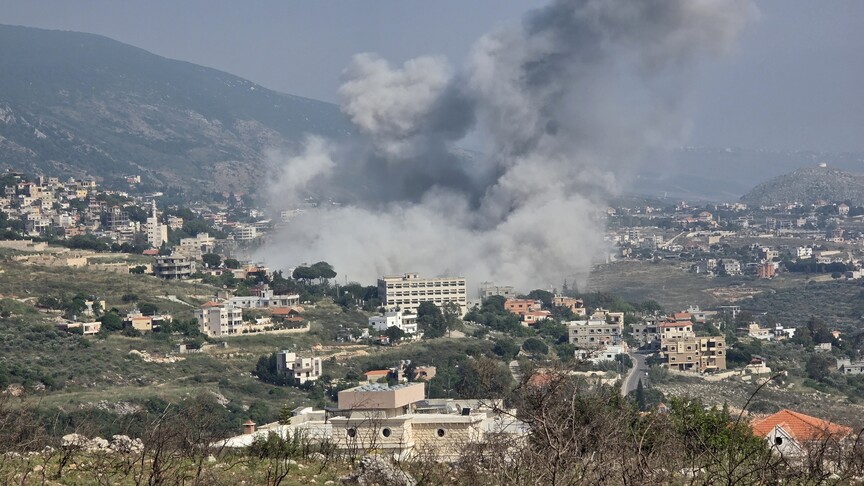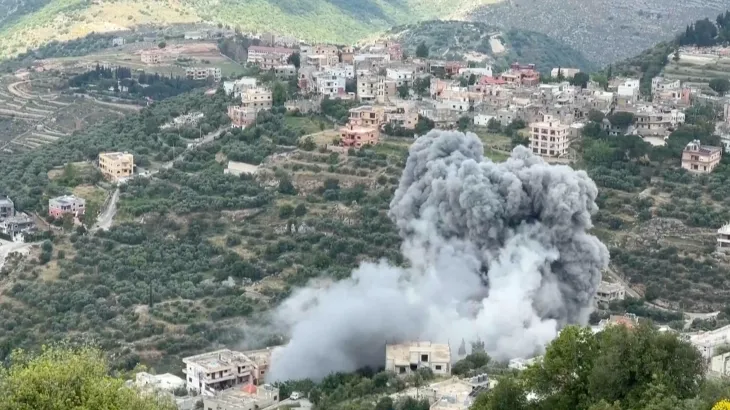
Israeli fighter jets struck a residential building in the village of Ain Qana in southern Lebanon, according to video evidence. The footage showed the aerial bombardment of the structure within the Lebanese village. The incident occurred as tensions continue in the region, marking another instance of military action in a volatile area. The video clearly depicted Israeli fighter jets conducting the strike on the residential building situated in Ain Qana village, a community located in southern Lebanon. This aerial operation drew significant attention due to its impact on a civilian structure.
Strike Details Emerge
The Israeli strike on the residential building in Ain Qana sent thick plumes of smoke into the sky. The aerial bombardment was captured in video evidence from the Lebanese village, providing visual confirmation of the event. The plumes of smoke, visible from a considerable distance, indicated the intensity of the strike and the damage inflicted on the building. Eyewitness accounts, corroborated by the video footage, described the immediate aftermath of the aerial attack on the residential structure. The visual evidence detailing the strike on the residential building in Ain Qana village in southern Lebanon has been widely circulated, showing the direct impact of the military operation. The immediate consequence of the attack was the dramatic emission of thick plumes of smoke, which billowed into the sky above Ain Qana, drawing attention to the site of the bombardment.
Context of Escalation
The attack in Ain Qana occurred amidst ongoing ceasefire violations by Israel, preceding scheduled military-level talks between two countries in Washington, DC. The broader situation in the region has seen repeated exchanges of fire and incursions across the border, contributing to a volatile security environment. This latest incident, involving Israeli fighter jets striking a residential building, adds another layer of complexity to an already tense geopolitical landscape. Military analysts suggest such incidents often complicate diplomatic efforts aimed at de-escalation, as they can be perceived as undermining trust ahead of negotiations. The upcoming discussions in Washington, DC, are anticipated to address various security concerns and potentially explore mechanisms to reinforce a precarious ceasefire. The persistent nature of these military actions, particularly the strike in south Lebanon, introduces additional challenges to these diplomatic initiatives. The timing of the strike, just before high-level talks, notes the persistent tension and the complex nature of the security dynamic that negotiators aim to address in the United States capital. The continued pattern of ceasefire violations attributed to Israel has been a recurring theme in the regional security discourse, setting a challenging backdrop for any potential diplomatic breakthroughs. These violations often involve cross-border actions that destabilize local communities and raise the specter of broader conflict.
Ongoing Ceasefire Violations
The strike on the residential building in Ain Qana occurred amidst ongoing ceasefire violations by Israel. This incident preceded scheduled military-level talks between two countries in Washington, DC. The broader situation in south Lebanon has seen repeated exchanges of fire and incursions across the border, contributing to a volatile security environment. The timing of the strike, just before high-level talks, notes the persistent tension and the complex nature of the security dynamic that negotiators aim to address in Washington, DC. Such incidents often complicate diplomatic efforts aimed at de-escalation, as they can be perceived as undermining trust ahead of negotiations. The consistent reports of ceasefire violations by Israel have been a point of contention, especially as diplomatic channels seek to establish more stable conditions. These violations encompass a range of military activities that challenge the fragile peace and contribute to an atmosphere of distrust. The recurrence of these events, culminating in actions like the recent strike, shows the deep-seated challenges faced by those attempting to foster stability in the region. The scheduled military-level talks in Washington, DC, are therefore tasked with navigating this intricate environment, where military actions on the ground continue to impact the prospects for diplomatic progress. The international community often views such pre-negotiation incidents with concern, recognizing their potential to derail even the most carefully planned diplomatic engagements.