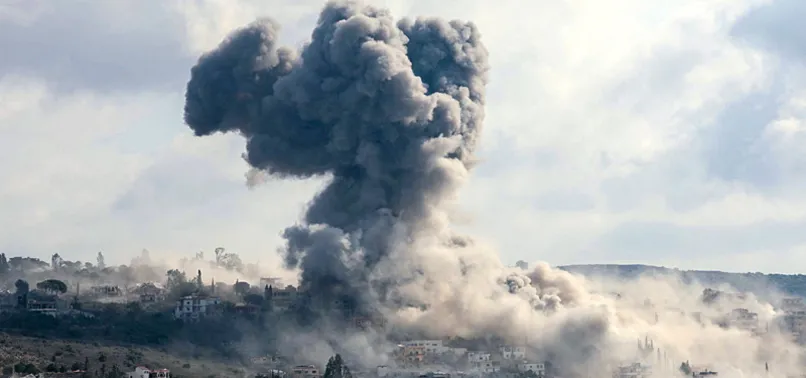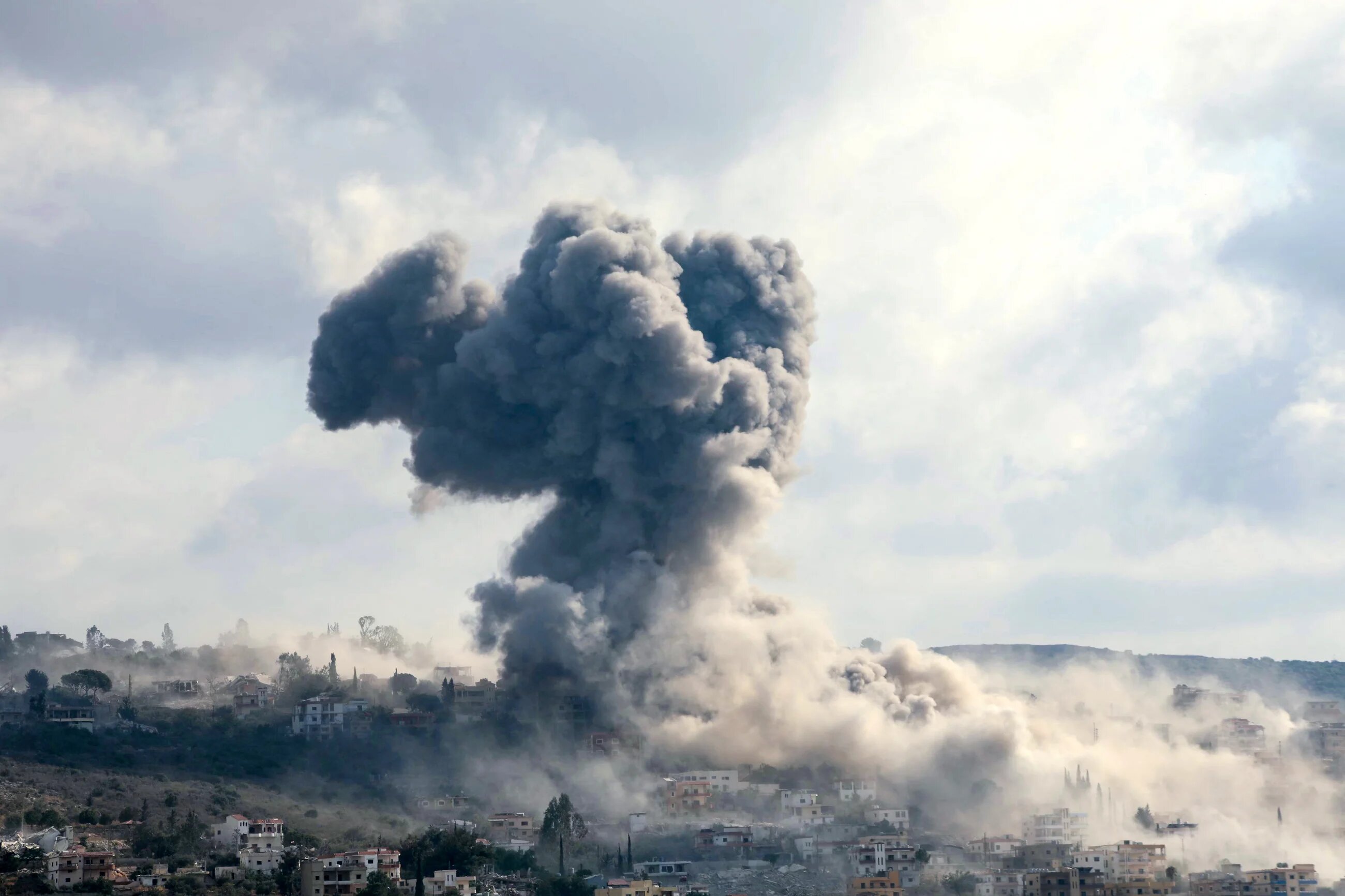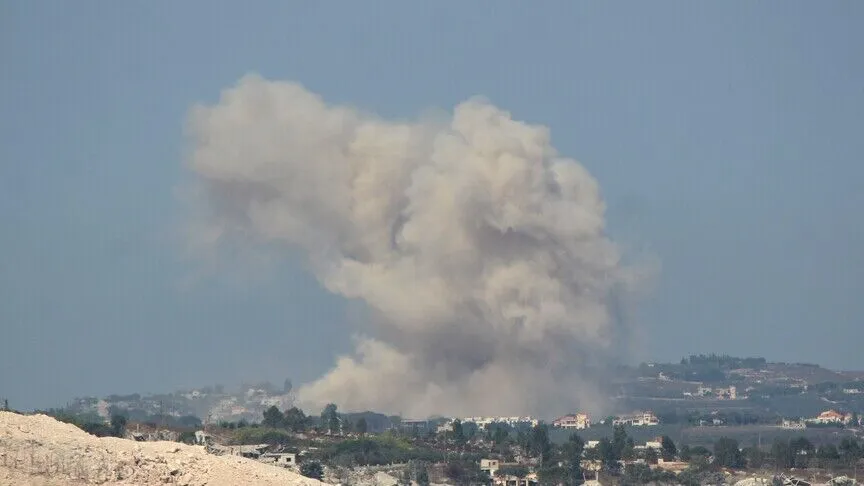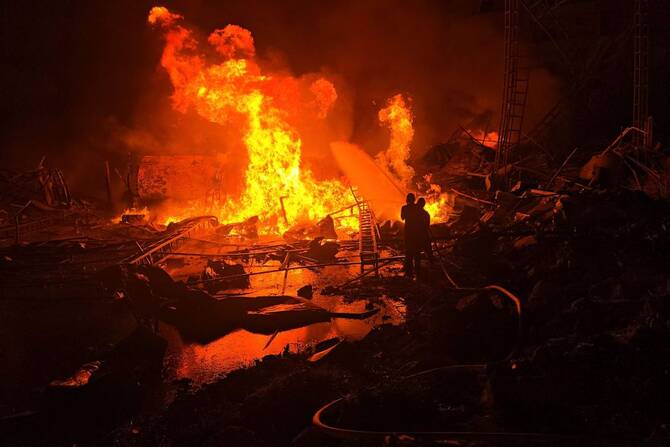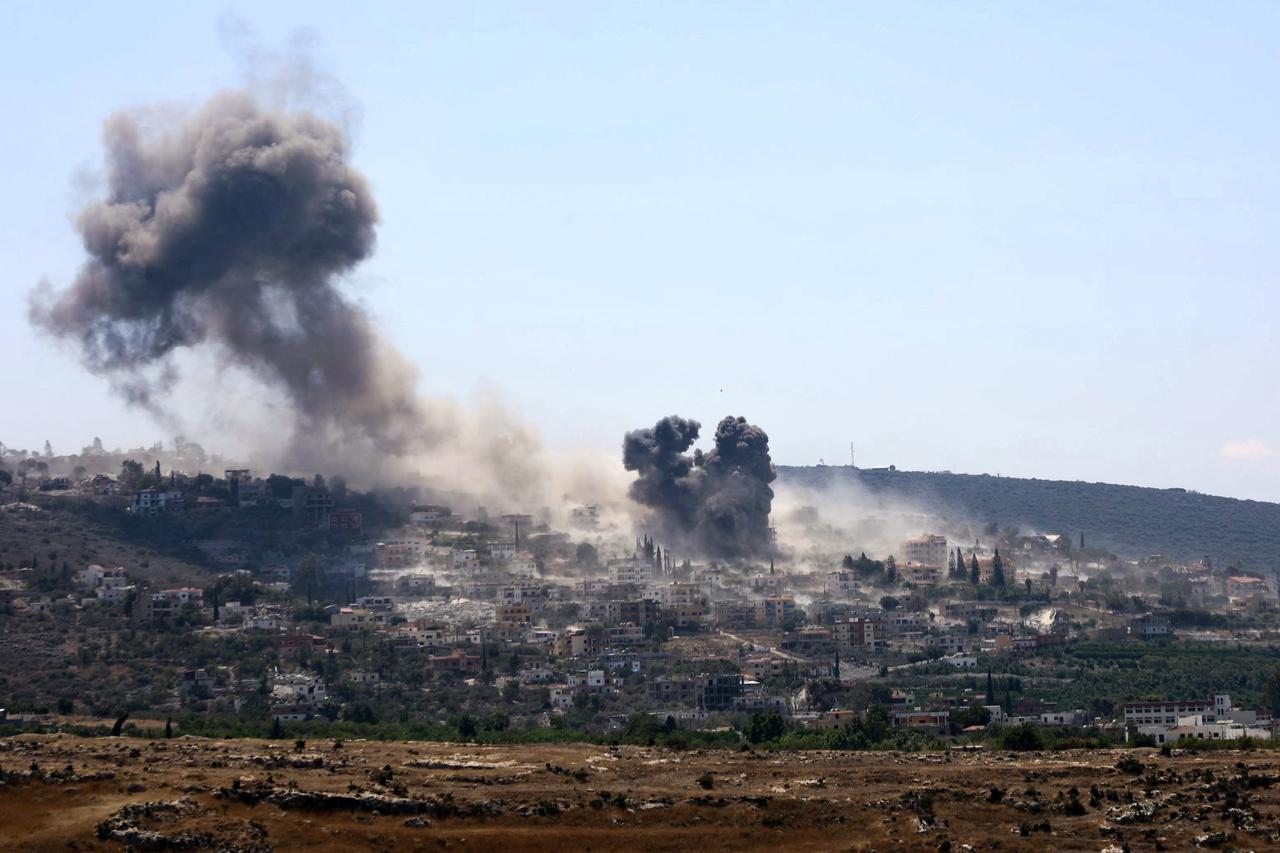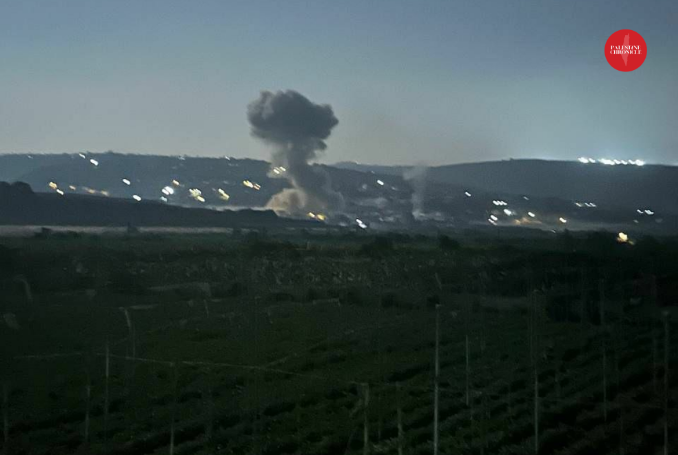
Israeli occupation forces continued attacks across south Lebanon on Friday, targeting several areas with artillery and machine-gun fire amidst ongoing ceasefire violations, according to Palestine Chronicle Staff. Lebanon’s National News Agency reported that Israeli artillery specifically targeted the town of Houla and Wadi al-Salouqi on Friday. This direct targeting by Israeli artillery shows the persistent nature of military actions in the region. Israeli forces also opened machine-gun fire in other southern areas, further contributing to the atmosphere of instability. These military operations have persisted despite a US-mediated framework intended to facilitate a gradual Israeli withdrawal and the deployment of the Lebanese army in the south, noting a significant challenge to diplomatic efforts. This ongoing military activity by Israeli forces continues despite the diplomatic efforts to de-escalate tensions in the region.
Escalation and Specifics
The attacks on Friday followed an escalation on Thursday, which involved Israeli airstrikes, artillery fire, and ground incursions across multiple areas of southern Lebanon. This escalation marked a significant increase in military activity, raising concerns about the security situation in the border region. Israeli airstrikes on Thursday specifically targeted residential areas in Arabsalim, resulting in the tragic death of Saja Sharara, a newlywed woman, and injuries to several other individuals. Ms. Sharara's death brought a somber focus to the human cost of the ongoing conflict. Arabsalim Mayor Ali Hassan stated that Ms. Sharara had been married only two days prior to the Israeli strike that hit a residential home in the town, emphasizing the sudden and devastating impact on civilian lives. The attack on Arabsalim exemplifies the direct threat posed to civilians by the continued military operations.
Further Israeli attacks were reported in other locations, indicating a broad scope of military operations. These included Nabatieh al-Fawqa, al-Mansouri, Mays al-Jabal, and around the Ali al-Taher heights. The targeting of these diverse locations suggests a widespread pattern of military engagement by Israeli forces. Israeli occupation forces also conducted ground movements and incursions, demonstrating their presence beyond aerial and artillery bombardments. These operations included an advance by Merkava tanks and other military vehicles toward the outskirts of Kfar Shuba, signaling a more direct and visible military presence in certain areas. Such ground movements often heighten tensions and risk further confrontation. The incursions and ground movements by Israeli forces illustrate a tactical approach that extends beyond aerial and long-range bombardments, impacting the immediate security of border communities.
Framework Agreement Context
On June 26, Lebanon and Israel reached a US-mediated framework agreement that outlined the gradual withdrawal of Israeli forces from occupied Lebanese territory. This agreement was hailed as a potential step towards de-escalation and a more stable border environment. The continuing military operations by Israeli forces in southern Lebanon are part of a campaign that intensified following the launch of a new offensive on March 2. This broader campaign has seen consistent military actions, which the framework agreement sought to address. The framework agreement stipulated that the Lebanese army would deploy into areas vacated by Israeli forces, thereby establishing a legitimate security presence in the border zone. Concurrently, armed groups operating in the region, including Hezbollah, would be disarmed, a key component aimed at reducing the presence of non-state actors and fostering a more secure environment. This disarmament clause is central to the long-term stability envisioned by the agreement.
US-sponsored negotiations have since continued regarding the implementation of the agreement. These discussions have focused on determining a timetable for the Israeli withdrawal, a critical step for the successful execution of the framework. Additionally, the negotiations have addressed the subsequent deployment of the Lebanese army, ensuring a coordinated and effective transition of security responsibilities. The framework aims to establish a clear process for stabilizing the border region and transferring security responsibilities from Israeli forces to the Lebanese state, thereby creating a more lasting peace. However, the ongoing military actions by Israeli forces present a significant challenge to the spirit and practical implementation of this diplomatic accord. The persistent military activity complicates the diplomatic efforts to finalize a full timetable for the Israeli withdrawal and the subsequent deployment of the Lebanese army.
Ongoing Violations and Impact
Israeli occupation forces continued their attacks on southern Lebanon on Friday, targeting several areas with artillery and machine-gun fire, according to Lebanon’s state-run National News Agency (NNA). The agency reported that no casualties or material damage were immediately reported from these specific attacks on Friday, though the persistent nature of the bombardments remains a concern for residents. However, Israeli attacks have persisted throughout the ongoing negotiations concerning the US-mediated framework agreement, indicating a disconnect between diplomatic efforts and on-the-ground military actions. Airstrikes, artillery shelling, incursions, and other military operations have been repeatedly reported across southern Lebanon during this period, creating a climate of fear and uncertainty for local populations. These continued actions have occurred despite diplomatic efforts aimed at establishing a more stable security environment in the border region and show the complexities of achieving a lasting peace in the area. The repeated violations of the ceasefire framework signal a challenging path forward for the full implementation of the US-mediated agreement. The continuation of these military operations by Israeli forces, including airstrikes, artillery shelling, and incursions, poses a direct threat to the fragile peace process and the well-being of the civilian population.