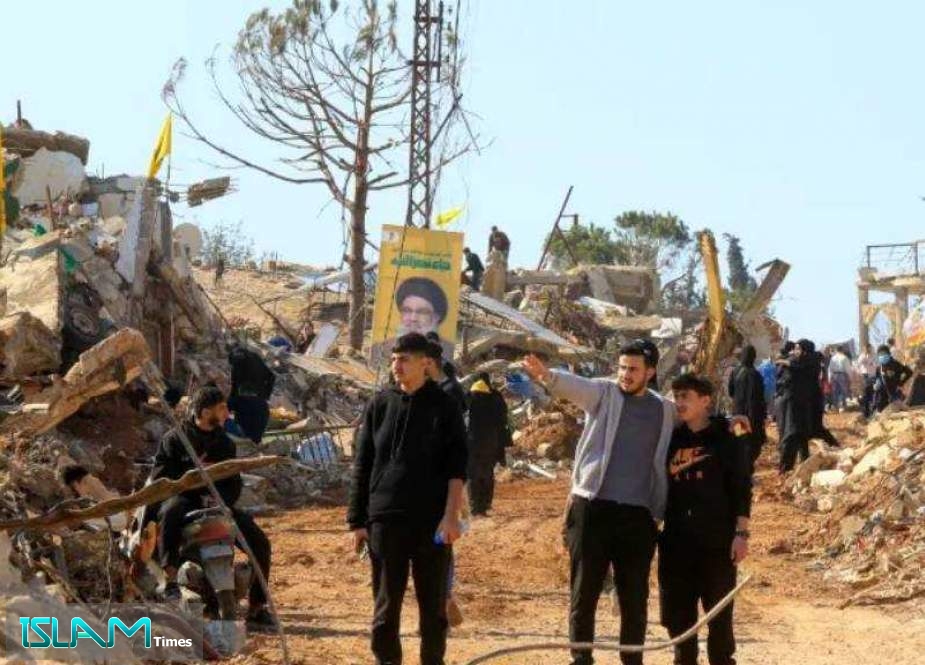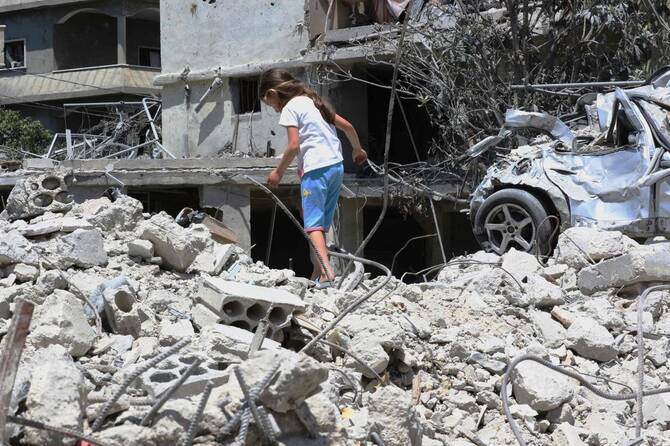
An Israeli drone strike in southern Lebanon on Monday killed one person, marking the first reported deadly incident since the announcement of a full deal aimed at ending the Middle East war on all fronts. The strike, which occurred on June 16, 2026, involved enemy drone aircraft targeting a car at the Kfar Tibnit roundabout. This aerial assault led directly to the death of the vehicle's driver, according to detailed reports from the National News Agency (NNA). Kfar Tibnit is a village strategically located near the significant city of Nabatieh, a region that has frequently been at the center of military engagements. The precision of the strike and its timing, coming after a period of intense diplomatic activity, have drawn considerable attention to the fragile security situation in the area.
Hezbollah Reports Repelling Israeli Advance
In a separate but related development, the Lebanese militant group Hezbollah announced it had successfully repelled an Israeli force attempting to "advance" into southern Lebanese territory. Hezbollah's statement provided specific details, indicating that their fighters employed a combination of "rockets and drones" to obstruct the Israeli force. This Israeli contingent reportedly included an excavator and two Merkava tanks, suggesting an attempt at engineering work or a ground incursion near Kfar Tebnit town. The group's statement emphasized that the engagement was successful in blocking the Israeli movement, preventing any further penetration into Lebanese soil. This incident notes the persistent military activity in the region, even as diplomatic efforts strive for de-escalation. The confrontation near Kfar Tebnit, a village in close proximity to the site of the drone strike, shows the interconnected nature of these events and the ongoing tensions along the border.
Abbas Araghchi, a prominent Iranian official, subsequently emphasized "the importance of respecting Lebanon’s sovereignty" following these developments. His statement showed broader international concerns regarding military actions within Lebanese territory, particularly given the recent diplomatic breakthroughs. The incident marks a significant event in the context of ongoing regional tensions, demonstrating that military activities continue despite efforts to foster a more stable environment. The actions reported by Hezbollah, involving both ground and aerial assets, illustrate the complex and multifaceted nature of the conflict dynamics in southern Lebanon.
Lebanon Welcomes War-Ending Agreement
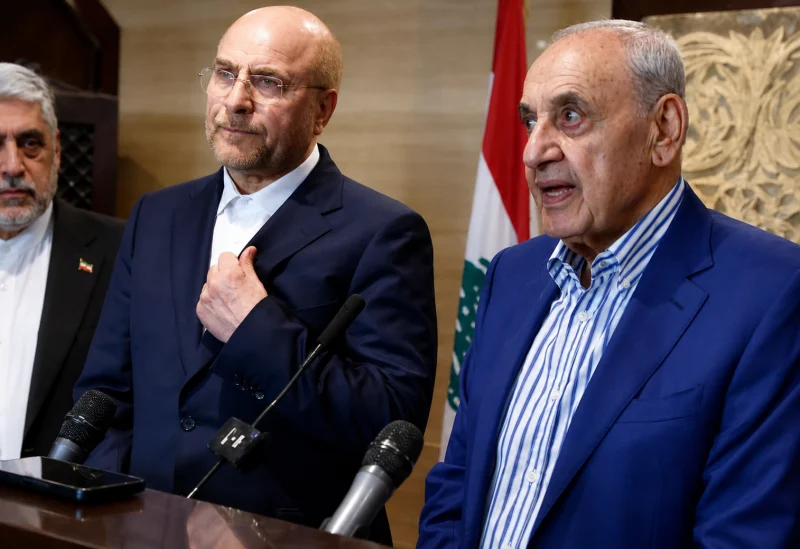
Against this backdrop of continued military activity, Lebanese President Joseph Aoun welcomed the announced US-Iran deal, which aims to bring an end to the protracted Middle East war. The agreement, which explicitly encompasses Lebanon as a critical component of its regional scope, was formally communicated to President Aoun. This significant announcement was made during a direct call from Iran’s top diplomat and foreign minister, Abbas Araghchi, to the Lebanese head of state. President Aoun expressed profound hope that the agreement would indeed be a “positive step toward reducing tensions and opening the door to diplomatic solutions.” The call from Araghchi initiated the official announcement of the deal to the Lebanese presidency, signifying a key moment in regional diplomacy. The inclusion of Lebanon in the peace framework is seen as vital for the country's stability and security, offering a potential pathway out of recurrent conflict.
The Lebanese President's optimistic outlook reflects a widespread desire for peace and stability in a nation that has frequently borne the brunt of regional conflicts. The explicit mention of Lebanon in the US-Iran deal shows the international recognition of its key role in the broader Middle East security architecture. The diplomatic engagement between Iran's foreign minister and President Aoun notes the high-level efforts being made to secure a lasting peace. This agreement, if successfully implemented, could redefine regional alliances and reduce the frequency of cross-border military confrontations that have plagued southern Lebanon for years. The hope is that such a full deal will provide a framework for resolving outstanding issues and fostering a more cooperative regional environment.
Broader Regional Implications
The Israeli drone strike in Kfar Tibnit, which resulted in one fatality on Monday, occurred amidst a newly announced deal aimed at ending the Middle East war on all fronts. This incident in South Lebanon took place shortly after the Lebanese militant group Hezbollah reported repelling an Israeli force near Kfar Tebnit town, utilizing rockets and drones against an excavator and two Merkava tanks. The timing of these events, following the announcement of a broader peace agreement, signals potential challenges to its implementation and shows the deep-seated complexities of the regional conflict. The strike and the reported confrontation highlight the persistent volatility even as diplomatic initiatives seek to de-escalate wider conflict.
Iranian official Abbas Araghchi previously emphasized "the importance of respecting Lebanon’s sovereignty" in light of military actions within Lebanese territory, a sentiment that resonates strongly after the recent drone strike. Lebanese President Joseph Aoun welcomed the US-Iran deal, which explicitly includes Lebanon, expressing hope it would be a "positive step toward reducing tensions and opening the door to diplomatic solutions." The continued military engagements, despite concerted diplomatic efforts and the announcement of a full peace deal, highlight the complex and fragile nature of the regional security landscape. The strike near Nabatieh shows the persistent volatility and the significant hurdles that remain in achieving a lasting peace, even with high-level agreements in place. The incident serves as a stark reminder that the path to full de-escalation is fraught with challenges, requiring sustained commitment from all parties involved.