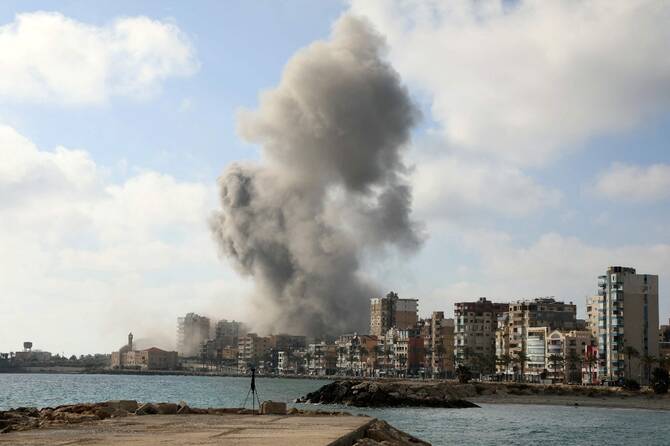
Israeli bombardment has damaged a World Heritage site in Lebanon’s southern city of Tyre. The city, which lies approximately 20 kilometers (12 miles) from the Israeli border, contains UNESCO World Heritage listed ruins in two main areas. These ancient sites, renowned for their historical significance and architectural remnants, have been affected by the ongoing conflict. Tyre, a city with a rich history dating back millennia, was designated a UNESCO World Heritage site in 1984, recognizing its outstanding universal value. Its archaeological treasures span various epochs, including Phoenician, Roman, and Byzantine periods, making it a key location for understanding ancient civilizations in the Mediterranean.
On Sunday, Israel issued an evacuation warning that included districts with archaeological areas. One such area is known as the city site, which houses impressive Roman ruins. This warning heightened concerns for the safety of both residents and the irreplaceable historical structures within these zones. The damage to the World Heritage site shows growing concerns about the preservation of cultural heritage during hostilities, noting the vulnerability of such irreplaceable landmarks in conflict zones. The international community often emphasizes the protection of cultural heritage, even during warfare, under various conventions and protocols.
Damage Assessment Underway
AFP correspondents observed dust and debris near ancient columns on Monday, following the previous day's bombardment in Tyre. The scene revealed the immediate aftermath of the strikes, with visible signs of destruction. Twisted metal and broken tree branches were also visible near several stone artifacts within the World Heritage site, indicating the force of the explosions. Further damage included concrete and metal debris strewn onto a stone stairway, obstructing pathways and potentially damaging underlying structures. The administrative office of the site was also struck during the incident, impacting the functional infrastructure supporting the heritage area.
Assessing the full extent of the damage has been complicated by the ongoing security situation in southern Lebanon. Experts have not been able to access the site to conduct a full evaluation due to the inherent danger in the area. This inability of specialists to survey the damage in person means a detailed inventory of destroyed or affected cultural heritage elements cannot yet be completed. The delay in a thorough assessment raises significant concerns about the immediate and long-term preservation needs of the ancient ruins, as prompt intervention is often key for mitigating further deterioration and planning restoration efforts. The detailed assessment is critical to understanding the specific components that require urgent attention and to formulate an effective conservation strategy.
Heritage Site Under Threat
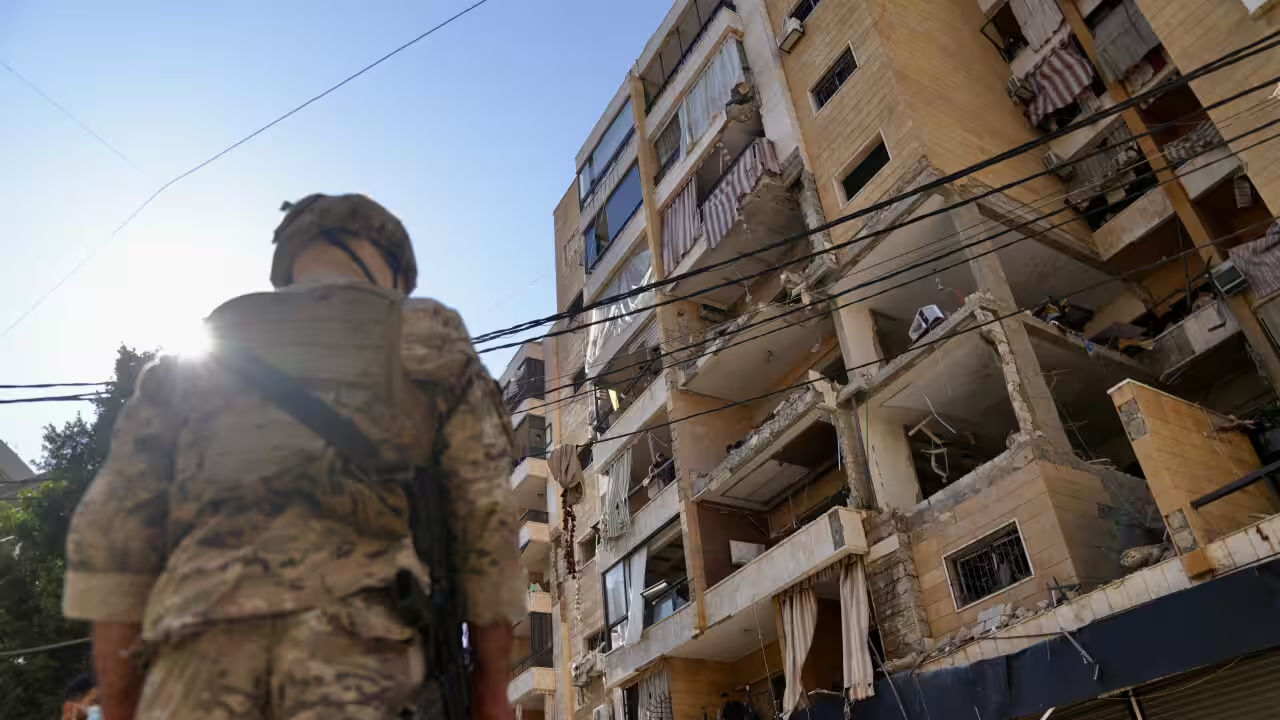
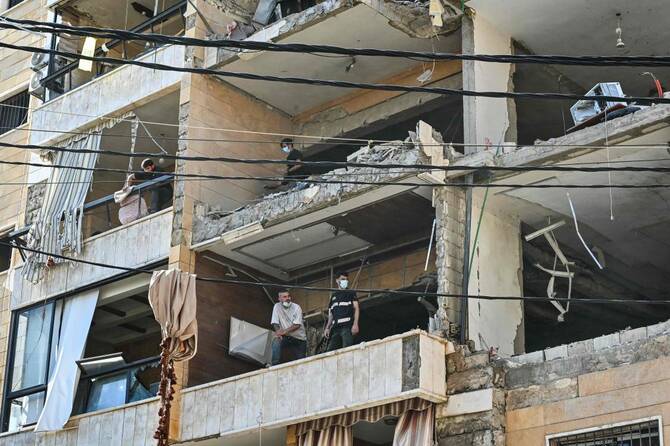
Israel’s military has heavily bombed Tyre since the latest war erupted with Hezbollah. The intensity of these bombardments has raised alarm among cultural preservationists and local authorities. Ali Badawi, regional director of archaeological sites for south Lebanon in the culture ministry, stated that Sunday’s bombardment had “the worst impact” on Tyre’s ancient areas since the war began. This assessment from a local expert shows the severity of the recent incident compared to previous events in the conflict. Badawi emphasized the civilian nature of the site, telling reporters, "This is a civilian site, a World Heritage site, it’s not a military site at all, and there are no military activities there." His statement aimed to highlight that the site holds no strategic military value and its damage is purely a loss of cultural heritage. He also noted, "The amount of debris and damage at the site is high," providing a qualitative measure of the destruction observed.
Since a previous round of hostilities between Israel and Hezbollah which erupted in 2023, UNESCO has granted more than 70 heritage sites in Lebanon, including Tyre, “provisional enhanced protection.” This designation represents the organization’s highest level of legal protection for cultural sites under international humanitarian law, aiming to shield them from the effects of armed conflict. Neither Israel nor Hezbollah have respected a ceasefire in the war, which erupted when the Iran-backed group entered the Middle East conflict on March 2 with rocket fire at Israel to avenge the US-Israeli killing of Iran’s supreme leader. The continued hostilities, despite international protections, demonstrate the challenges of safeguarding cultural heritage in active conflict zones. Late last month, Lebanon’s Culture Minister Ghassan Salame told AFP that Israeli strikes on the country’s south were putting heritage sites in "serious danger," echoing the concerns of local officials and international bodies.
Officials Express Concern
UNESCO had been notified about the damage to the World Heritage site in Tyre, initiating international attention to the incident. A preliminary damage assessment was underway to determine the extent of the impact, relying on available imagery and reports from the ground where direct access was not possible. The bombardment caused archaeological artifacts to sustain damage as rubble fell onto them, a common and devastating consequence of explosions near ancient structures. Debris was scattered over a significant area, affecting numerous elements within the site, including columns, capitals, column bases, and mosaics. The wide dispersal of debris suggests a considerable blast radius and impact force.
This incident marks the second time a World Heritage site in Tyre has been affected by the ongoing conflict. The other part of the site in Tyre, known as Al-Bass, had previously sustained damage earlier in the hostilities, indicating a pattern of threats to these invaluable cultural assets. The Al-Bass site is particularly famous for its monumental arch and necropolis, ancient structures that are equally vulnerable to military actions. The current assessment aims to provide a clearer picture of the destruction to inform potential preservation efforts, which will be key for the long-term survival and restoration of these ancient wonders. The repeated damage to such sites raises serious questions about the adherence to international conventions designed to protect cultural property during armed conflict.