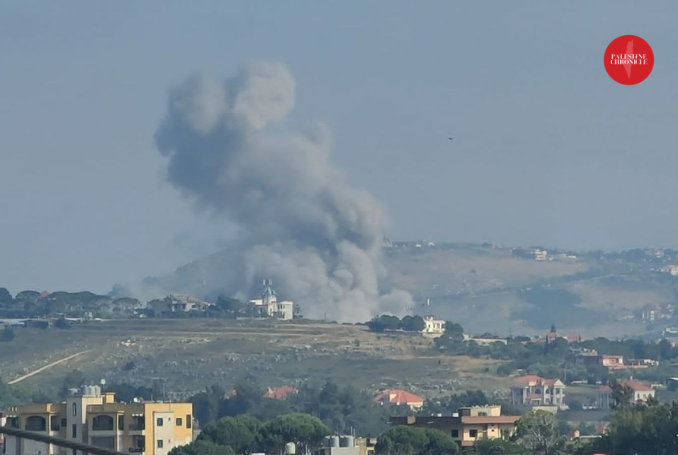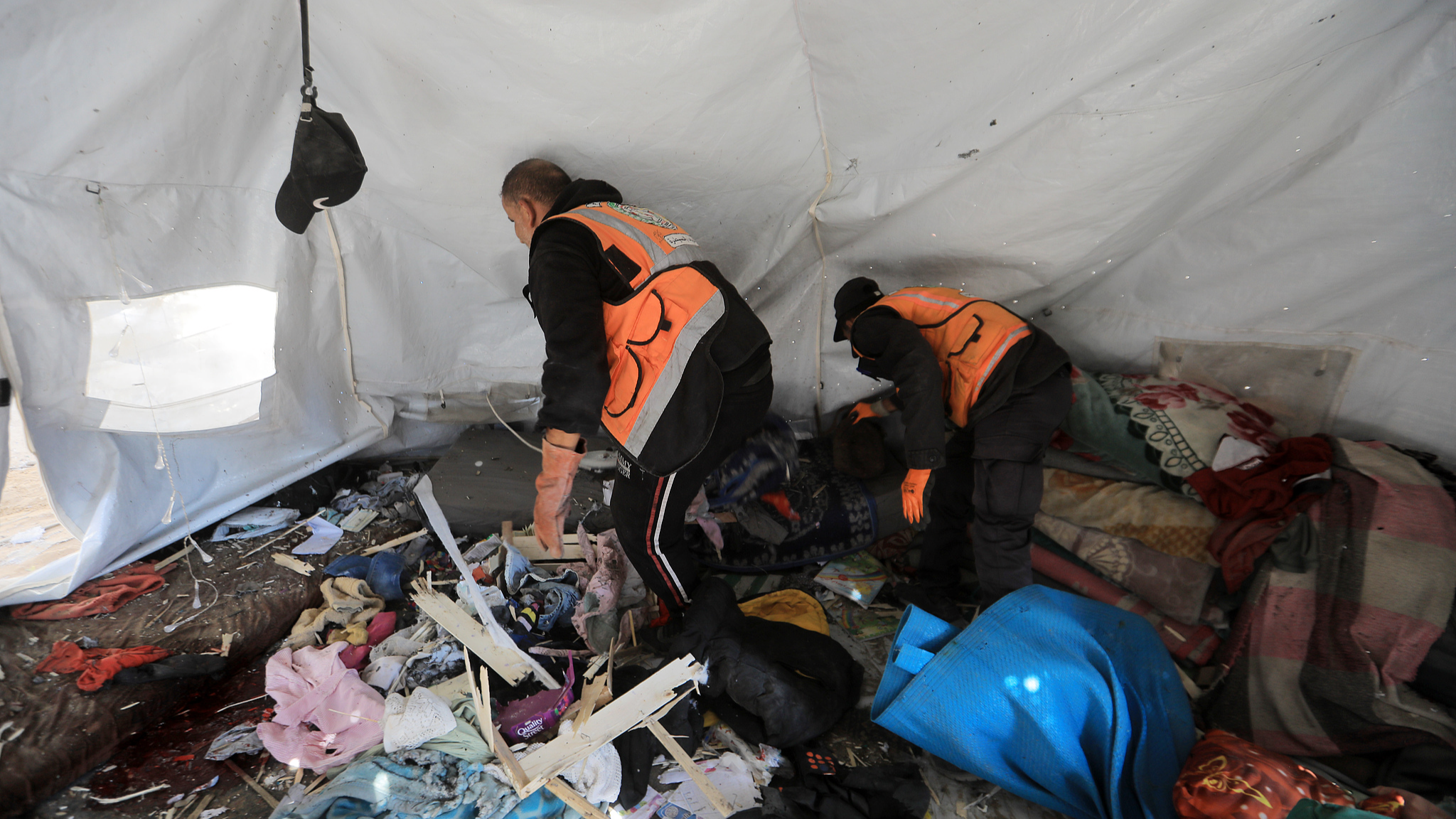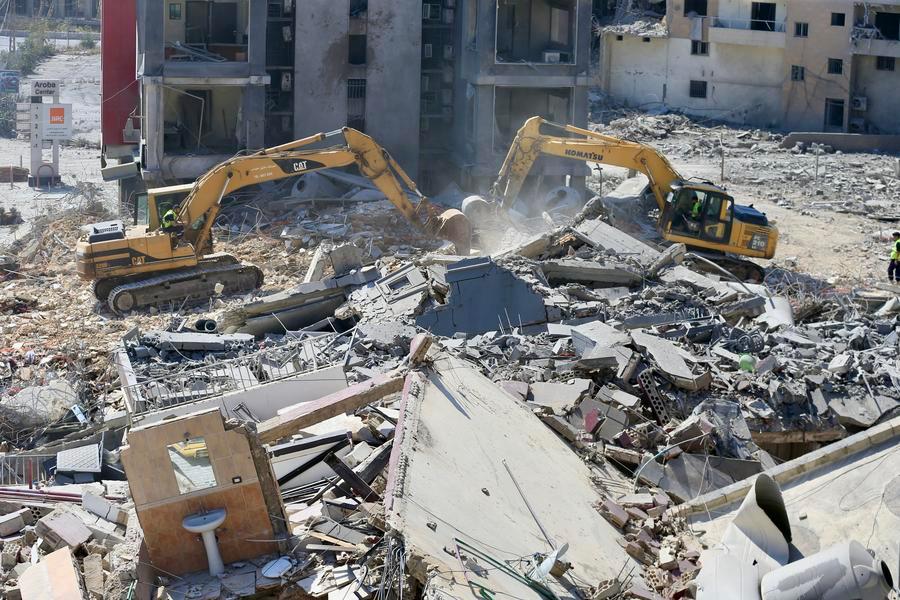
Israeli attacks across southern Lebanon killed at least 14 people on Saturday, June 6, 2026. This significant loss of life occurred amidst heightened tensions and ongoing military operations in the border region. Six individuals died in an airstrike on the town of Saksakiyeh in the Sidon district, an incident that showed the intensity of the conflict. Separately, two people were killed in the town of Harouf, adding to the day's grim toll. Another person was killed while on a motorcycle in Abbassiyeh, as strikes targeted various locations in the region, indicating a broad scope of operations. The attacks on Saturday, June 6, 2026, contributed to a rising casualty count that has drawn international concern.
Escalating Violence and Casualties
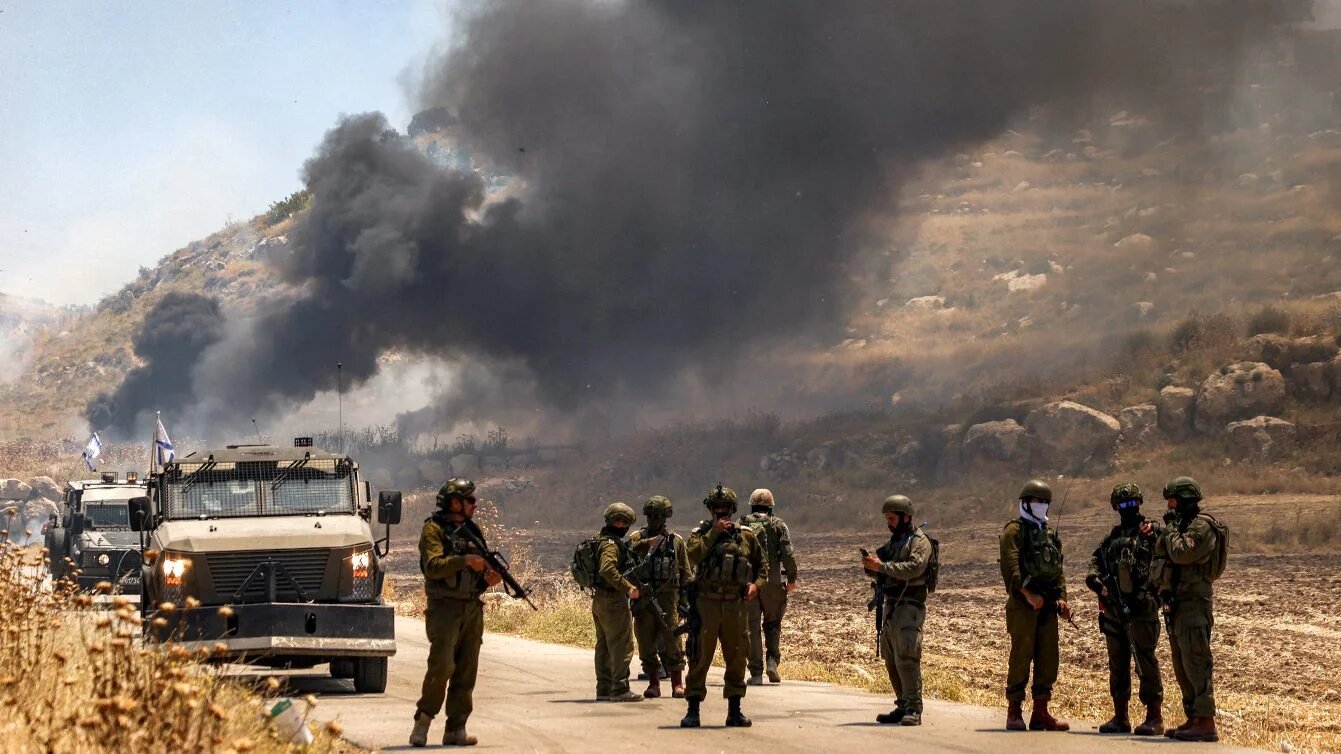
The Israeli military issued evacuation orders for several towns and villages in the Jezzine district and Ansariyeh, according to reports. These orders often precede or accompany intensified military activity, forcing residents to flee their homes. The Israel Defense Forces (IDF) stated that it struck approximately 150 Hezbollah military infrastructure sites in southern Lebanon over the weekend. This substantial number of strikes notes the extent of the IDF's operations aimed at degrading Hezbollah's capabilities in the area. Meanwhile, Hezbollah reported that its fighters confronted an Israeli Hermes 450 drone over the town of Sharqiyeh in southern Lebanon, forcing it to retreat from the area. This confrontation indicates the active engagement between the two sides, with Hezbollah attempting to counter Israeli aerial surveillance and strike capabilities. The direct engagement with an Israeli drone over Sharqiyeh shows the volatile nature of the conflict and the constant aerial presence in the region.
Broader Conflict Context
Lebanon's Public Health Emergency Operations Center reported that the cumulative number of casualties from Israeli attacks since March 2 had increased. The center stated that 3,593 people have been killed and 10,990 injured during this period. These figures reflect the ongoing impact of hostilities in southern Lebanon, painting a stark picture of the human cost of the conflict. The cumulative statistics provided by the Public Health Emergency Operations Center offer a broader perspective on the sustained violence, demonstrating the long-term consequences for the civilian population. The Israeli military has intensified its operations in the region, a move that has been met with continued resistance from Hezbollah. While the IDF focuses on military infrastructure, the widespread nature of the strikes often results in civilian casualties and displacement. Hezbollah, in turn, has continued to engage Israeli forces, responding to attacks and maintaining its presence along the border. The sustained conflict has led to significant displacement and damage to infrastructure in border areas, disrupting daily life and creating a humanitarian crisis. Local authorities and international organizations have repeatedly called for de-escalation to prevent further loss of life and humanitarian crisis, emphasizing the urgent need for a cessation of hostilities and a return to stability in the region.
International Condemnation
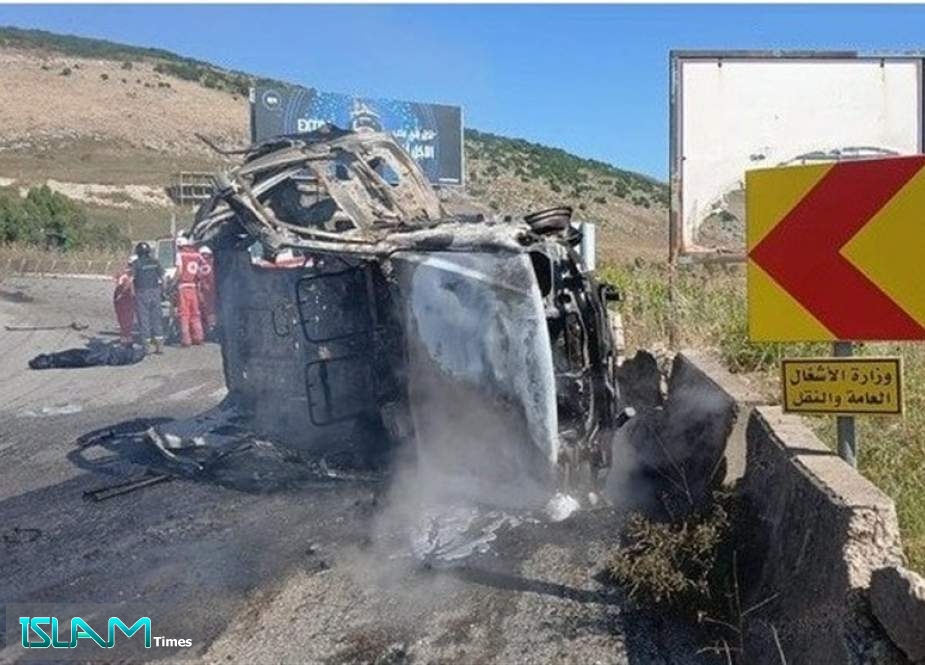
Tragically, three Lebanese army personnel were killed while on patrol in a vehicle on the Khardali-Kfar Tebnit road in the Nabatieh area. This incident involving military personnel shows the dangers faced by all armed forces operating in the volatile border zone. Separately, another individual was killed on the Deir al-Zahrani highway, indicating that the attacks were not confined to specific towns but affected critical transportation routes as well. In the town of Jouaiya, one person also died, further contributing to the day's fatalities. Assistant nurse Ali Samadi was identified as the individual killed on a motorcycle in Abbassiyeh, an incident previously reported. The identification of Ali Samadi notes the personal tragedies behind the casualty figures, bringing a human face to the conflict. These fatalities contribute to the rising casualty toll in southern Lebanon, prompting renewed calls for an end to the violence from various international bodies and humanitarian groups.