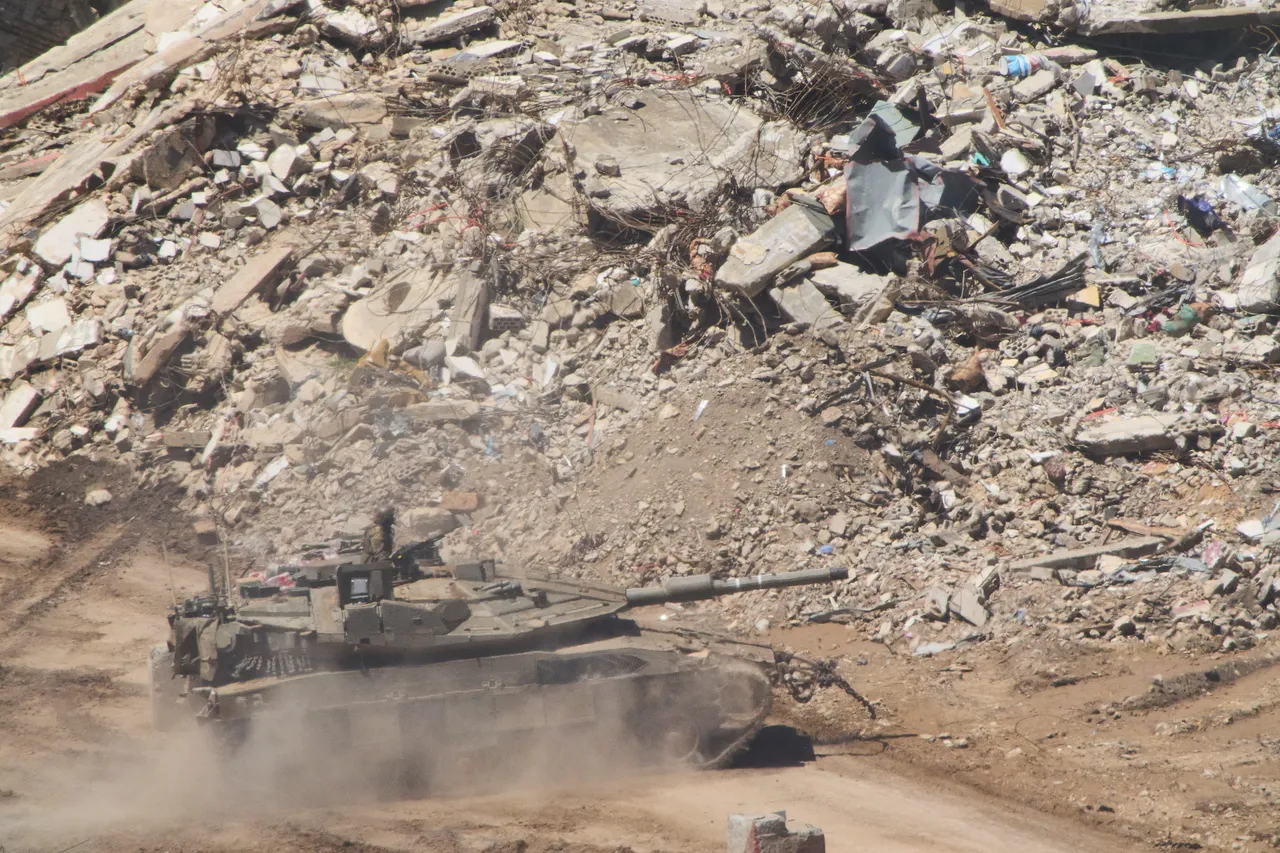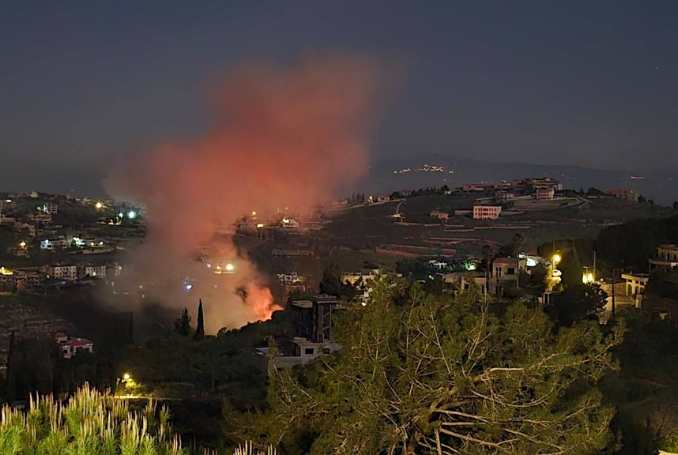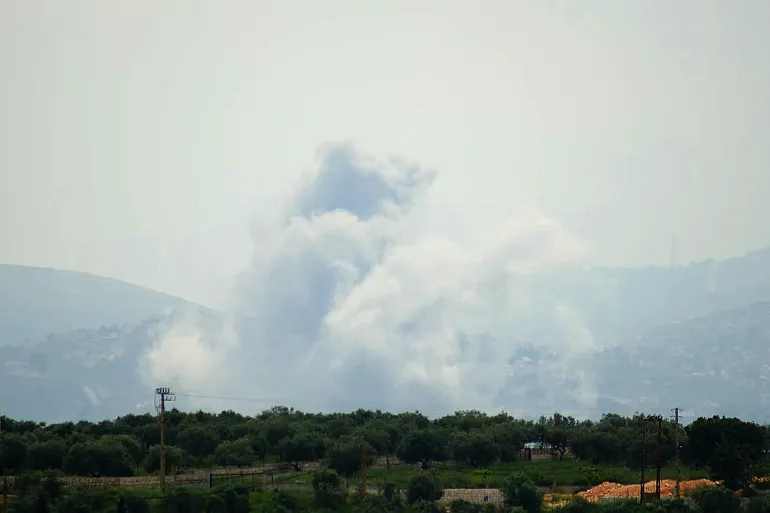
Israeli attacks in southern Lebanon killed at least five people, including a journalist and two individuals in a car in at-Tiri, and two others in Yohmor al-Shaqif, with reports also indicating a woman was killed and several children injured. In total, 40 people have been killed in Israeli air strikes during the current truce, with civilians reportedly forming the majority of victims over the past 24 hours. Officials said Israel is increasingly deploying a military “campaign of erasure” in southern Lebanon, mirroring tactics used in Gaza. Israel previously issued forced evacuation orders to 20 villages, and on Thursday, the Israeli military warned residents of eight Lebanese towns outside its designated “buffer zone” to leave their homes immediately before anticipated strikes. These latest attacks occurred on the eve of planned talks in Washington between Lebanese and Israeli ambassadors, showing the volatile situation despite diplomatic efforts.
Deadly Strikes and Civilian Toll
Activists and observers claim Israeli troops have been systematically destroying civilian homes, infrastructure, and water networks, aiming to make southern Lebanon unliveable. Human rights activists have called this destruction a war crime. Tens of thousands of people in villages along the southern border have been affected by these Israeli strikes, facing displacement and severe disruption to their daily lives. On Friday, an Israeli airstrike killed 11-year-old Jawad Younes and other family members shortly after he returned to a soccer game. His younger brother, Mehdi, had been handed off to their mother before the strike, narrowly escaping the same fate; Jawad Younes' funeral procession later took place in Saksakiyeh village, a somber testament to the human cost of the conflict. Zeinab Faraj was brought to a local hospital, reportedly in "very serious condition," and will require surgery, noting the severe injuries sustained by victims. Reports from NNA indicated that an Israeli strike targeted the main road linking the town with Haddatha "to prevent ambulance teams from reaching the two journalists," suggesting a deliberate attempt to impede humanitarian response. Lebanon’s Ministry of Health had earlier stated Israel "pursued" the journalists by "targeting" the building where they took shelter. Israel has often struck alleged Hezbollah militants or officials in their homes without warning, according to reports. These strikes frequently occur in parts of Lebanon far from the front line, often targeting individuals with their families in apartment buildings surrounded by uninvolved neighbors, raising concerns about civilian casualties and collateral damage.
The impact on the civilian population extends beyond direct casualties. The destruction of essential infrastructure, such as water networks, further exacerbates the humanitarian crisis in already vulnerable communities. The repeated warnings for residents to evacuate their homes, often with little notice, have created a climate of fear and uncertainty, forcing many to abandon their livelihoods and seek refuge elsewhere. This systematic pressure on civilian life is seen by some as part of a broader strategy to render southern Lebanon uninhabitable.
Escalation and Military Actions
The Israeli army reported on Friday that it had struck 40 Hezbollah sites across southern Lebanon during renewed air strikes over the past day, indicating a significant scale of military operations. Hezbollah stated it retaliated with several attacks against Israeli forces within Lebanese territory, signaling a continued cycle of aggression. Israel’s military also said it struck two vehicles in southern Lebanon after they departed from a military structure used by the Lebanese armed group Hezbollah, suggesting targeted operations against suspected militant assets. Hezbollah further indicated it attacked an Israeli artillery position in southern Lebanon with a drone, describing it as a response to an Israeli violation of the ceasefire, thereby justifying its actions as defensive.
The Israeli military also reported intercepting "a hostile aircraft" launched by Hezbollah toward Israeli soldiers in southern Lebanon, demonstrating ongoing aerial threats. Hostilities between Hezbollah and Israel reignited on March 2 following Israel's killing of Iran’s Supreme Leader Ali Khamenei, marking a significant escalation in the regional conflict. Israel has seized a belt of territory at the border where its troops remain. The Israeli army is currently occupying a zone that constitutes approximately 10 percent of Lebanon’s territory, a substantial encroachment that has drawn international condemnation. This occupation further complicates any prospects for a lasting peace and raises questions about territorial integrity.
Diplomatic Crossroads and Ceasefire
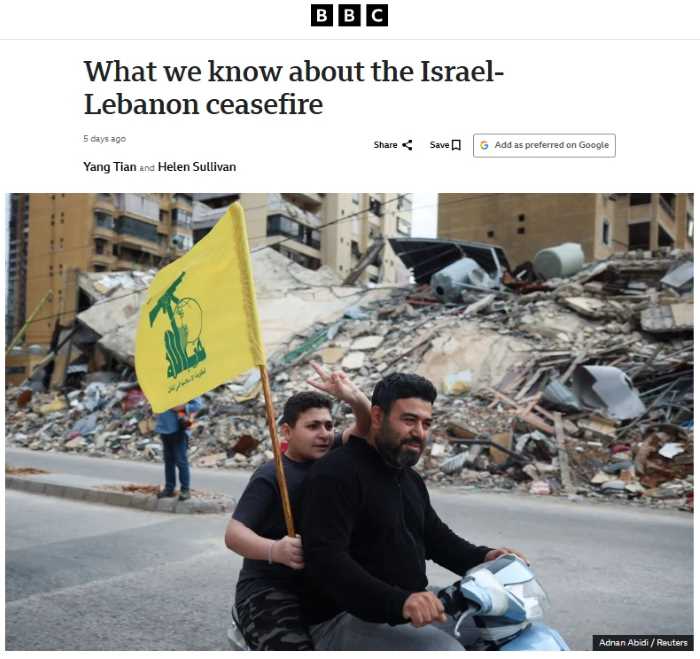
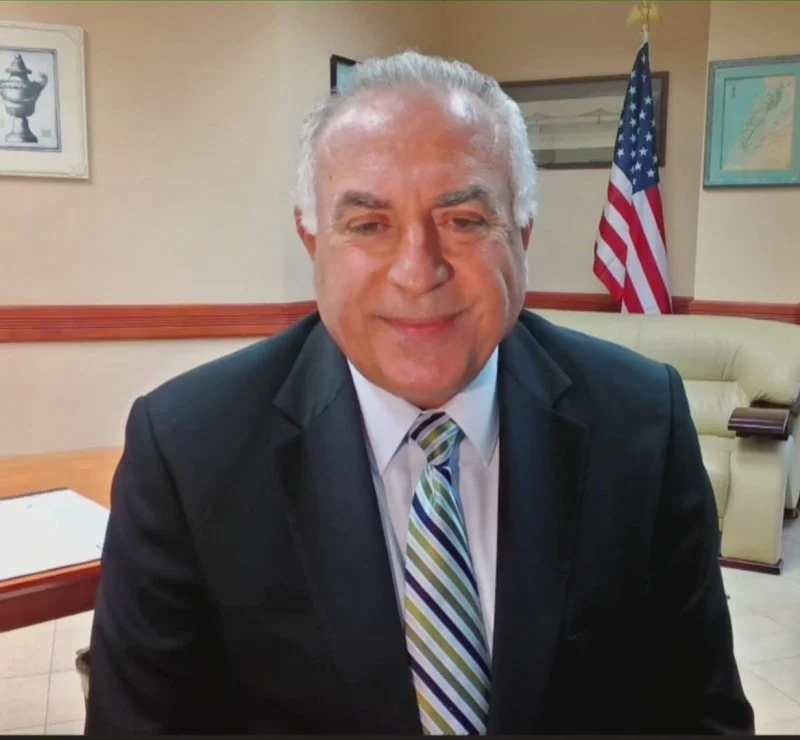
The US embassy in Beirut stated on Thursday that Lebanon is "at a crossroads," asserting that its people have an opportunity to reclaim their country through peace talks with Israel. This declaration shows the critical juncture at which Lebanon finds itself, with significant decisions looming regarding its future and stability. Lebanese President Joseph Aoun indicated Beirut would seek an extension of the ten-day, United States-mediated ceasefire, which is scheduled to expire on Sunday, noting the urgent need for de-escalation. This US-brokered ceasefire in Lebanon developed separately from Washington’s efforts to resolve its broader conflict with Tehran, although Iran had previously called for Lebanon to be included in the agreement, reflecting the complex, interconnected nature of regional diplomacy. Reports suggest that Lebanon’s President Joseph Aoun and Lebanon’s speaker Nabih Berri are divided on the approach to negotiations aimed at ending the war with Israel, indicating internal political challenges in formulating a unified national strategy. Such divisions could hinder effective engagement in peace talks and prolong the conflict.
More than 2,400 people have been killed in Lebanon since Israel launched its offensive and subsequent invasion of southern Lebanon, according to reports, painting a grim picture of the conflict's human toll. Additionally, Israel's war on Lebanon has displaced over one million people, creating a massive humanitarian crisis and straining resources within the country. French President Emmanuel Macron announced that a second French soldier died following an attack on United Nations peacekeepers in Lebanon last week, an incident he attributed to Hezbollah. The soldier, Chief Corporal Anicet Girardin, was severely wounded on April 18 and succumbed to his injuries after being evacuated to France on Tuesday. The UN Interim Force in Lebanon (UNIFIL) said initial assessments indicated that the fire originated from non-state actors, allegedly Hezbollah, though the Iran-aligned group denied involvement in a statement. This attack on peacekeepers notes the dangers faced by international forces attempting to maintain stability in the volatile region, further complicating efforts to de-escalate the conflict.