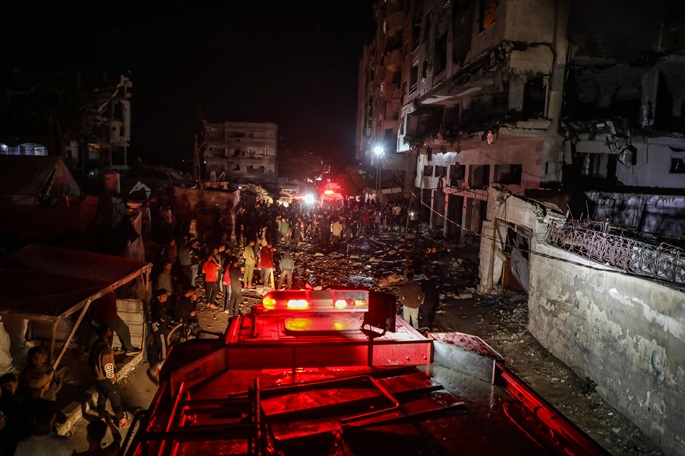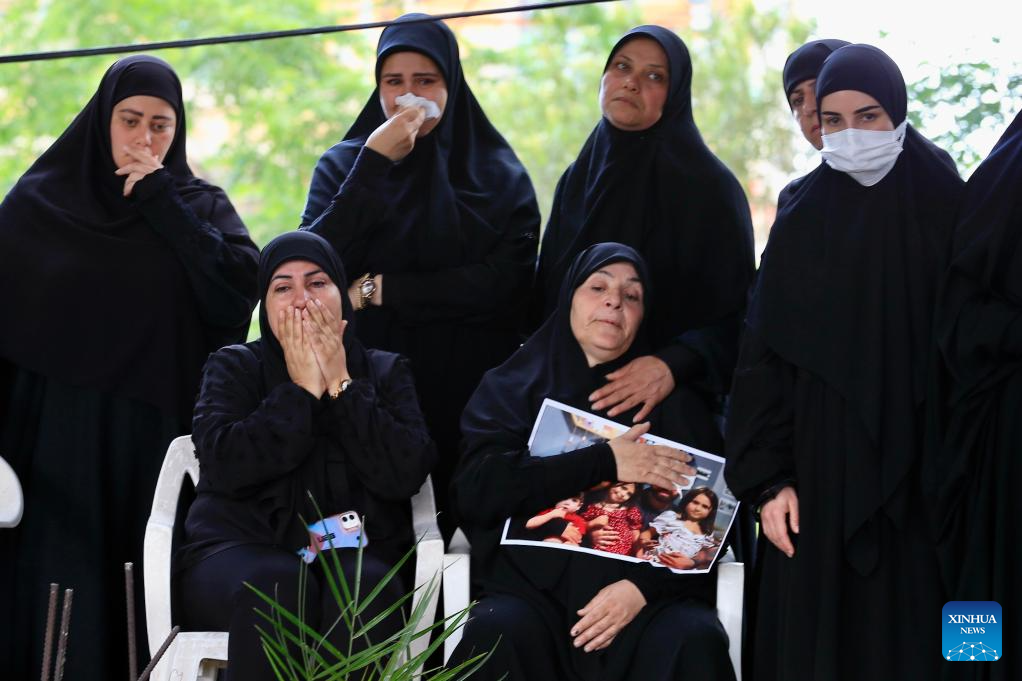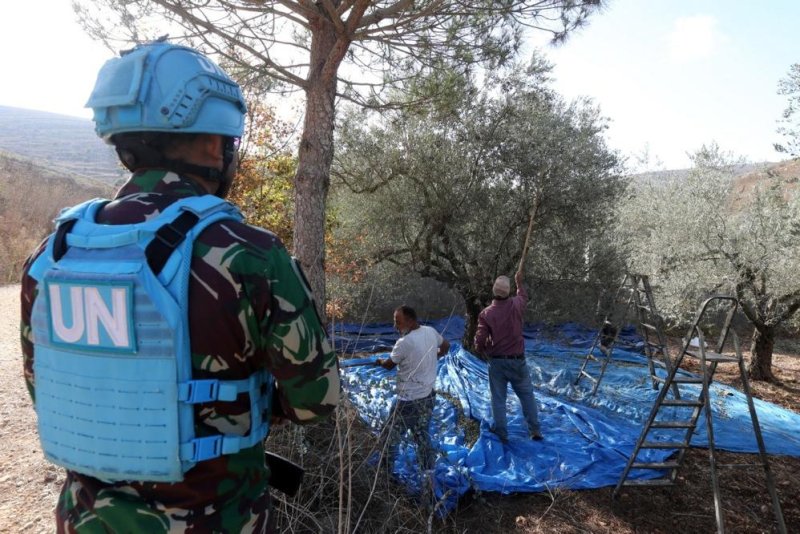
Israeli attacks across southern Lebanon have severely damaged vast areas of farmland, displacing most of the region's farmers and threatening the country's food security, economic resilience, and cultural identity. Lebanon's agriculture sector is a victim of these widespread attacks across southern Lebanon. The agriculture sector in Lebanon is suffering significant impacts as a result of these widespread attacks, which have damaged vast areas of farmland, displaced the majority of the region's farmers, and consequently threatened the country's food security, economic resilience, and cultural identity. The sustained military actions have created a critical situation for local communities, many of whom rely on farming for their livelihoods. Damage to agricultural lands undermines Lebanon's capacity to produce its own food, potentially increasing its dependence on imports. The displacement of farmers further exacerbates these challenges, leaving fields untended and disrupting traditional farming practices that are integral to the nation's heritage. This situation poses a serious risk to the long-term viability of the agricultural industry in southern Lebanon, a region historically rich in agricultural output.
Widespread Land and Crop Destruction
Lebanon's agriculture sector was hit by resumed hostilities in March, occurring before it had fully recovered from the impacts of the 2023-2024 war between Hezbollah and Israel. The sector had not yet recovered from the impacts of the 2023-2024 war between Hezbollah and Israel when it was again hit by resumed hostilities in March, exacerbating pre-existing vulnerabilities. The recent escalation has caused significant damage to agricultural areas. An estimated 22.5% of agricultural land, totaling 56,264 hectares, has been affected. This damage includes both open farms and protective greenhouses, which are key for specialized crop cultivation. The extensive destruction of these agricultural assets represents a substantial blow to the nation's farming capacity and future food production.
Southern Lebanon, a primary agricultural region, faces particular challenges due to its specialized crop production. The area is responsible for cultivating 70% of the country's citrus fruits. Additionally, it produces 90% of Lebanon's bananas. The destruction of these key agricultural zones directly impacts the national supply of these fruit types, potentially leading to increased reliance on imports. The most affected crops in the south are bananas, experiencing 95% damage, and citrus trees, which have sustained 97% damage. Olives are also heavily affected, with 91% damage, impacting a key agricultural product and a significant part of the region's traditional economy. Small-scale farming, which constitutes 80% of Lebanon's total agricultural area, has also been significantly affected by the widespread destruction. This broad impact on various crop types shows the full nature of the agricultural devastation. The ongoing damage further complicates recovery efforts for farmers in the region, many of whom have lost their primary source of income and livelihood.
Farmer Displacement and Economic Ruin
Farmers were forced to leave their land and homes in early March following Israeli evacuation orders. This displacement has affected a significant portion of the agricultural workforce in southern Lebanon. Nearly 80% of farmers, representing more than 6,593 individuals, have been displaced and are unable to access their land due to ongoing Israeli military activities. This mass exodus of farmers not only leaves vast agricultural lands untended but also disrupts the entire agricultural production cycle, from planting to harvesting. The inability of farmers to return to their fields means that crops are left to rot, and essential maintenance, such as irrigation and pest control, is neglected, leading to further losses and long-term damage to the land itself.
The widespread disruption has led to a sharp increase in financial losses for the agricultural sector. Agricultural losses have doubled to approximately $1.5 billion since the March 2 escalation. This substantial increase notes the rapid and severe economic impact of the renewed hostilities on the farming community. This figure contributes to a broader economic impact, with the estimated total war damage across various sectors now exceeding $20 billion. The conflict has also affected supply chains, leading to increased operational costs for businesses across the country. Transport costs, for instance, increased by 21% in the first quarter of 2026, adding further pressure on the already struggling economy and making the movement of goods more expensive for both producers and consumers. The cumulative effect of these economic pressures is placing immense strain on Lebanon's overall financial stability and its capacity for recovery.
Food Security and National Impact
A significant portion of Lebanon's population requires immediate assistance, with 24% of people living in the country needing support. The ongoing agricultural devastation exacerbates concerns about national food security. Projections indicated that 1.24 million people were expected to face food insecurity between April and August 2026. This assessment followed a period of acute food insecurity that affected an estimated 874,000 individuals between November 2025 and March 2026. The disruption to food production and supply chains has contributed to rising costs for consumers. Food prices in Lebanon increased by 8.4% during the first quarter of 2026, further straining household budgets and impacting access to essential goods. The combined effects of agricultural damage and economic pressure are creating a challenging environment for food access and stability across the nation, pushing more families into precarious situations regarding their daily sustenance. The long-term implications for food sovereignty are also a significant concern, as the country's reliance on external food sources grows.
Accusations and International Concerns
Lebanon and international rights groups accused Israel of unlawfully using white phosphorus and the herbicide glyphosate during its attacks on southern Lebanon. The agricultural impacts of these attacks are extensive, with specific crop types experiencing severe damage. Bananas have sustained 95% damage, while citrus trees have seen 97% damage. Olives are also heavily affected, with 91% damage, impacting a key agricultural product and a staple of the Mediterranean diet. Small-scale farming, which constitutes 80% of Lebanon's total agricultural area, has also been significantly affected, impacting the livelihoods of countless smallholder farmers. Beyond crops, the damage extends to livestock and aquaculture, critical components of the rural economy. Reports indicate the loss of more than 1.8 million heads of livestock, including cows, goats, sheep, and poultry, which represents a massive blow to the animal husbandry sector. Additionally, 29,121 beehives have been destroyed, severely impacting honey production and agricultural pollination, and 2,030 tons of fish have been lost, further compounding the losses for the agricultural sector and disrupting aquatic ecosystems. These widespread damages across various agricultural sub-sectors highlight the full nature of the devastation.