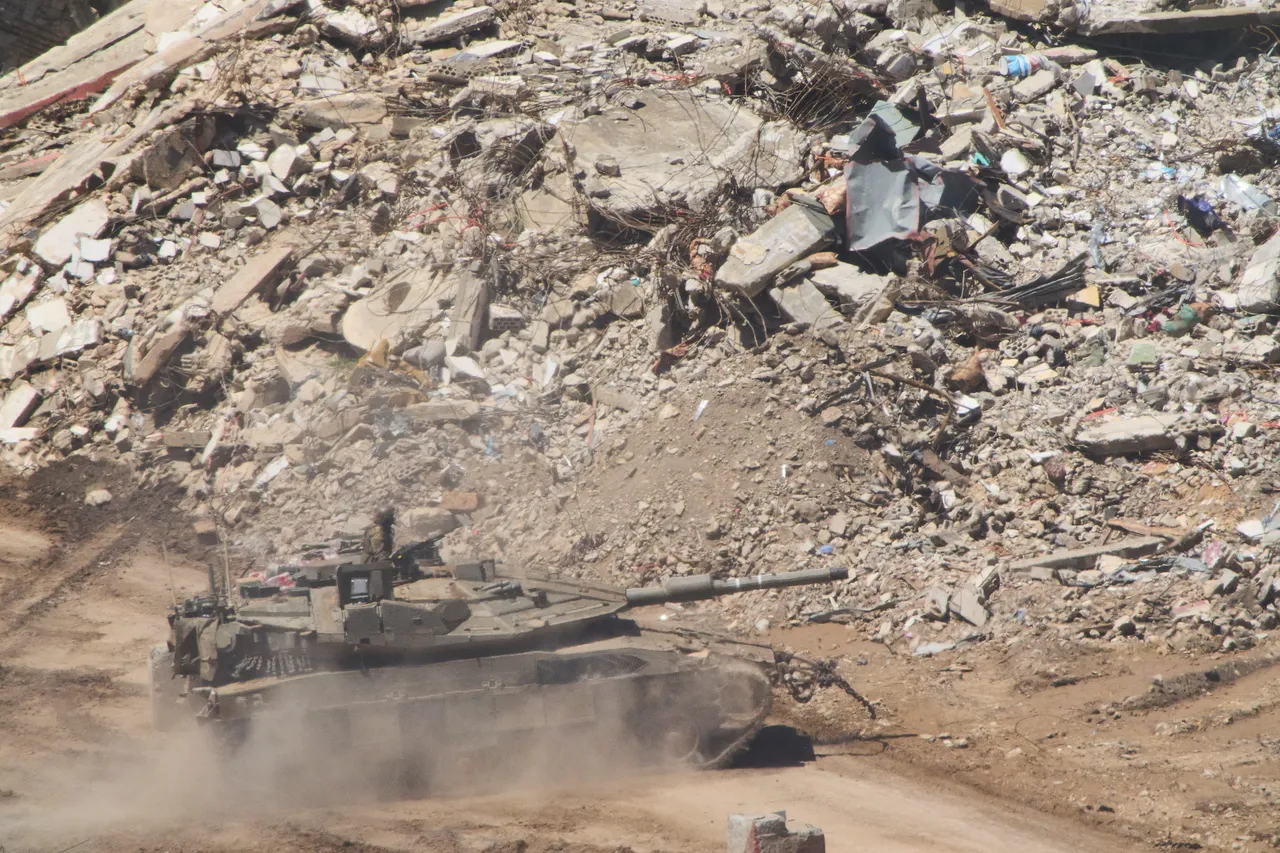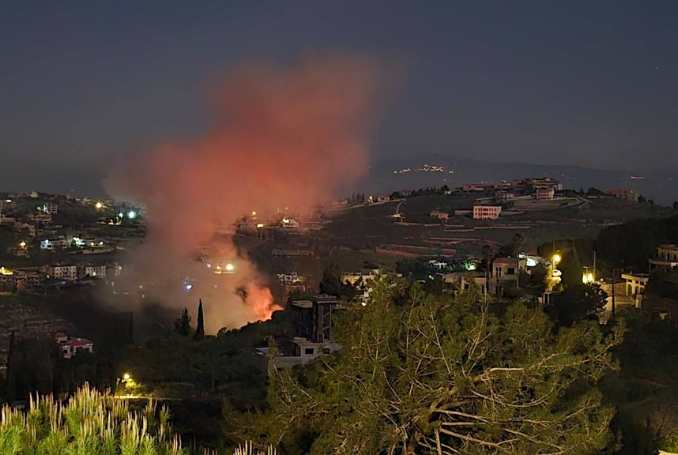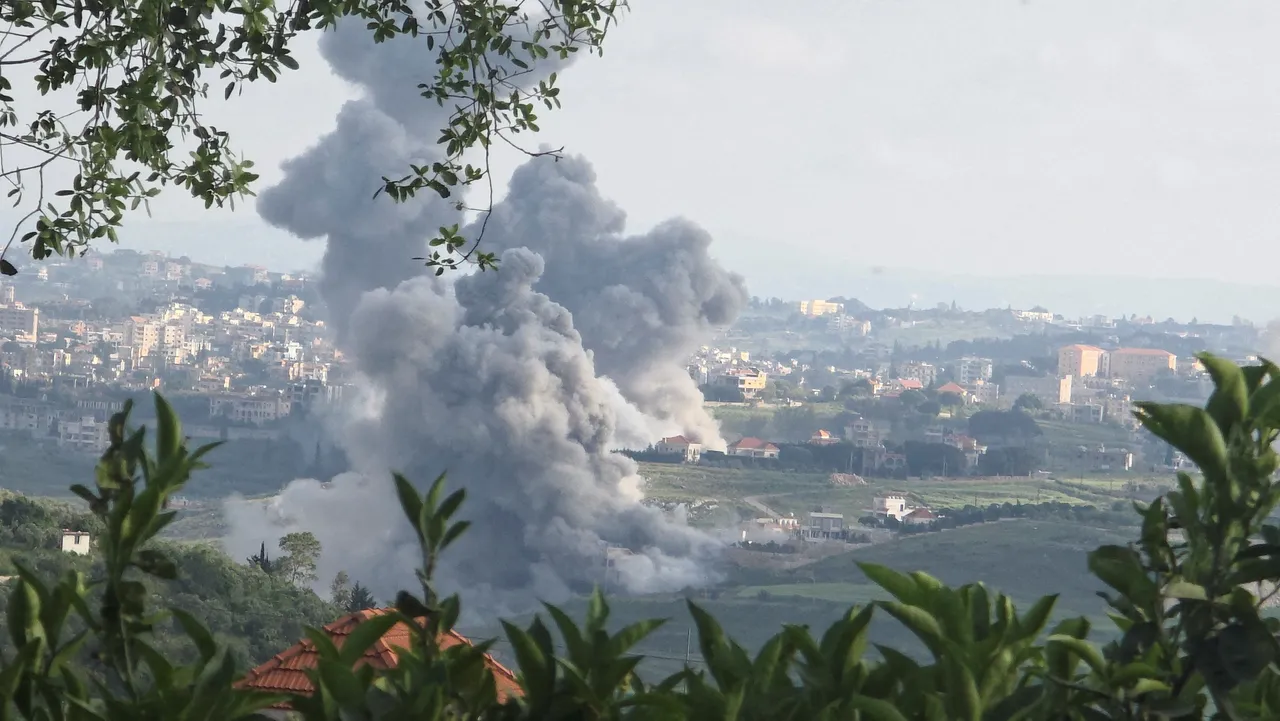
The Israeli army has demolished a monastery and a school operated by the Sisters of the Holy Saviour in Yaroun, a town in southern Lebanon. The demolition, which occurred in the southern Lebanese town of Yaroun, was reported by Lebanon's state National News Agency. The agency stated that the school "was considered one of the most prominent educational institutions in the region," noting its significant role in the community. The state National News Agency described its destruction as "a major loss at both the educational and social levels," showing the profound impact on the local populace. This act by the Israeli army has drawn strong condemnation and raises concerns about the targeting of civilian infrastructure in the ongoing conflict.
School's Significance and Impact
The school was considered one of the most prominent educational institutions in the Bint Jbeil district, according to Lebanon's state National News Agency. Its targeting represents a significant blow to the area's educational infrastructure. The state National News Agency stated the school "was considered one of the most prominent educational institutions in the region," noting its long-standing role and contribution to local development. The institution educated thousands of students over the years, drawing pupils from various towns across the Bint Jbeil district. This extensive reach meant the school served a wide demographic, providing essential education to a large number of young people from diverse backgrounds within the region. The demolition of such a central educational hub is expected to have lasting repercussions on the community's access to learning.
The destruction of the school is viewed as a substantial setback for the community. The state National News Agency described the demolition as "a major loss at both the educational and social levels." This assessment shows the broader impact on local families and the educational landscape beyond just the physical building. The school's extensive history of serving a wide student population from multiple towns in the Bint Jbeil district amplifies the disruption caused by its demolition. For generations, the school served as a cornerstone of intellectual and social development, making its loss particularly devastating for the residents of Yaroun and surrounding areas. The absence of this institution will undoubtedly create a void in the educational opportunities available to children and young adults in the Bint Jbeil district, potentially affecting their future prospects and the overall social fabric of the community.
Broader Conflict Context
Israel has waged an offensive in Lebanon since March 2, contributing to a broader regional conflict. This military campaign has led to widespread destruction and significant human cost across the country. The military campaign has resulted in significant casualties and widespread displacement within the country. More than 2,600 people have been killed in the offensive in Lebanon since its commencement. The violence has also led to a substantial humanitarian crisis, with over 1 million people displaced from their homes during the same period. The displacement of such a large population notes the severe impact of the conflict on civilian lives, forcing families to abandon their homes and seek safety elsewhere, often in precarious conditions. The ongoing hostilities continue to exacerbate an already dire humanitarian situation, placing immense strain on resources and aid efforts.
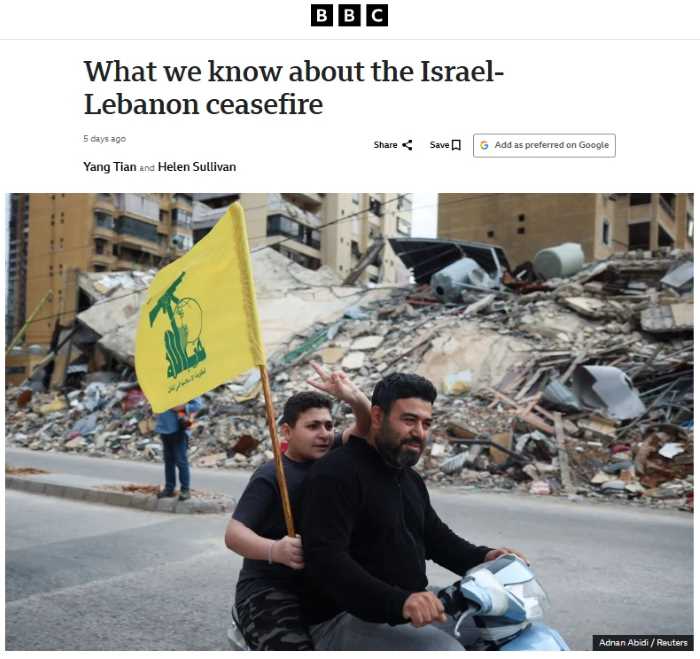
Efforts to de-escalate the conflict included a ceasefire agreement. A 10-day ceasefire began on April 17, providing a temporary halt to hostilities. That initial agreement was later extended. The ceasefire was subsequently prolonged until May 17, offering an extended period of reduced conflict. These agreements aimed to bring relief to the affected areas and allow for humanitarian access, though their effectiveness has been challenged by ongoing violations. The temporary nature of these ceasefires and the subsequent return to hostilities show the fragility of peace efforts in the region.
Ongoing Violations and Previous Truces
Israel maintains a 'buffer zone' in southern Lebanon, an area it states is intended to prevent attacks from Hezbollah. This claim by Israel frames its military presence and actions within the zone as defensive measures against perceived threats. Despite previous agreements, Israel continues to violate the ceasefire daily, according to reports. These violations include consistent airstrikes and the demolition of homes within the region, actions that contradict the spirit and terms of any truce. An earlier truce was reached in November 2024, aiming to de-escalate tensions and halt hostilities between the parties. However, the ongoing actions by Israel suggest a pattern of non-adherence to these agreements. The continued military operations within the buffer zone and the destruction of civilian infrastructure, such as the monastery and school in Yaroun, highlight a persistent state of conflict. These continuous violations undermine efforts to establish lasting stability and peace, perpetuating a cycle of violence and destruction that profoundly impacts the lives of civilians in southern Lebanon. The demolition of educational and religious sites further complicates the path toward reconciliation and reconstruction in the war-torn region.