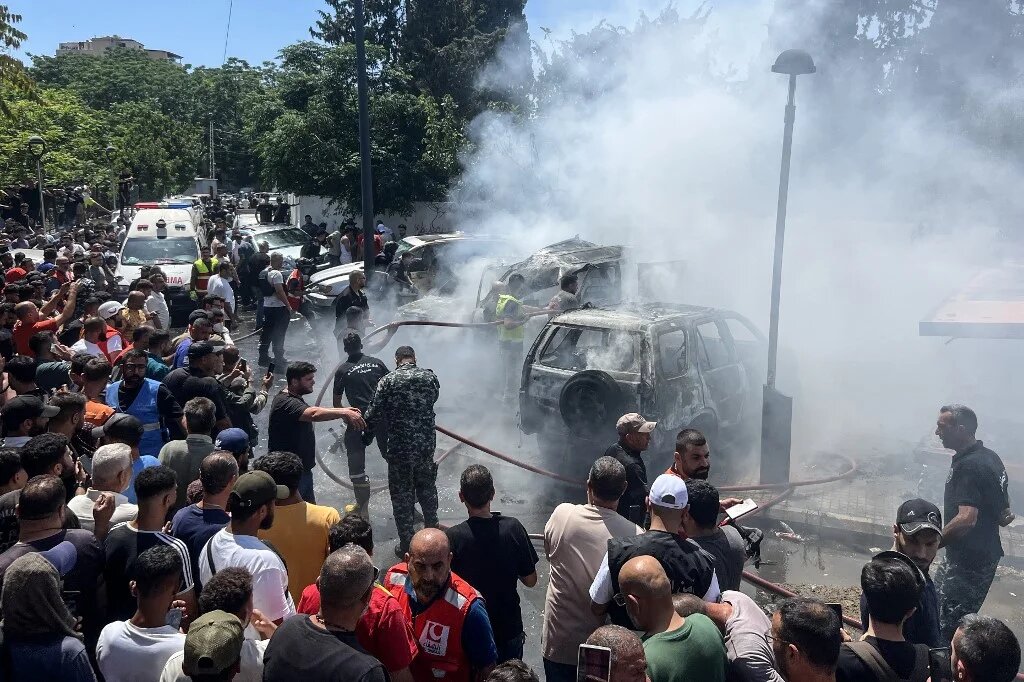
Israeli airstrikes killed at least 13 people in southern Lebanon on Wednesday, according to reports. These strikes mark a significant escalation in the ongoing conflict in the region. Nine individuals died in the village of Dayr Debba, located 8 km (5 miles) east of the city of Tyre, as a direct result of the Israeli airstrikes. The attacks in Dayr Debba show the human cost of the escalating tensions. Additionally, vehicles were seen ablaze in the southern city of Sidon following another Israeli airstrike, indicating the widespread nature of the attacks across southern Lebanon. The impact of these strikes was felt acutely, with emergency services responding to multiple sites. A Lebanese soldier also succumbed to wounds on Wednesday, having been injured during an Israeli airstrike in the south on March 17, noting the continued danger faced by military personnel in the area. The soldier's death brings further attention to the persistent nature of the hostilities.
Broader Conflict Escalation
Lebanon remains a major frontline in the war, which ignited more than three months ago following a U.S.-Israeli attack on Iran, according to reports. This initial attack set off a chain of events that has since seen the conflict escalate across the Middle East. The regional implications of the war are profound, drawing in multiple actors. Earlier this week, the Lebanon war saw heightened tensions when Israel struck Beirut's Hezbollah-controlled southern suburbs. This action, targeting a significant stronghold, prompted Iran to retaliate with a missile attack on Israel, demonstrating the immediate and severe responses between the involved parties. Israel, in turn, struck Iran, further escalating the cycle of aggression before both nations halted further attacks, signaling a temporary de-escalation after a period of intense exchanges. Hezbollah initially entered the war on March 2. The group stated its involvement was in retaliation for the killing of Iran's Supreme Leader at the onset of the broader conflict, thereby linking its actions directly to the wider regional struggle.
Humanitarian Toll in Lebanon
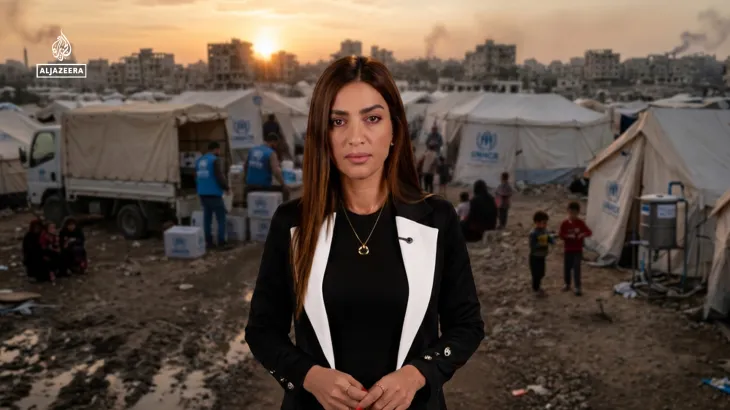
Israeli attacks in Lebanon have resulted in a devastating humanitarian toll, with almost 3,700 people killed since March 2. This grim figure includes a significant number of non-combatants. Among these fatalities, 730 individuals were identified as women, children, or medics, according to reports, showing the severe impact on civilian populations and essential service providers. The ongoing conflict has also led to the displacement of approximately 1.2 million people within Lebanon, exacerbating the humanitarian situation in the country and creating a large-scale internal displacement crisis. These displaced individuals often face dire conditions, lacking adequate shelter, food, and medical care, further straining Lebanon's resources and infrastructure. The scale of displacement points to the profound disruption caused by the sustained hostilities.
Casualties on Both Sides
Since March 2, 28 Israeli soldiers have been killed in combat in Lebanon, according to reports, indicating the intensity of the ground and cross-border engagements. These casualties reflect the dangerous environment faced by military personnel involved in the conflict. The ongoing conflict has also resulted in civilian casualties in Israel, demonstrating the reciprocal nature of the violence. Four civilians have been killed in Hezbollah attacks since the group entered the war on March 2, noting the impact of cross-border rocket and missile fire on Israeli communities. These civilian deaths contribute to the overall human cost of the protracted conflict, affecting populations on both sides of the border. The continuous exchange of fire maintains a high level of alert and fear among residents in the affected areas.