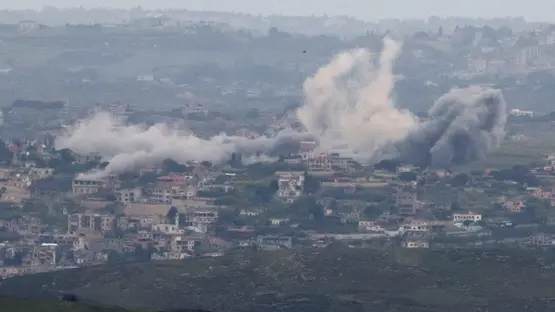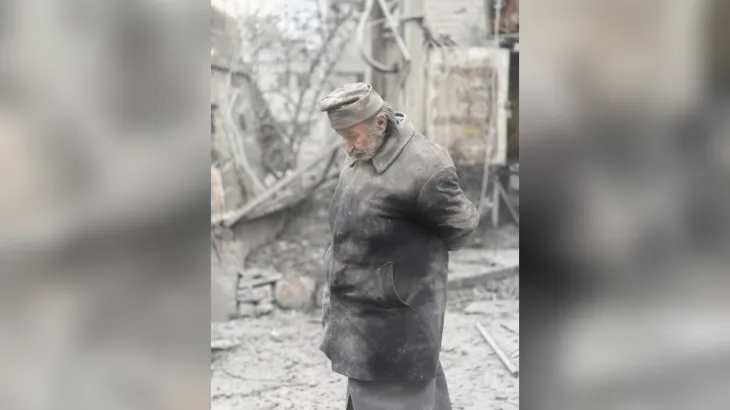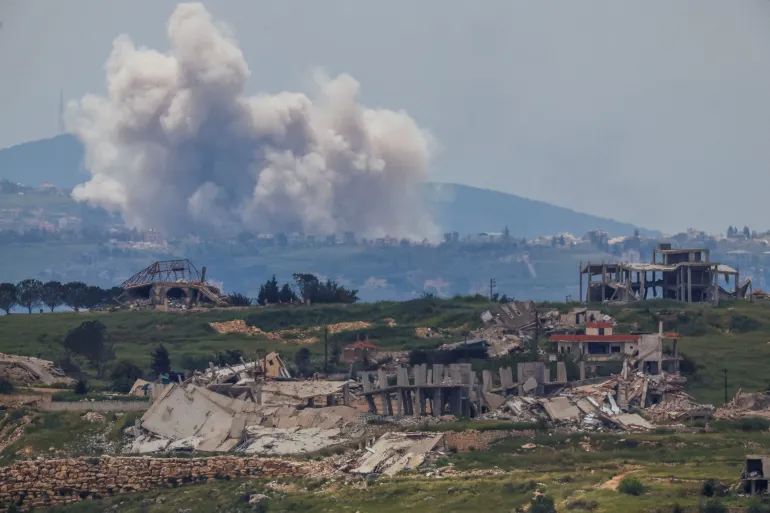
Israeli air attacks on southern and eastern Lebanon killed at least 13 people and wounded more than a dozen, targeting homes in the western Bekaa town, the village of Mayfadoun, Siksikiyah, and Khirbet Selm. These coordinated strikes, which targeted residential areas, resulted in significant loss of life and injuries among the civilian population. Among the dead were Ali Qassem Ahmad and three family members, noting the devastating impact on families. Specifically, two fatalities were reported in Mayfadoun, five in Siksikiyah, and two in Khirbet Selm, indicating the widespread nature of the attacks across different locations. These attacks, which also included an assault on southern Lebanon using fighter jets and drones, are considered a violation of a ceasefire brokered by the United States last month. The use of both fighter jets and drones in the assault shows the intensity and technological capacity of the Israeli military operations. Israel stated its actions were a response to a ceasefire violation by Hezbollah, attributing the renewed hostilities to the Lebanese armed group. The strikes resulted in 15 injuries in Siksikiyah and one in Khirbet Selm, adding to the human toll beyond the fatalities. The casualties and the targeting of multiple locations have raised serious concerns about the stability of the region and the effectiveness of the U.S.-brokered truce.
Hezbollah's Response and Israeli Claims
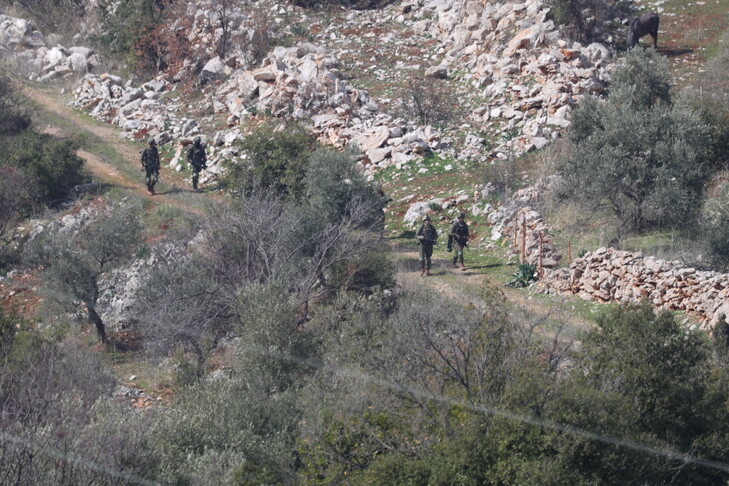
The Lebanese armed group Hezbollah announced it had engaged Israeli forces, claiming responsibility for an attack targeting a gathering of Israeli soldiers. This engagement was a direct response to the Israeli military actions. Hezbollah also responded to the Israeli attacks in several areas across southern Lebanon, indicating a widespread and coordinated counter-response. The group's actions signify a clear escalation following the Israeli strikes. Fighting between Israel and Hezbollah renewed on March 2, marking a significant deterioration in the security situation. According to reports, the Iran-backed group Hezbollah fired rockets at its southern neighbor following the launch of a war against Iran by the United States and Israel. This statement from Hezbollah frames their actions within a broader regional conflict context, suggesting a connection between their military operations and a wider geopolitical struggle involving Iran. The exchange of fire between the two sides has become a persistent feature of the conflict, contributing to the ongoing instability in the border regions. Both parties have accused the other of initiating hostilities, making it challenging to ascertain the precise sequence of events leading to each escalation.
Displacement and Escalation
Israel issued forced displacement orders for residents of 12 villages in southern Lebanon, instructing them to stay at least one kilometer away from their homes. These orders effectively rendered the villages uninhabitable for their residents, forcing them to abandon their properties and livelihoods. Most of the affected villages were located north of the Litani River, a significant geographical marker in the region. This directive has had a profound impact on the civilian population, leading to mass displacement and humanitarian challenges. According to reports, the Israeli military has continued to expand its operations in southern Lebanon, suggesting a sustained and growing military presence and activity in the area. The expansion of operations indicates a strategic intent to secure or control more territory, which further exacerbates the humanitarian crisis.
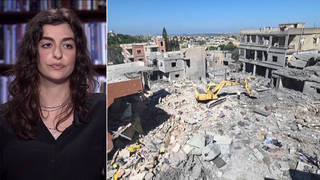
The latest displacement order marked the first time western parts of the Bekaa Valley were included since a truce came into effect on April 17. The inclusion of the Bekaa Valley, a region previously less affected by such orders, signals a geographical expansion of the conflict's impact. This development is particularly alarming as it suggests a widening scope of military operations beyond the immediate border areas. Reports also indicated that Israeli forces have destroyed entire villages in southern Lebanon, painting a grim picture of the conflict's destructive power. The destruction of villages not only displaces residents but also eliminates their homes, infrastructure, and historical ties to the land, making return and recovery incredibly difficult. The systematic destruction points to a deliberate strategy that deepens the humanitarian catastrophe. The ongoing cycle of attacks, responses, and displacement continues to destabilize the region, creating a dire situation for the civilian population caught in the crossfire.
Broader Conflict Context
Since March 2, Israeli attacks in Lebanon have resulted in the deaths of approximately 2,700 people and displaced more than 1.2 million individuals. These figures show the significant humanitarian impact of the ongoing hostilities, demonstrating the extensive loss of life and widespread disruption to civilian populations. The displacement has affected a large segment of the Lebanese population, forcing them to seek refuge away from their homes, particularly in southern regions, which have borne the brunt of the conflict. The continuous military actions have led to widespread destruction and a growing humanitarian crisis, with international organizations expressing concern over the escalating violence and its consequences for regional stability. The persistent exchanges of fire between Israeli forces and Hezbollah have contributed significantly to the high casualty and displacement tolls across the country. The sheer scale of displacement, affecting over a quarter of Lebanon's population, notes the profound and long-lasting societal impact of the conflict. The destruction of infrastructure, homes, and livelihoods further complicates any prospects for recovery and return, deepening the humanitarian emergency. The international community continues to monitor the situation closely, urging de-escalation and adherence to international humanitarian law to protect civilians.